
Amazon & Marketplaces ๐Ÿ•’ 3 min read • Reviewed: September 2026

Amazon Lifestyle Images: How to Show Products in Real-World Use

Lifestyle imagery helps customers imagine a product in use. It can communicate scale, environment, audience and mood in a single frame. For marketplace use, the exact requirements depend on the asset and current platform rules. The creative should therefore be developed with both customer communication and marketplace requirements in mind.

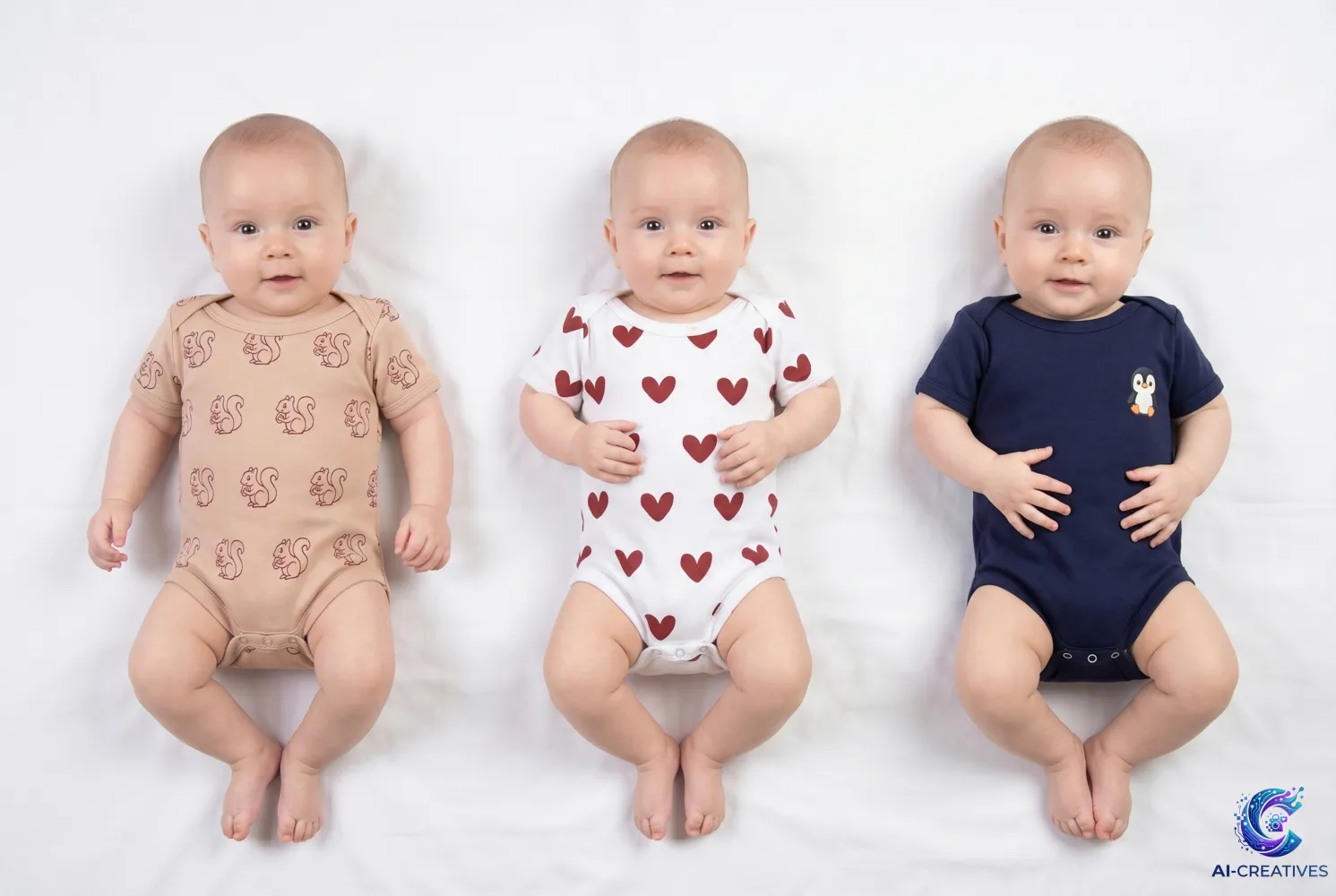
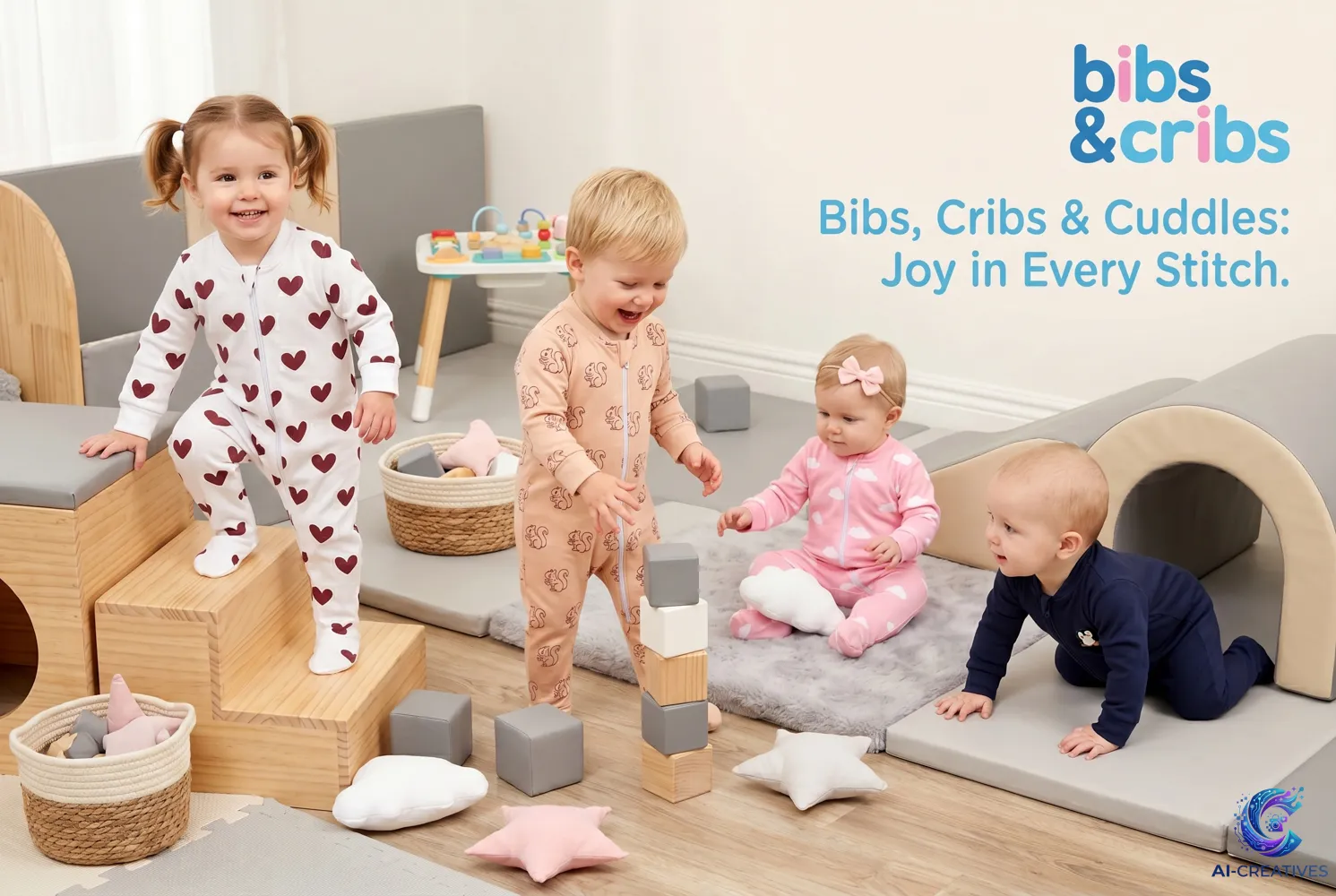
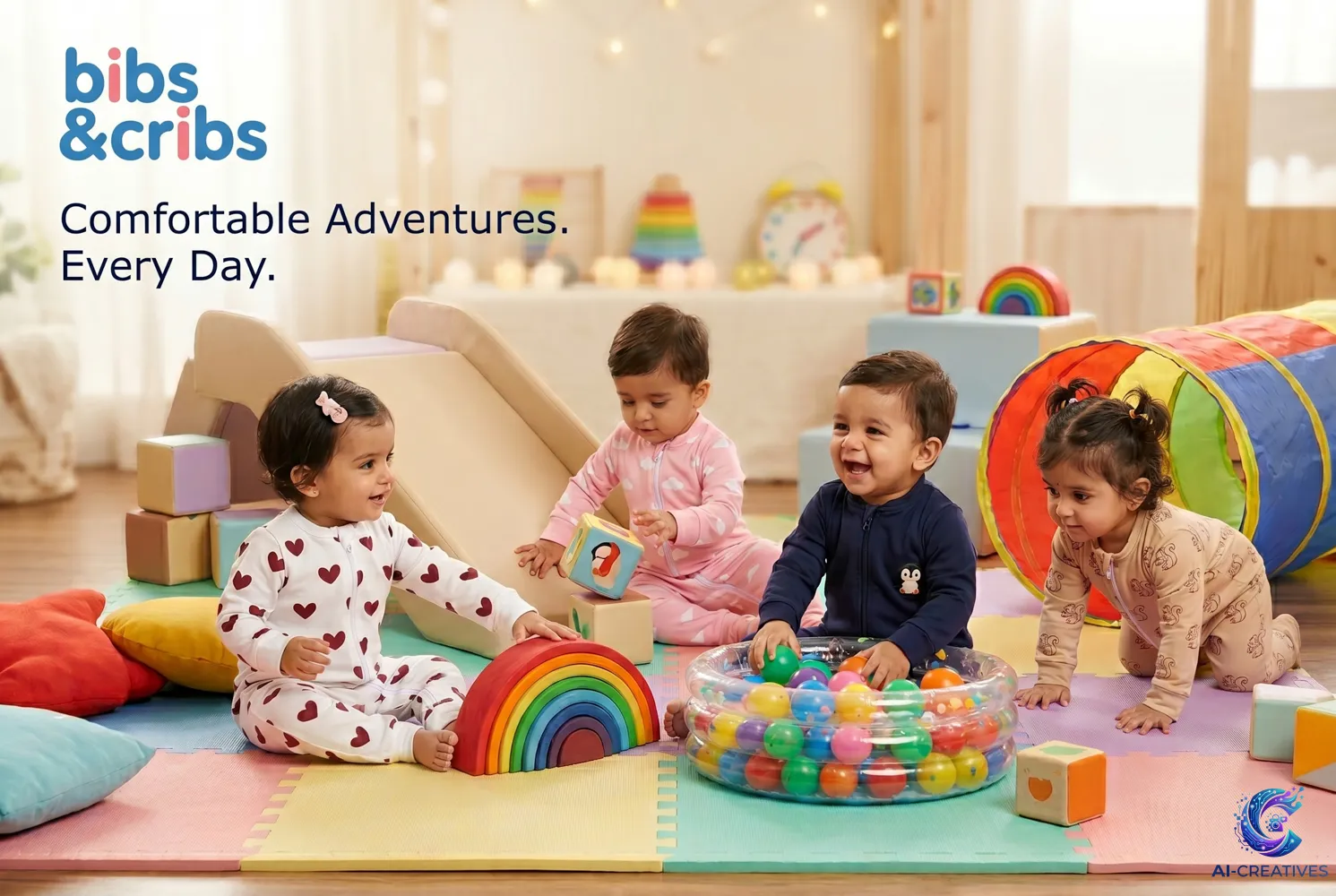
Visual sample: AI Advertising Banner - Infant Cotton Romper Ai-Creatives Production Lab

Lifestyle imagery helps customers imagine a product in use. It can communicate scale, environment, audience and mood in a single frame.

For marketplace use, the exact requirements depend on the asset and current platform rules. The creative should therefore be developed with both customer communication and marketplace requirements in mind.

Choose a Relevant Context

The environment should match the product's real use.

Show Scale

Use familiar objects or realistic environments to communicate size when helpful.

Demonstrate Use

Show genuine product functions without inventing capabilities.

Keep the Product Visible

Avoid props or compositions that hide important product features.

Lighting

Match the product lighting to the environment.

Human Use

Review hands, posture and interaction carefully.

Brand Tone

Keep lifestyle scenes aligned with the brand's visual identity.

Final Review

Check product accuracy and current marketplace requirements.

Practical checklist

Before publishing or using the information from this guide, a brand should confirm the product reference, intended platform, required image dimensions, brand guidelines, product claims and final quality-control process.

Studio Standard

Real Product Accuracy & Generative Context

Every commercial output produced at Ai-Creatives begins with physical texture fidelity, authentic proportions, and controlled lighting before being extended into lifestyle or marketplace environments.

Frequently Asked Questions

Is AI product photography the same as traditional photography? +

No. AI-assisted production can complement traditional photography by creating or modifying selected parts of a commercial image. Traditional photography remains useful when direct physical capture and exact product representation are important.

Can AI change a real product? +

It can, sometimes unintentionally. Important details such as packaging, labels, proportions, colors, materials and logos should therefore be checked against an approved product reference.

Should every e-commerce image use AI? +

No. AI is a production tool. Use it where it solves a genuine creative or production problem and use conventional photography or editing where those methods are more appropriate.

Can AI product images be used on marketplaces? +

Potentially, depending on the asset and marketplace rules. Always verify the current official requirements of the marketplace and the specific image/content type before publishing.

Does AI product photography guarantee better sales? +

No. Creative quality and business performance are separate questions. Test imagery where possible and evaluate actual engagement, conversion and campaign data.

Commercial Production Assistance

Scale Your Product Visuals with Ai-Creatives

Discuss your catalog requirements, Amazon creatives, or lifestyle campaign goals with our production team.

Get In Touch → WhatsApp Studio

Related Guides & Resources

AI Amazon Product Images: A Practical Guide for Sellers
Amazon & Marketplaces

AI Amazon Product Images: A Practical Guide for Sellers

Read guide →
Amazon Main Product Image Guide: Requirements & Best Practices
Amazon & Marketplaces

Amazon Main Product Image Guide: Requirements & Best Practices

Read guide →
Amazon A+ Images: How to Plan Better Product Visuals
Amazon & Marketplaces

Amazon A+ Images: How to Plan Better Product Visuals

Read guide →
Chat on WhatsApp
No chatbot, it's a Real Human on the other side