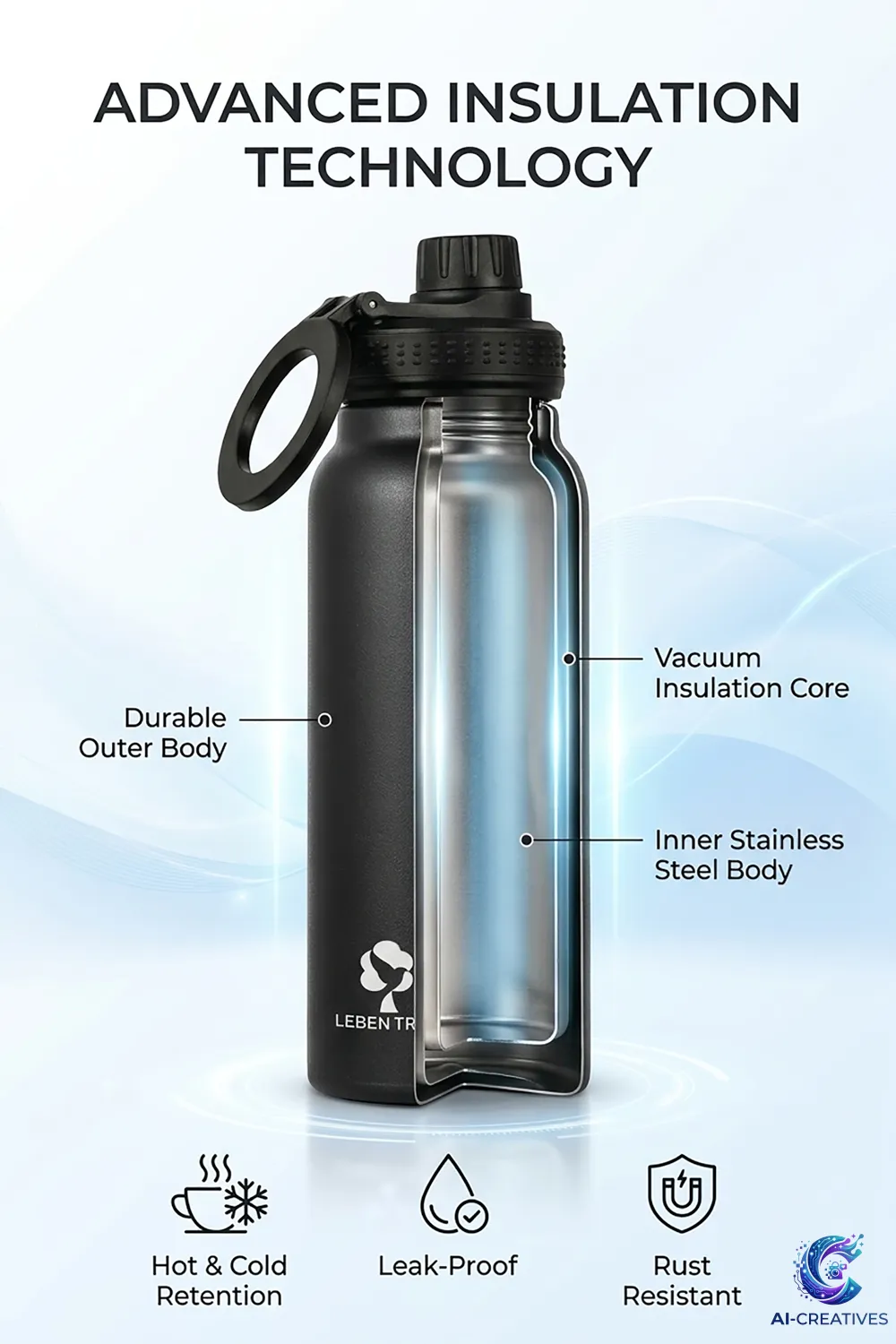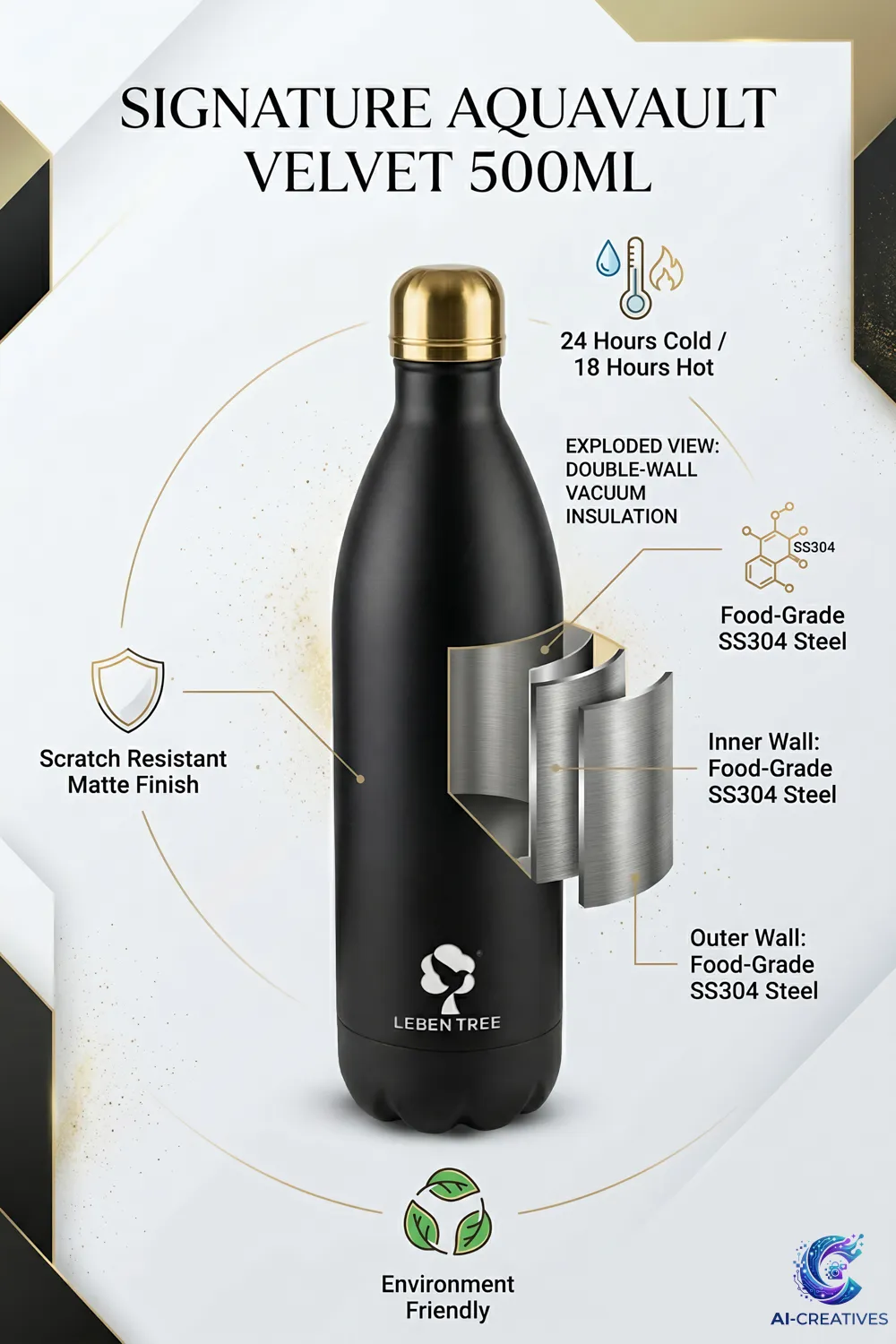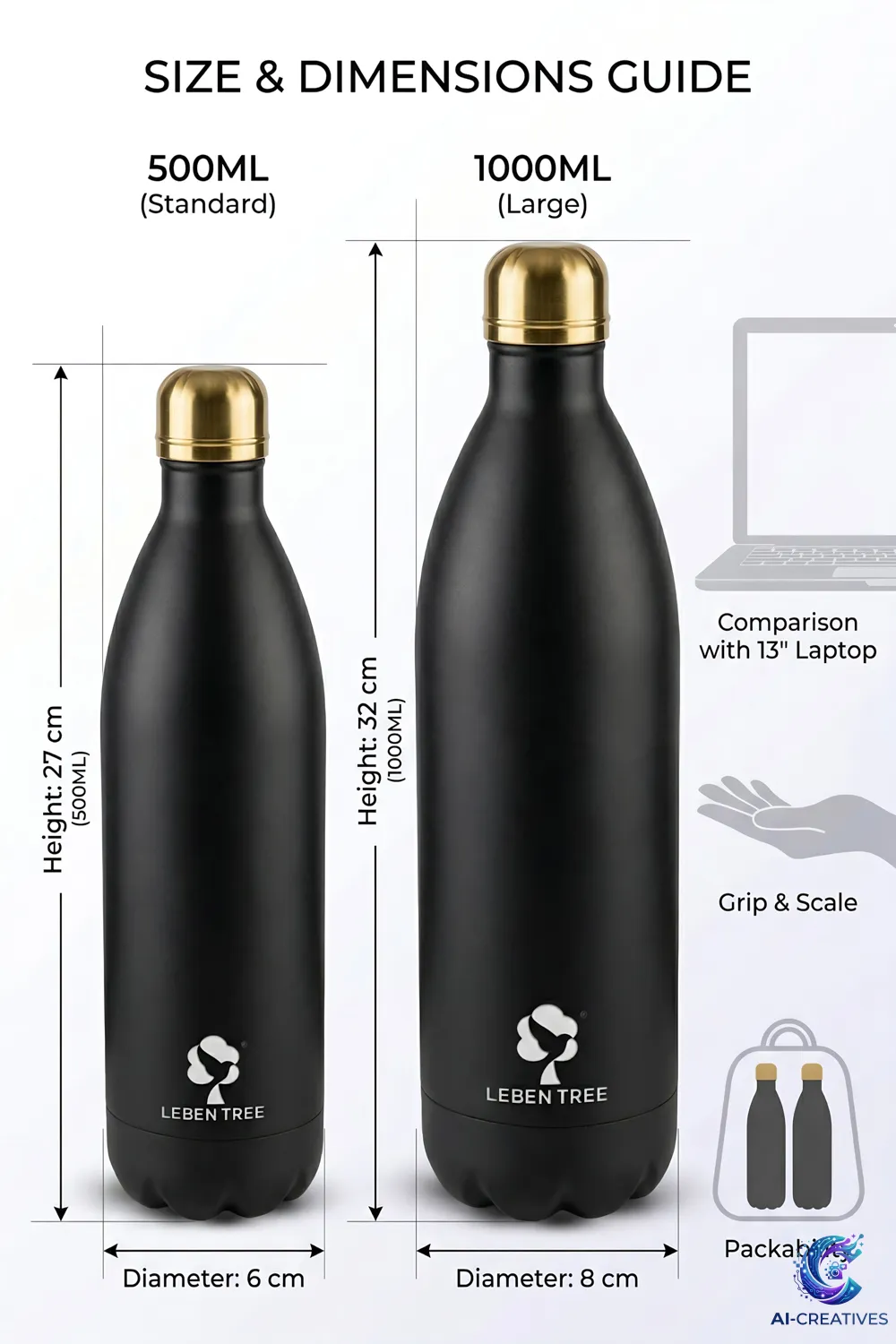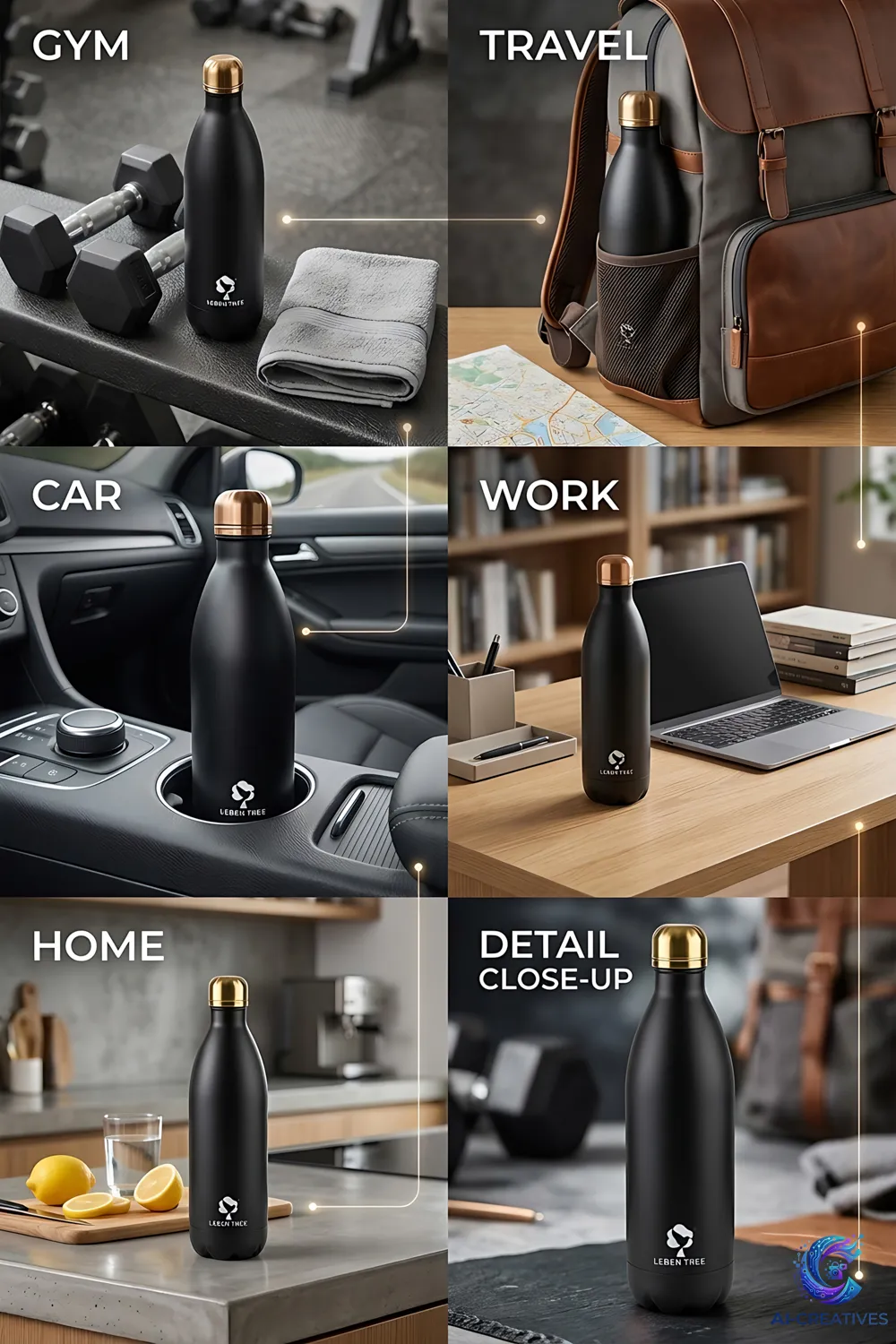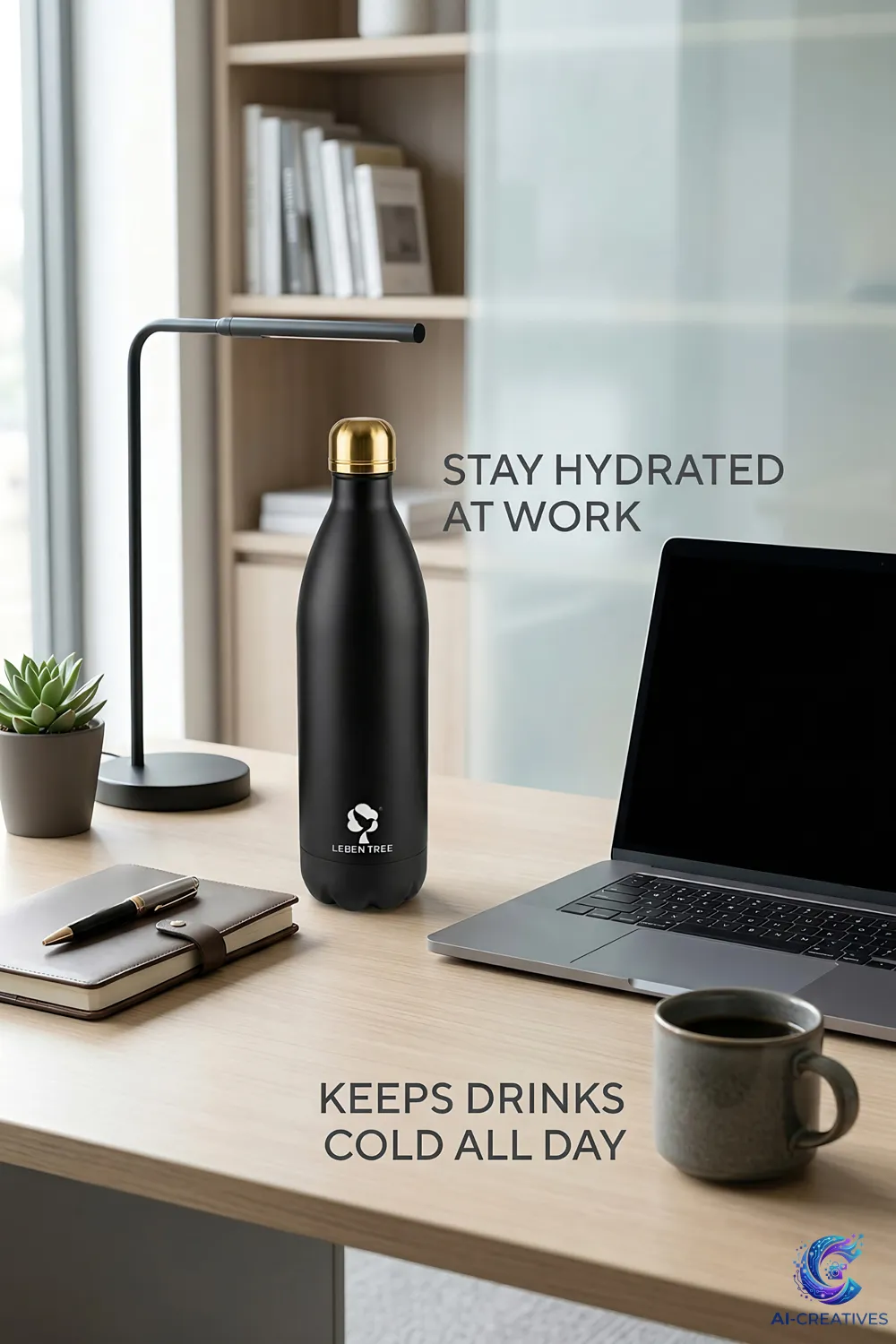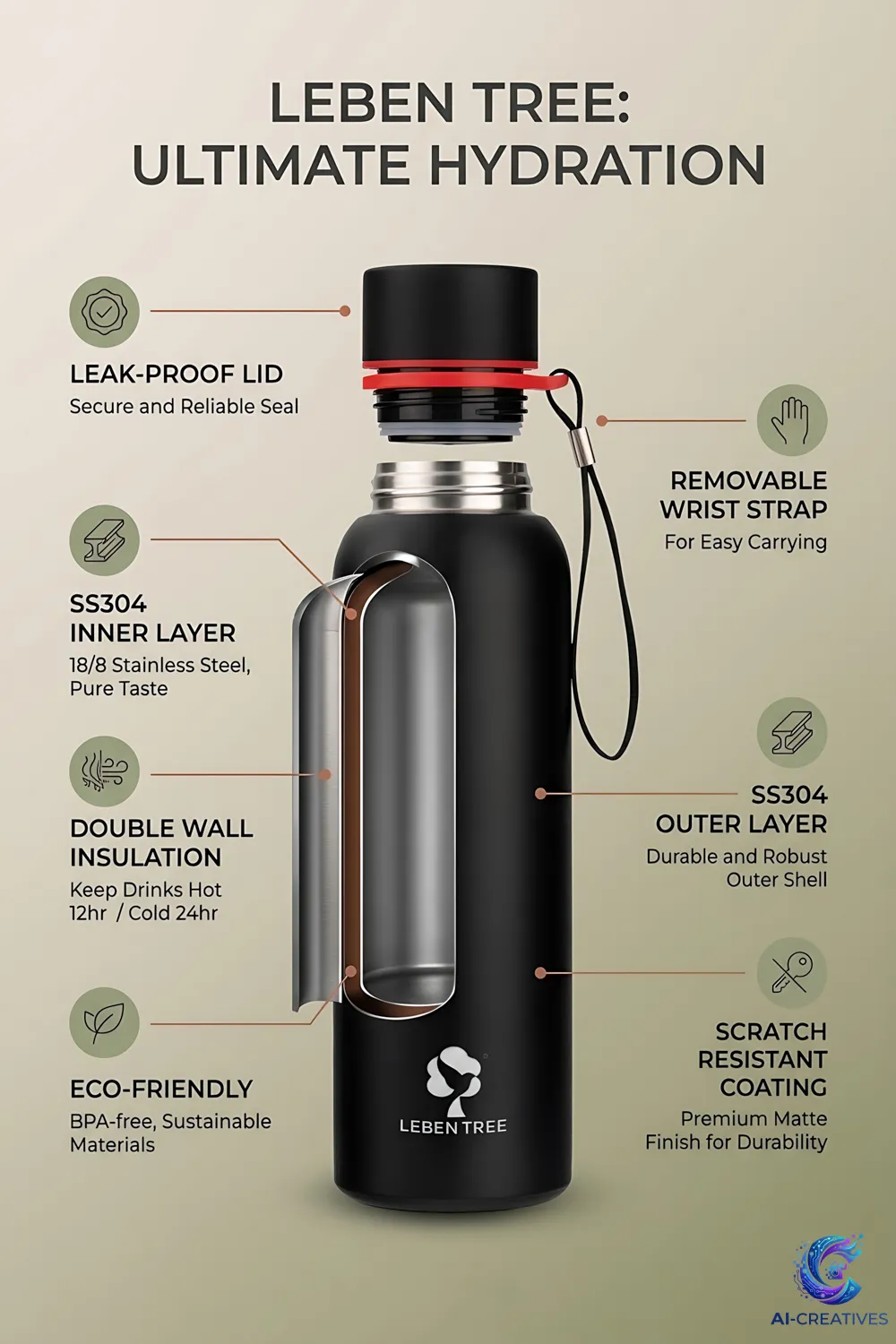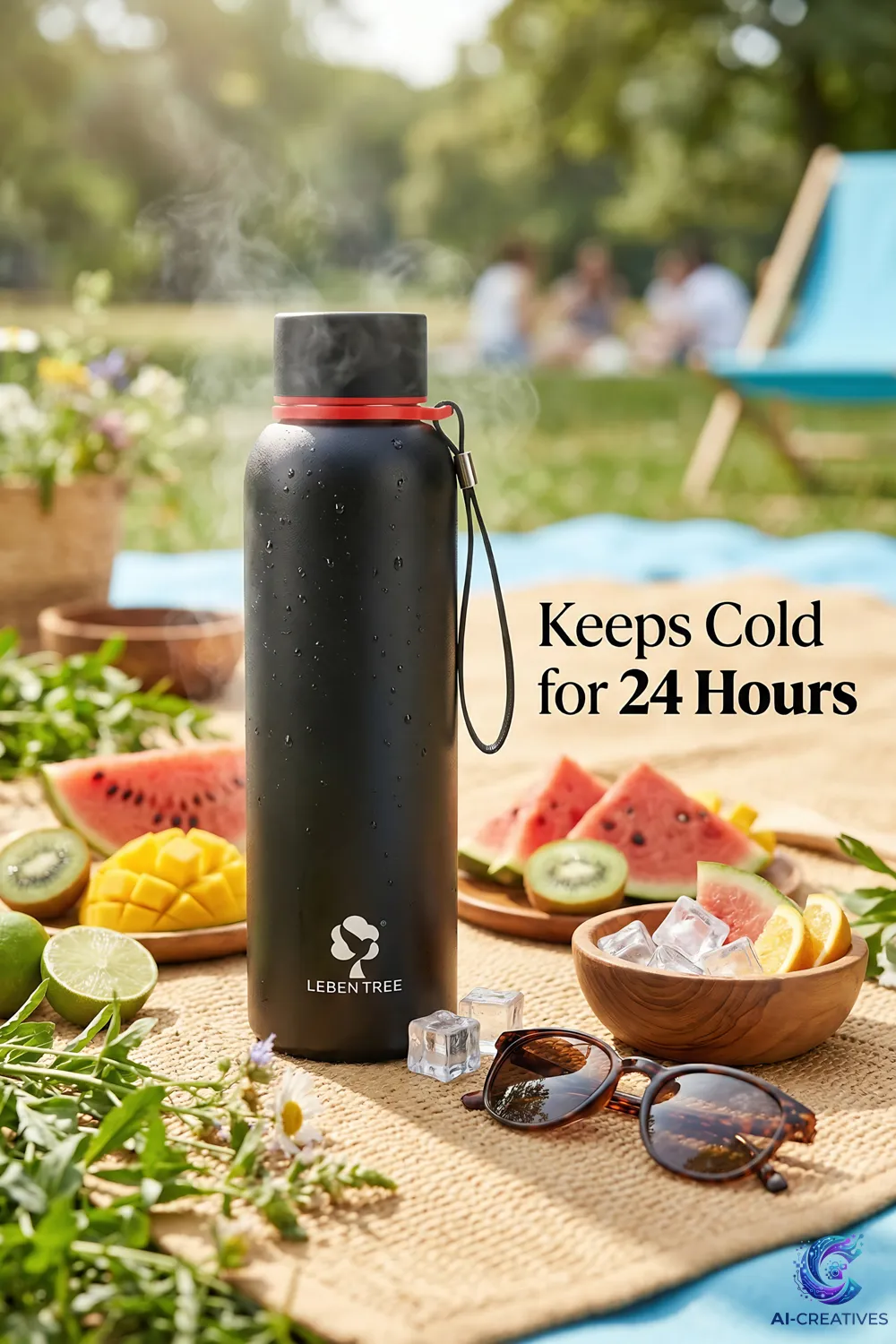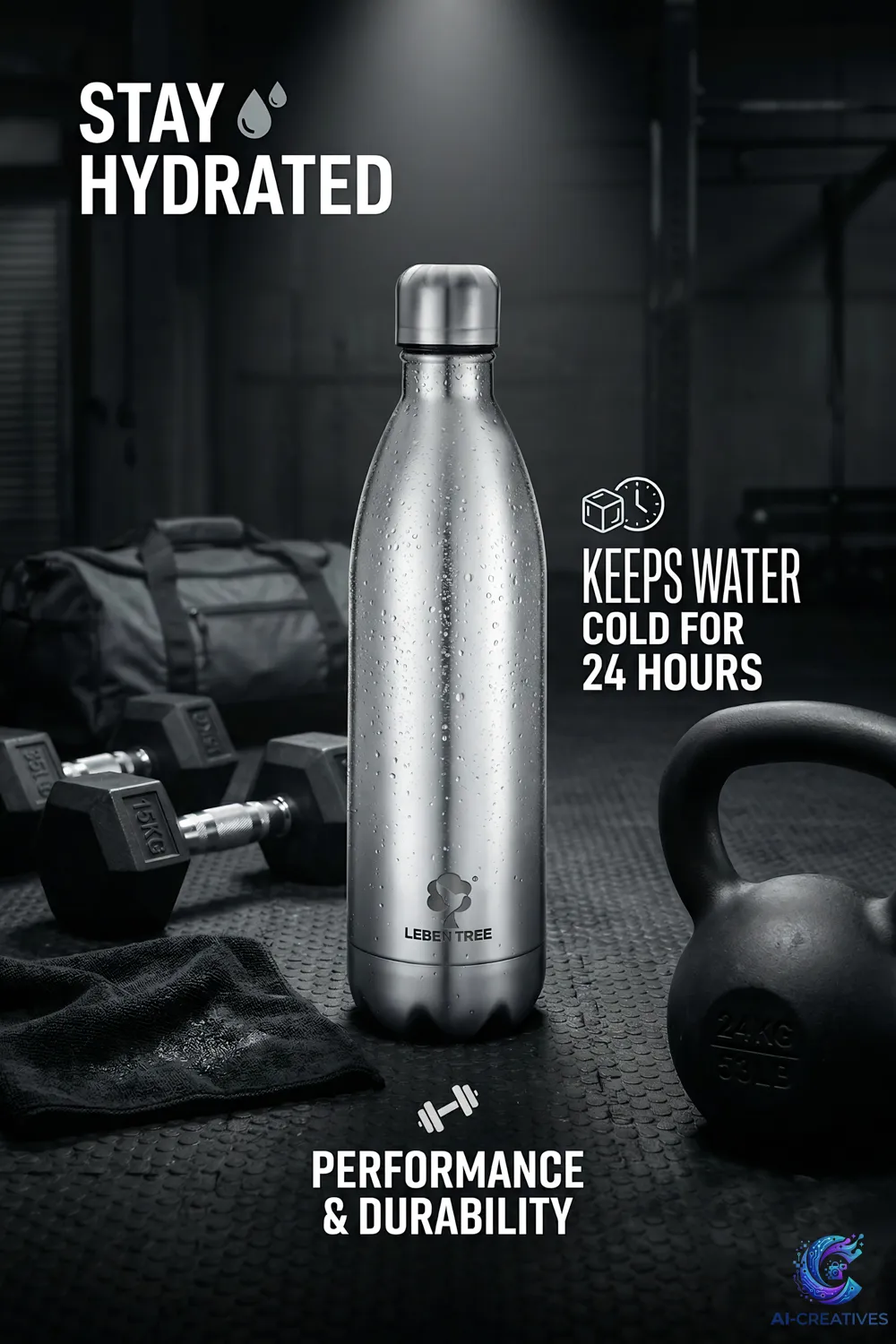

AI product photography is the use of artificial intelligence to create, extend, edit or transform commercial images of products. It can include generating environments, replacing backgrounds, creating lifestyle scenes, developing advertising concepts, extending a photographed scene and producing creative variations around a real product.
For commercial brands, the most useful distinction is between a fully generated product image and an AI-assisted product photography workflow. In an AI-assisted workflow, the physical product can be photographed accurately first, while AI is used to create or modify the surrounding visual environment. This approach can preserve important product characteristics while giving a brand more creative flexibility.
How AI Product Photography Works
A practical workflow can begin with a real product photograph, followed by image isolation, creative briefing, scene generation, compositing, retouching and quality control. The exact workflow depends on the product, final platform and desired visual style.
What AI Can Create Around a Product
AI can help create backgrounds, rooms, surfaces, seasonal environments, advertising concepts and lifestyle contexts. It can also help generate multiple creative directions from the same source product image.
AI-Generated vs AI-Assisted Product Photography
Fully generated imagery creates the product and environment together. AI-assisted photography starts with a real product reference and uses AI selectively. The second approach can be useful when exact packaging, shape, materials or branding need to remain accurate.
Why Product Accuracy Matters
Commercial images must represent the item customers will actually receive. Logos, labels, colors, dimensions, hardware, materials and distinctive design details should therefore be reviewed rather than assumed to be correct.
Common E-Commerce Uses
AI-assisted imagery can support product pages, secondary listing images, lifestyle scenes, catalog campaigns, social media, advertising and seasonal creative production.
Where AI Has Limitations
Generative systems can introduce incorrect text, altered proportions, extra components, unrealistic reflections or inconsistent details. Human review remains important, especially for high-value products and marketplace assets.
When to Use Traditional Photography
Traditional photography remains valuable when exact physical appearance, technical details, regulated claims, reflective materials, complex products or precise color reproduction are critical.
Ai-Creatives Approach
Ai-Creatives combines commercial photography knowledge with generative production where it adds value. The goal is not to make every image look AI-generated; it is to produce commercially useful imagery while keeping the real product central.
Practical checklist
Before publishing or using the information from this guide, a brand should confirm the product reference, intended platform, required image dimensions, brand guidelines, product claims and final quality-control process.