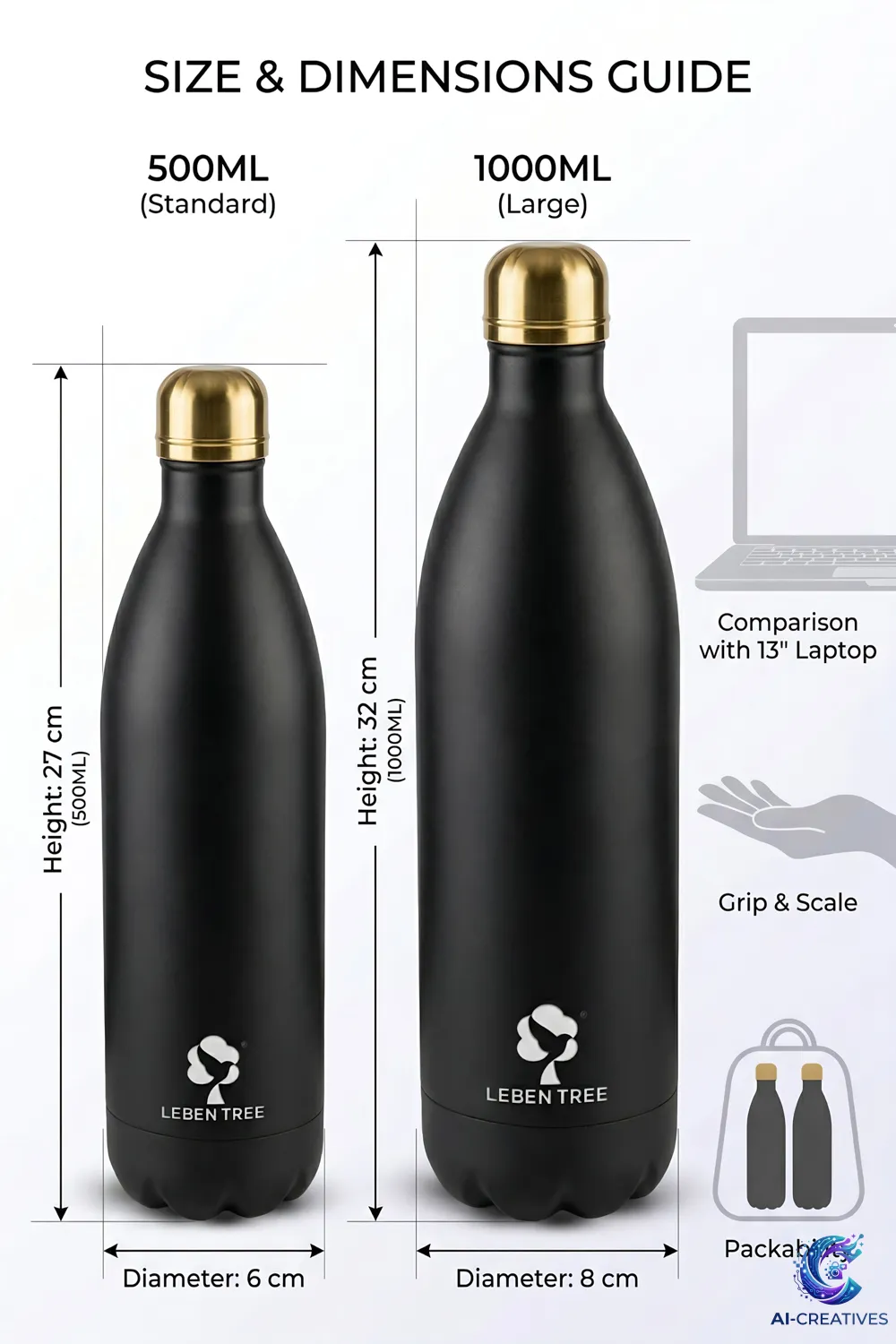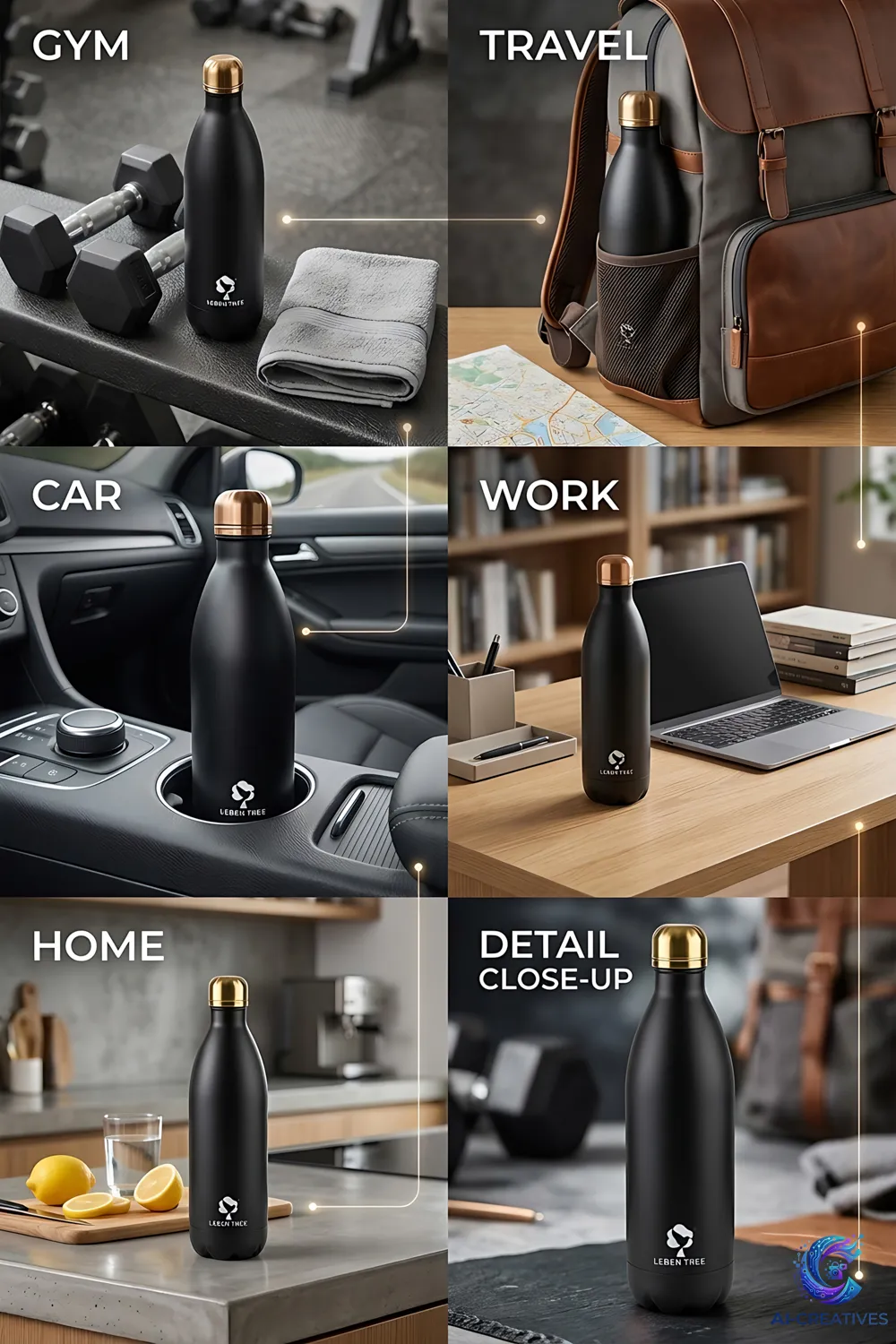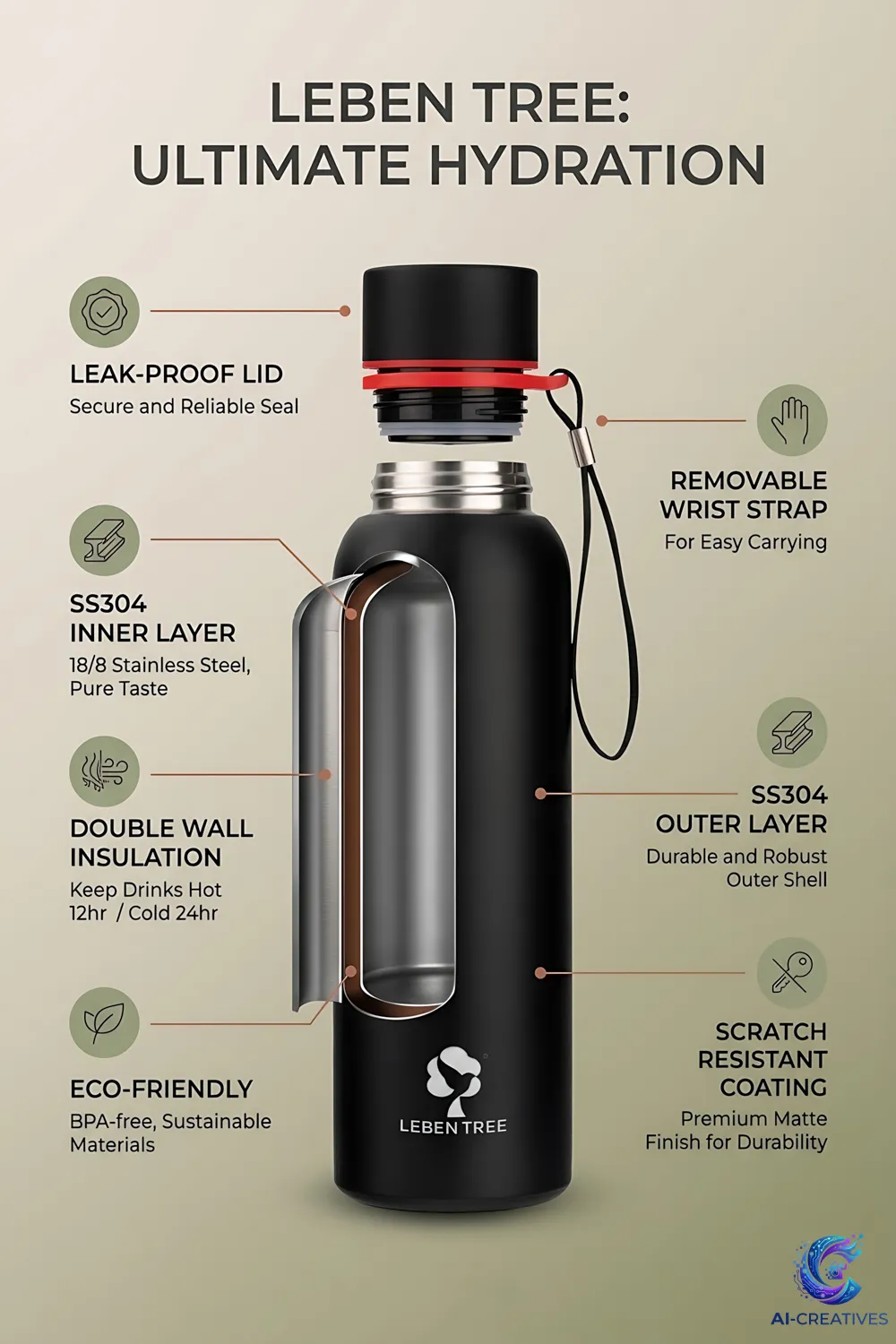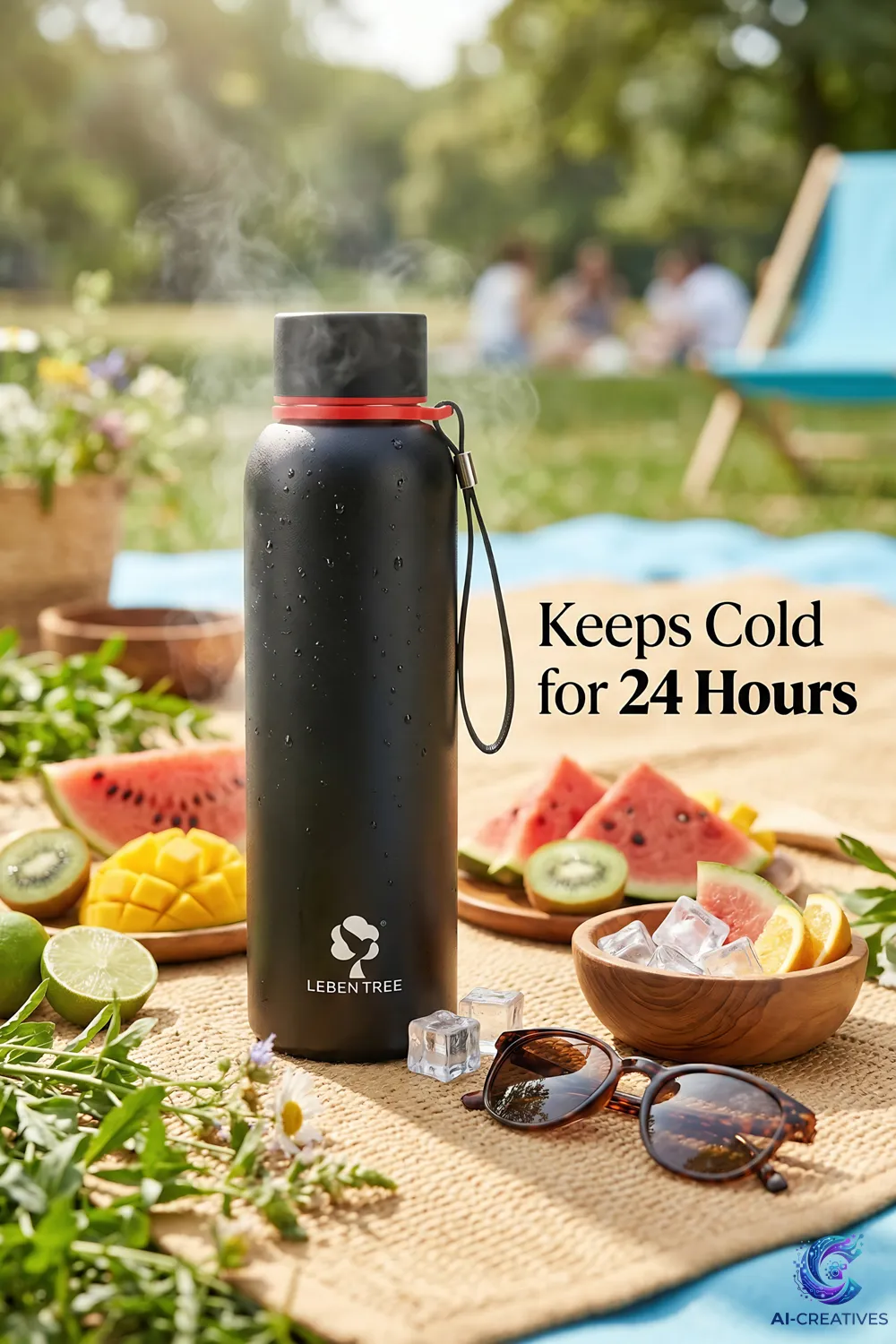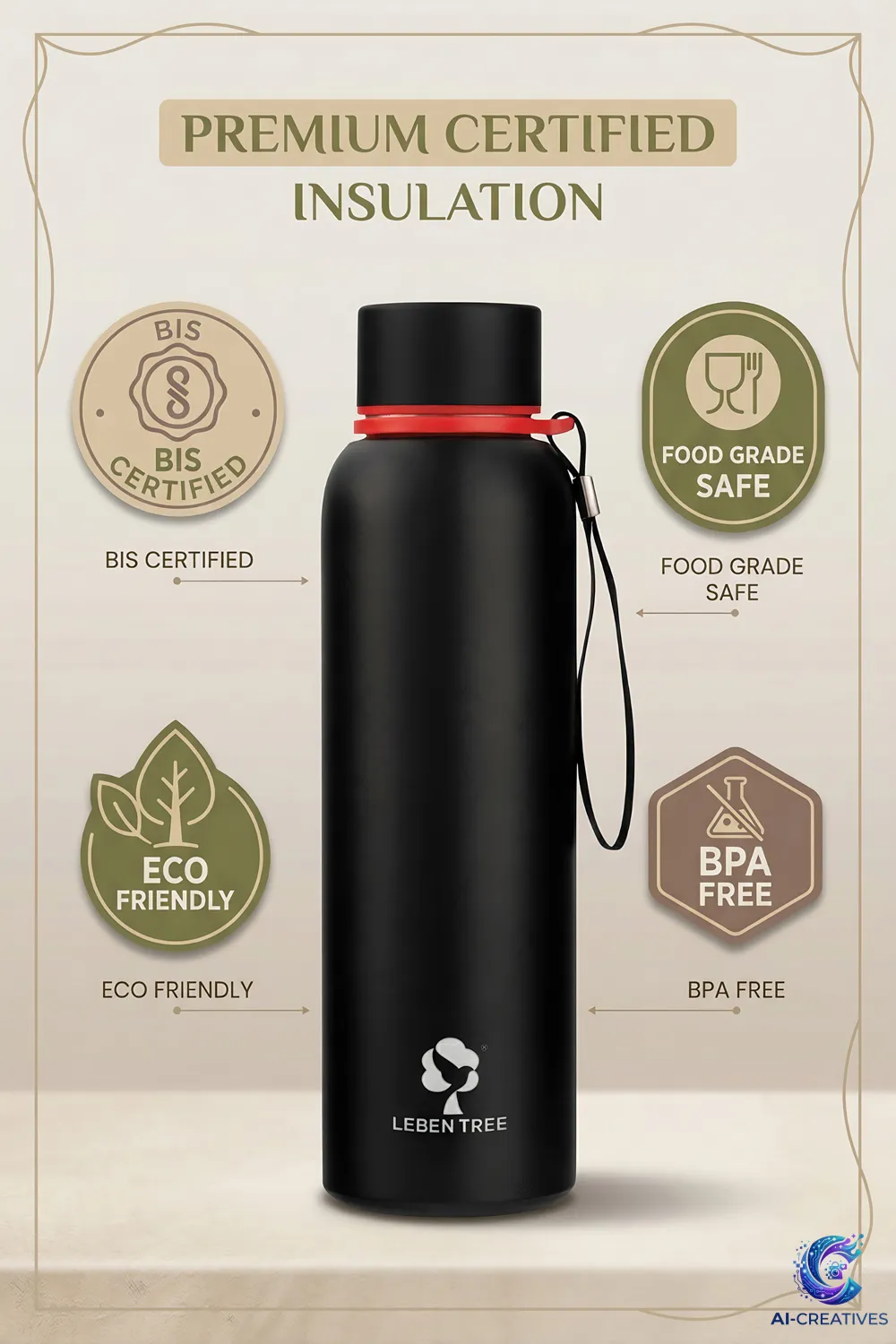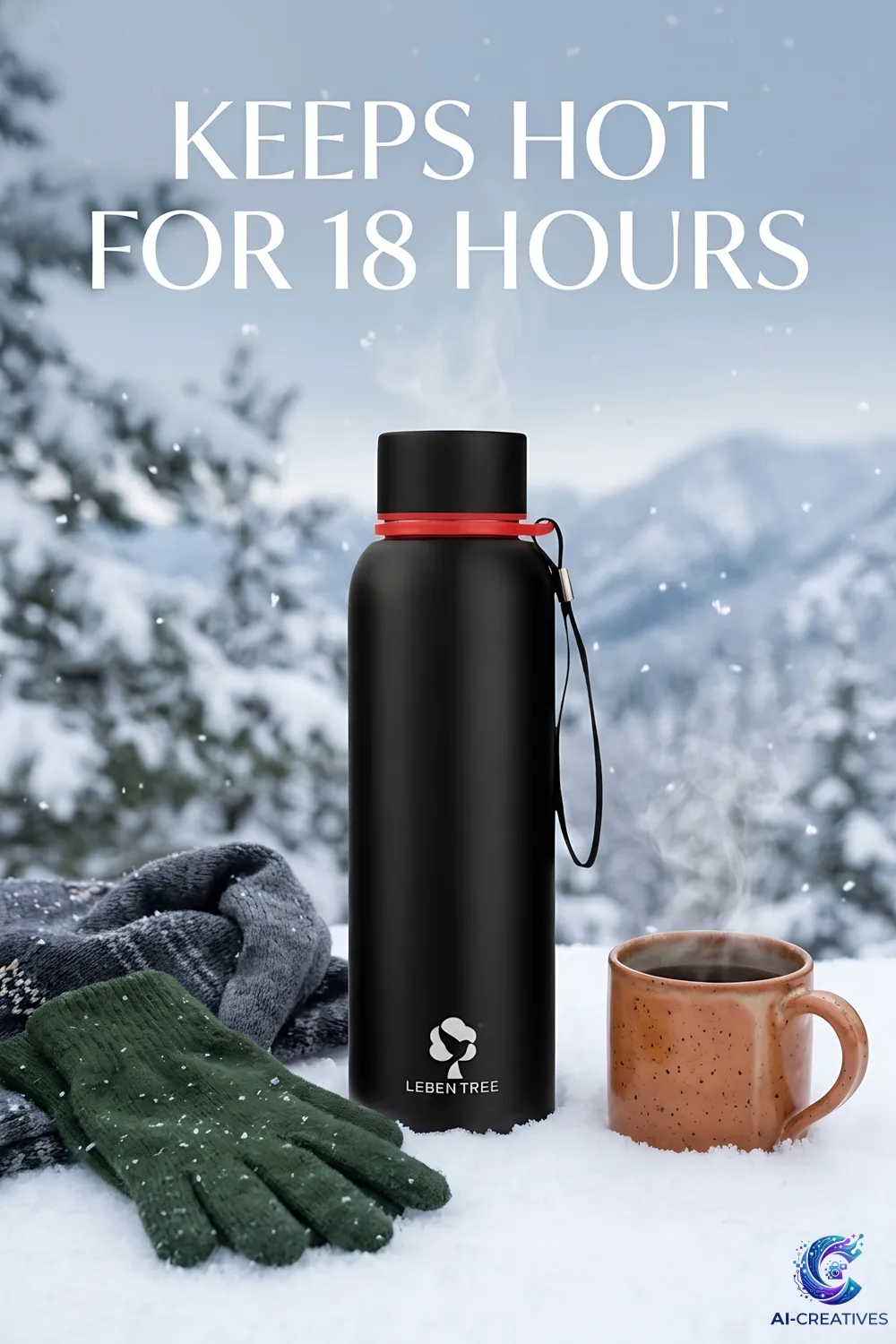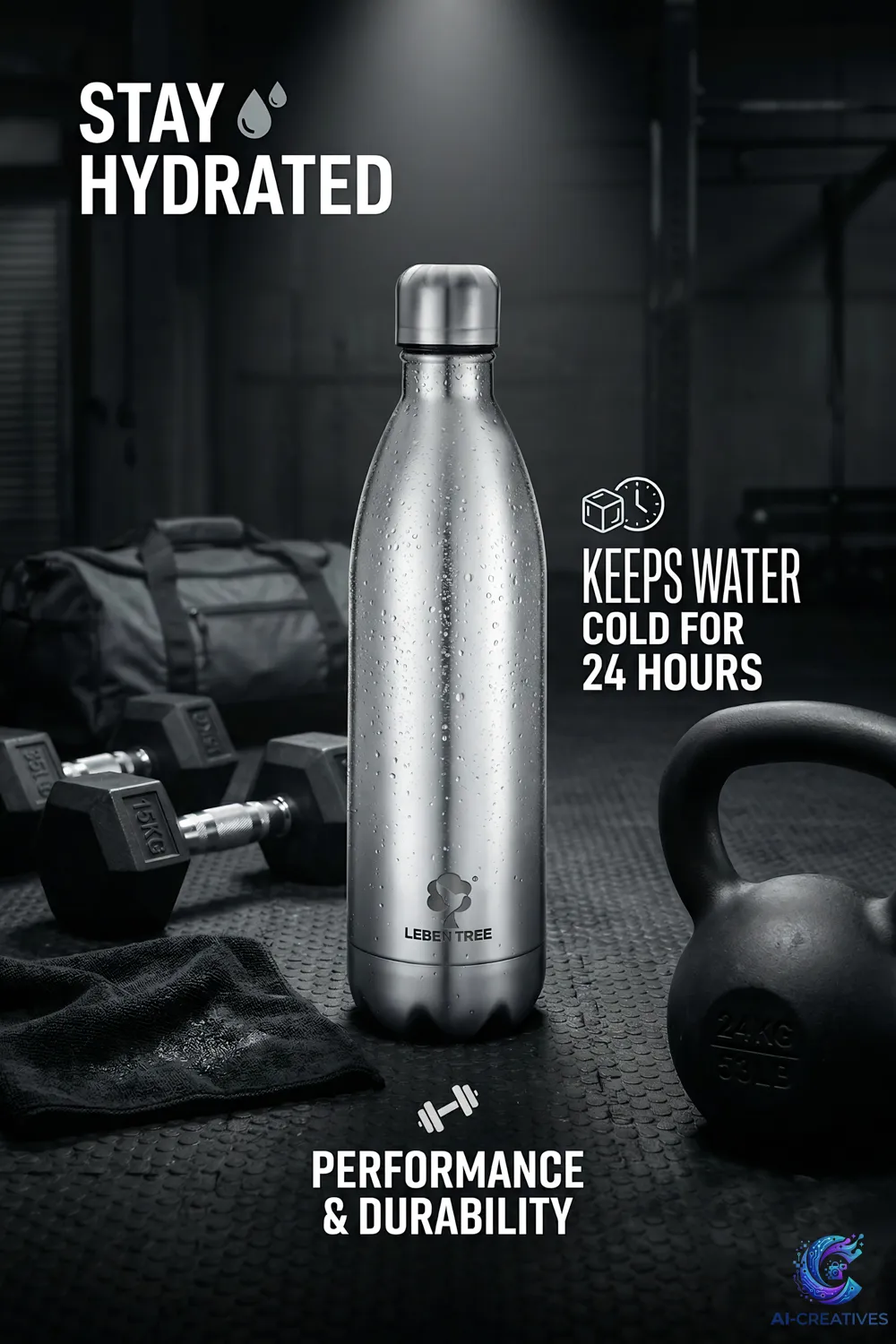
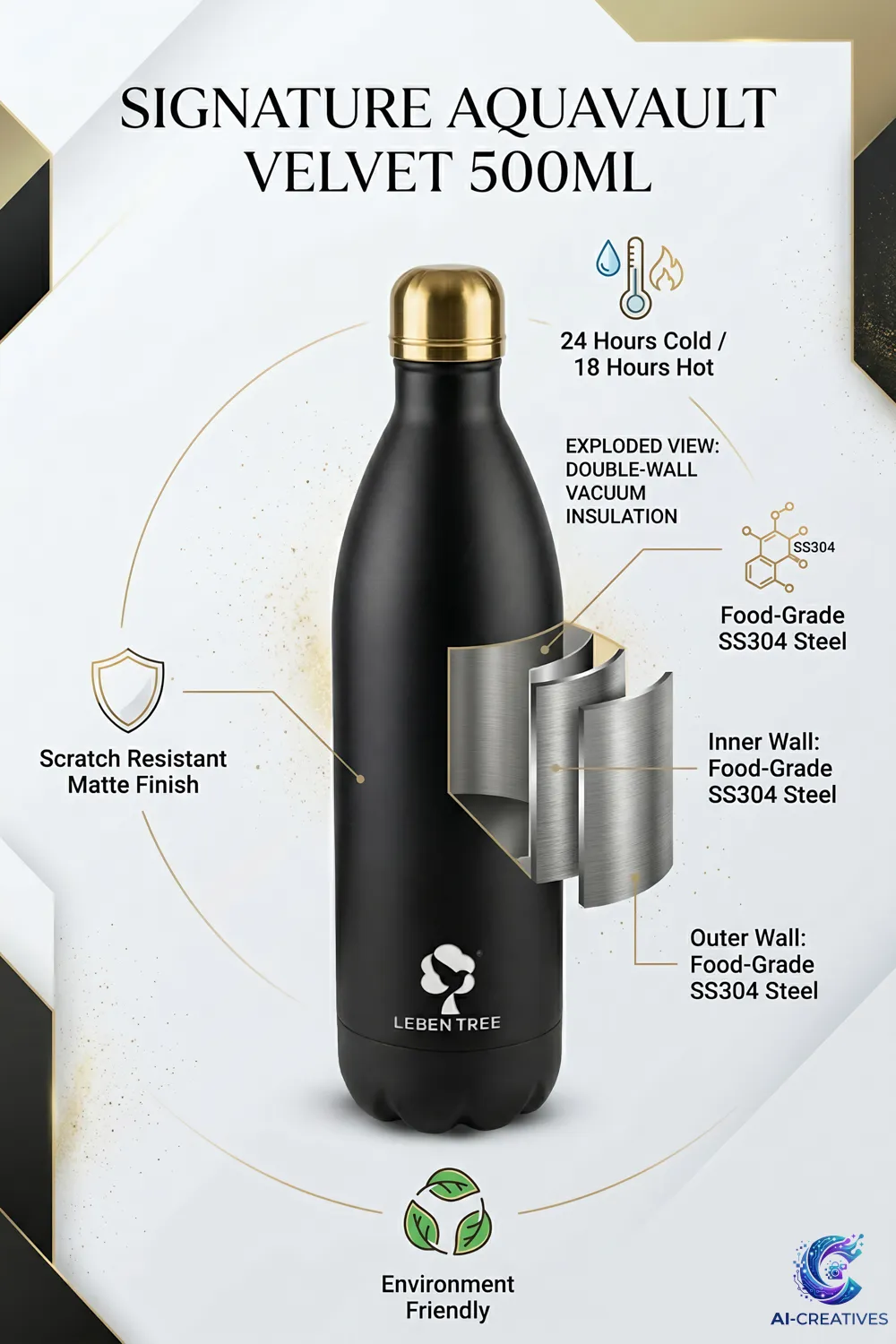
AI product photography can produce impressive visuals, but commercial production has a higher standard than visual novelty. A scene that looks attractive at first glance can still contain a wrong logo, altered product shape, incorrect material or impossible physical interaction.
Understanding these limitations helps brands decide where AI is appropriate and where conventional photography, compositing or manual retouching is safer.
Product Shape Distortion
Generative systems can subtly change proportions, edges, handles, controls or other structural details. Compare final imagery against the real product.
Packaging and Text Errors
Small labels and packaging typography can be reproduced incorrectly. Do not assume generated text is accurate.
Logo and Brand Problems
Brand marks can be distorted or replaced. Use controlled source assets and inspect logos carefully.
Materials and Reflections
Glass, chrome, transparent plastics, liquids and reflective surfaces can be difficult because realistic highlights and reflections depend on physical geometry.
Human Interaction
Hands, fingers, grips and physical interactions may look plausible but be anatomically or mechanically incorrect. Review images showing people using products.
Consistency Across a Catalog
Generating each product independently can create inconsistent lighting, scale and styling. Establish a visual system before producing many images.
Marketplace Requirements
Marketplace image rules can change and differ by asset type. Verify current official requirements before publishing.
Human Quality Control
The safest workflow includes a final comparison against the actual product and a person responsible for approving the image.
When Traditional Production Is Preferable
Use conventional photography when the exact physical appearance is the primary message or when a product is unusually complex, reflective, technical or regulated.
Practical checklist
Before publishing or using the information from this guide, a brand should confirm the product reference, intended platform, required image dimensions, brand guidelines, product claims and final quality-control process.