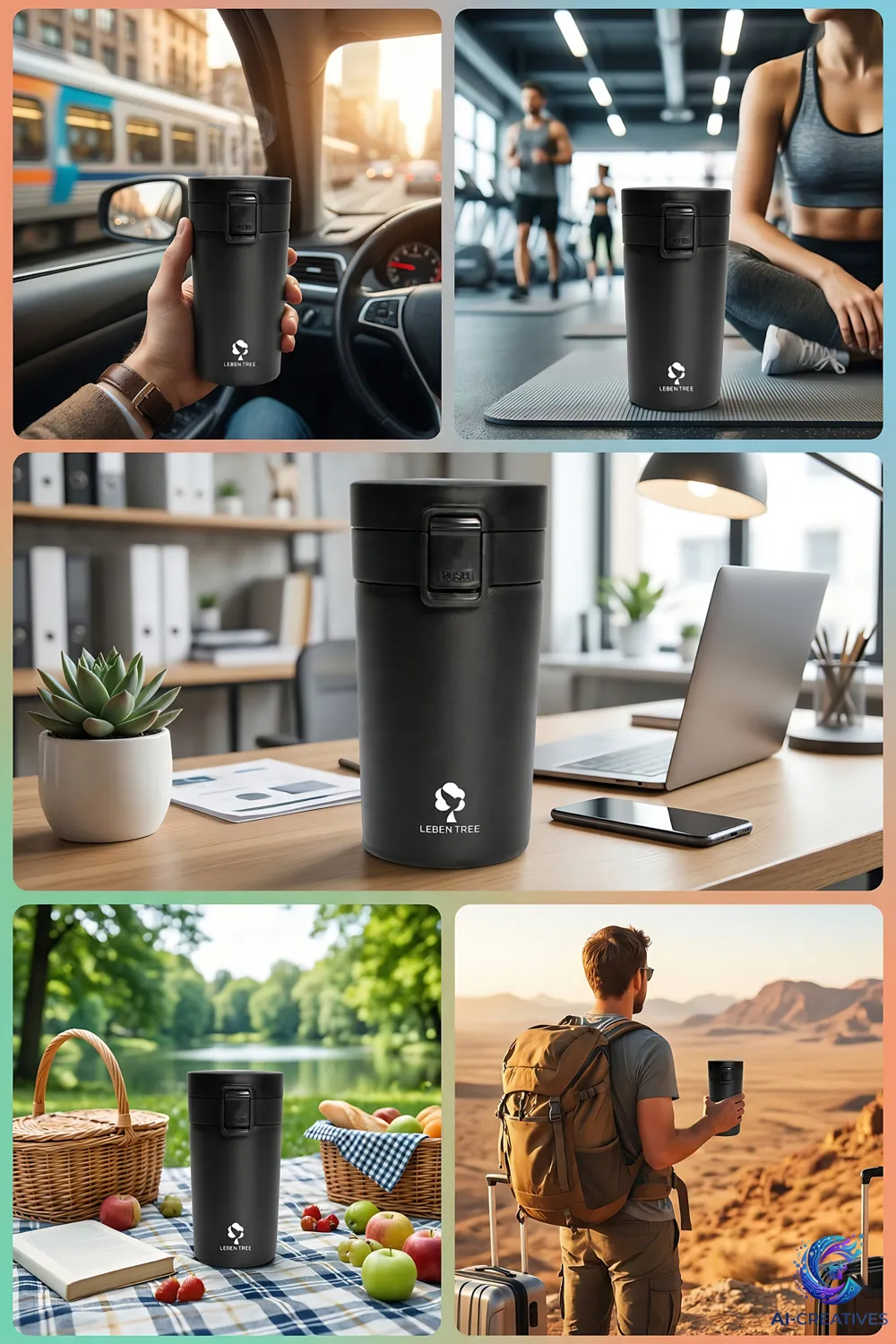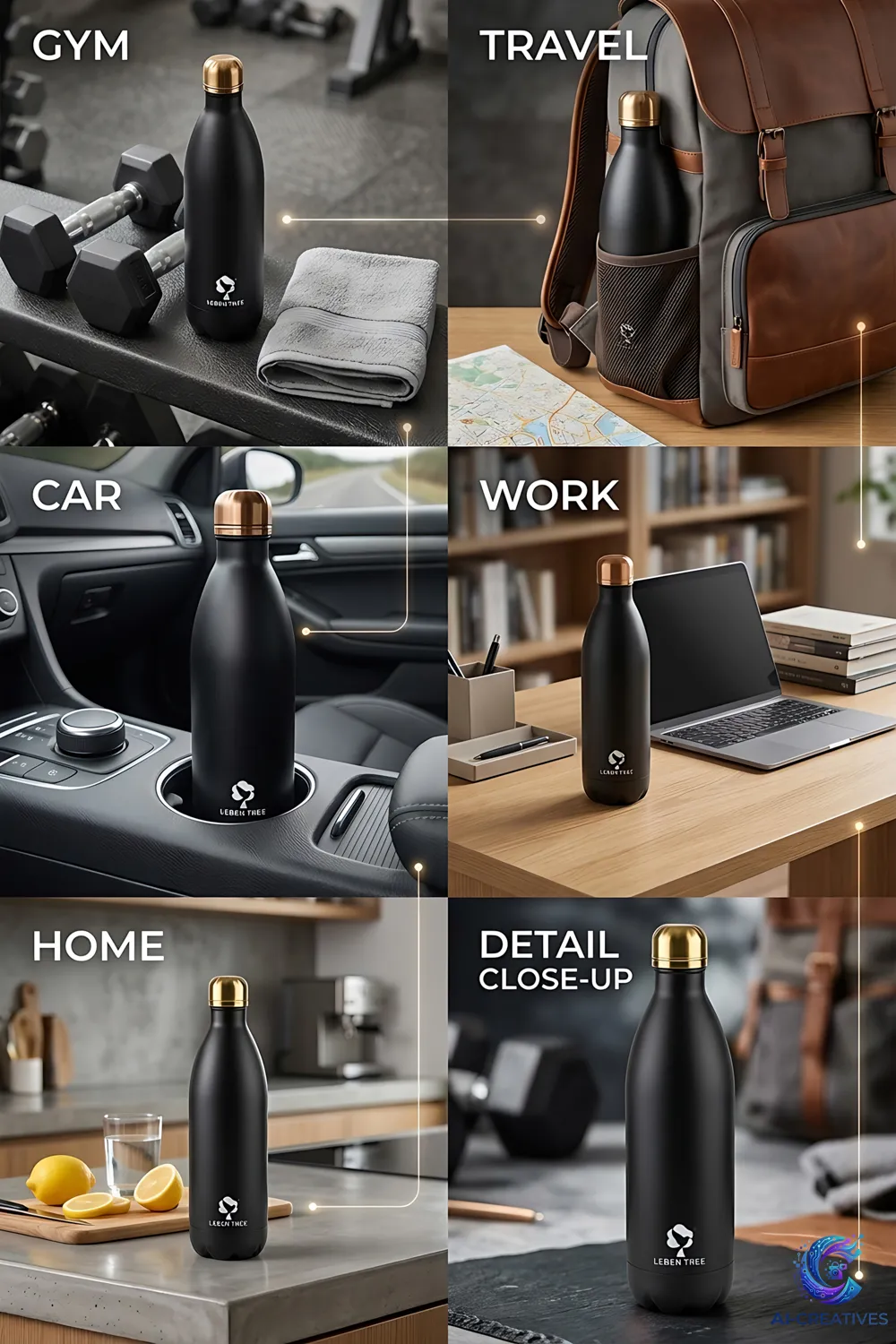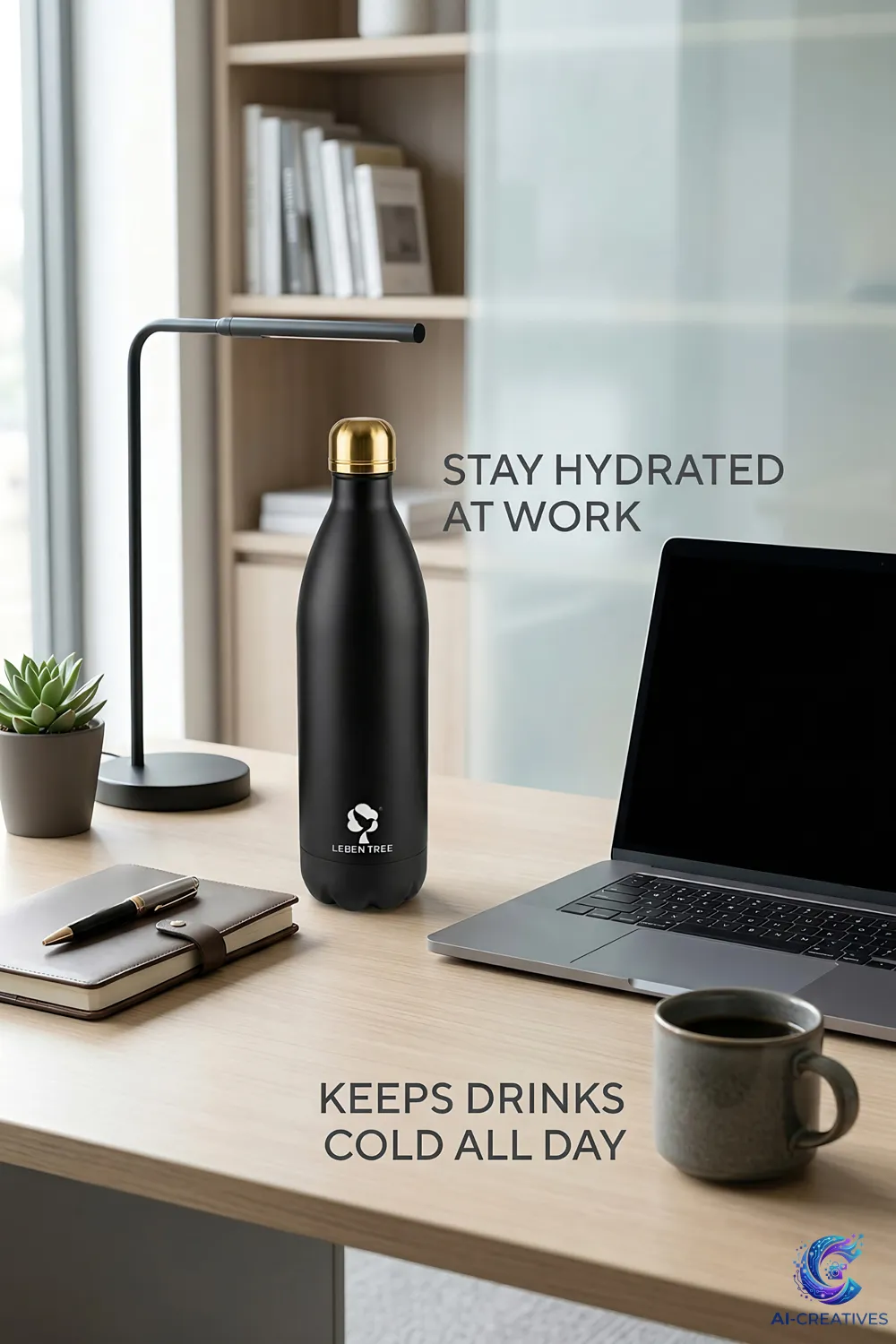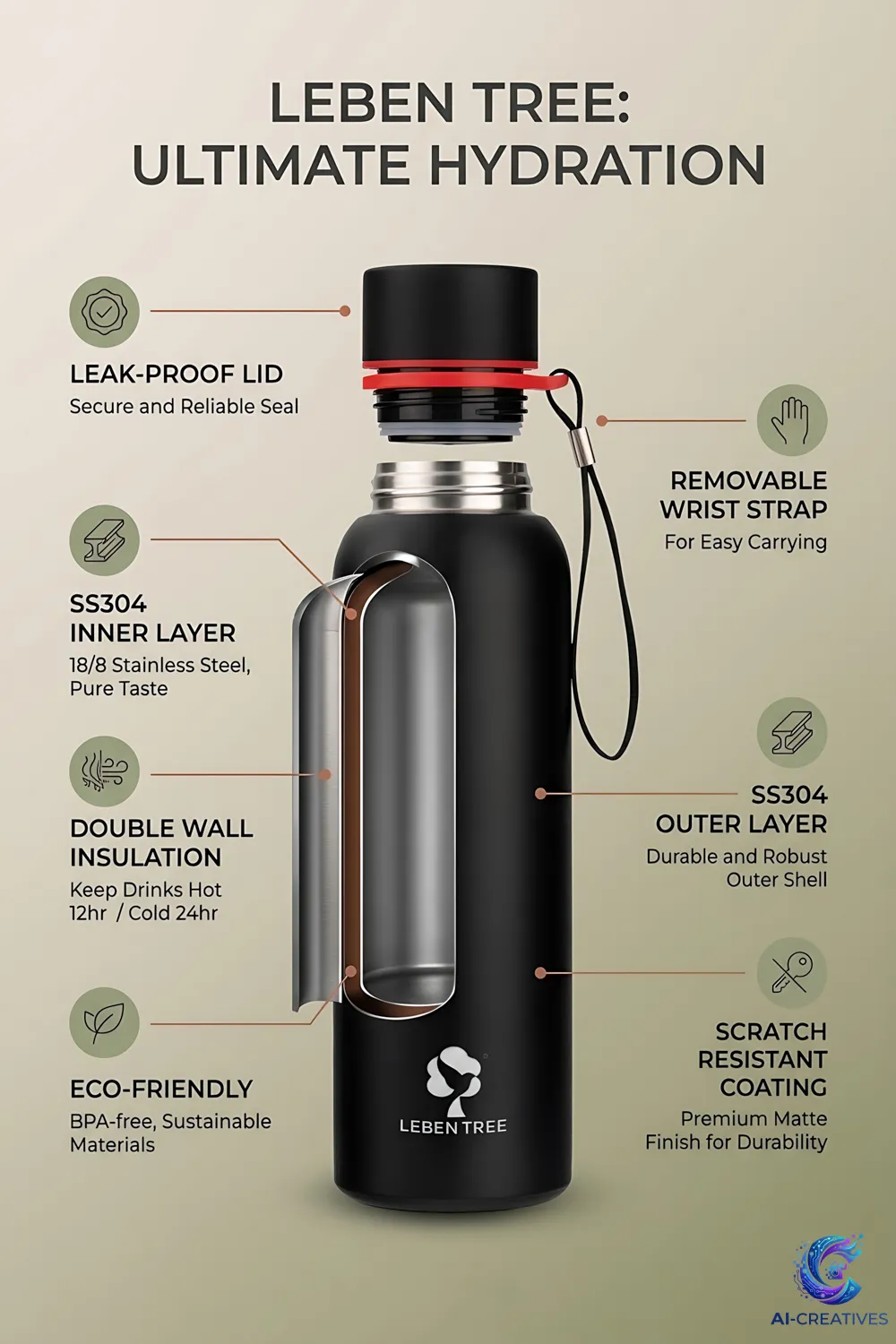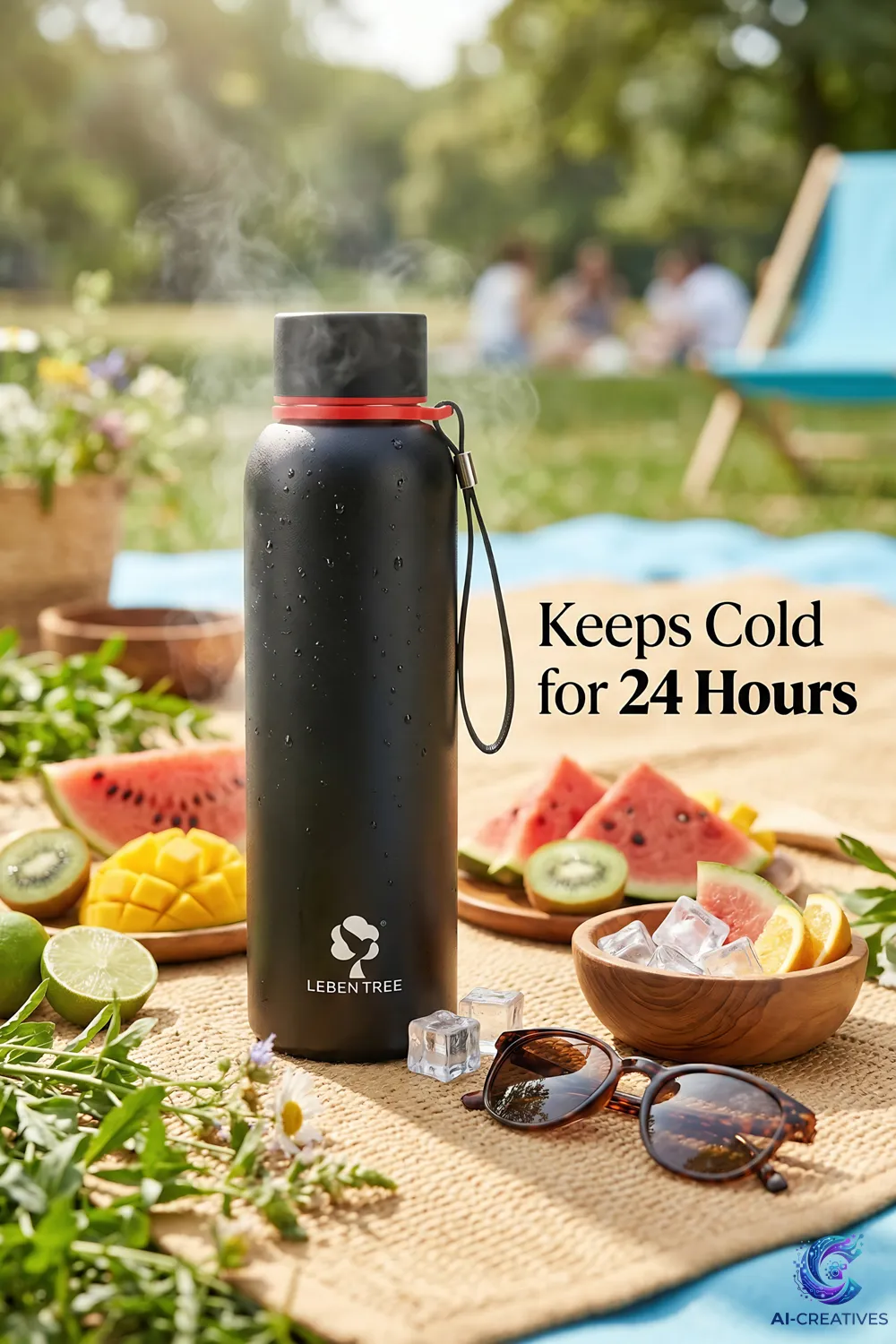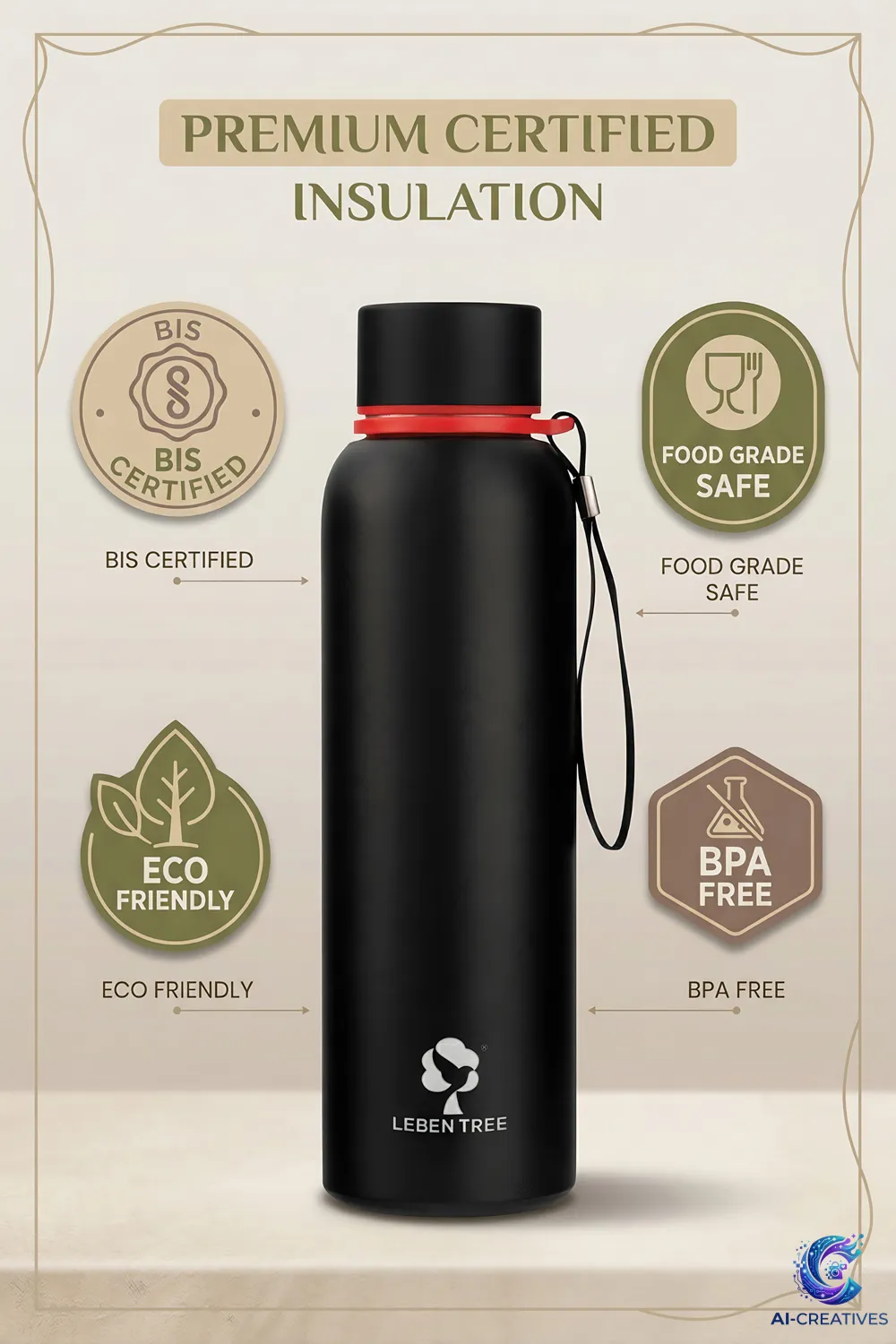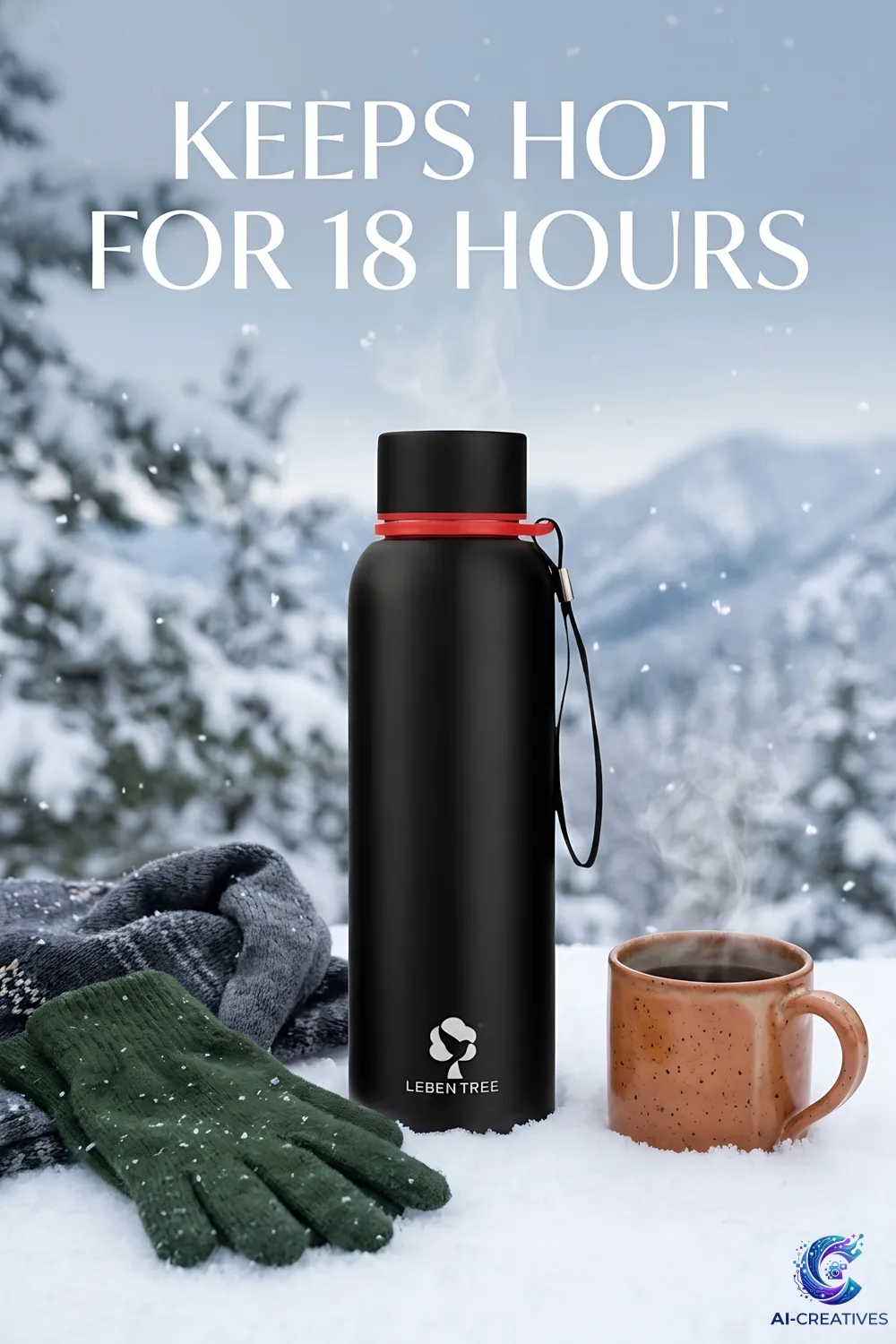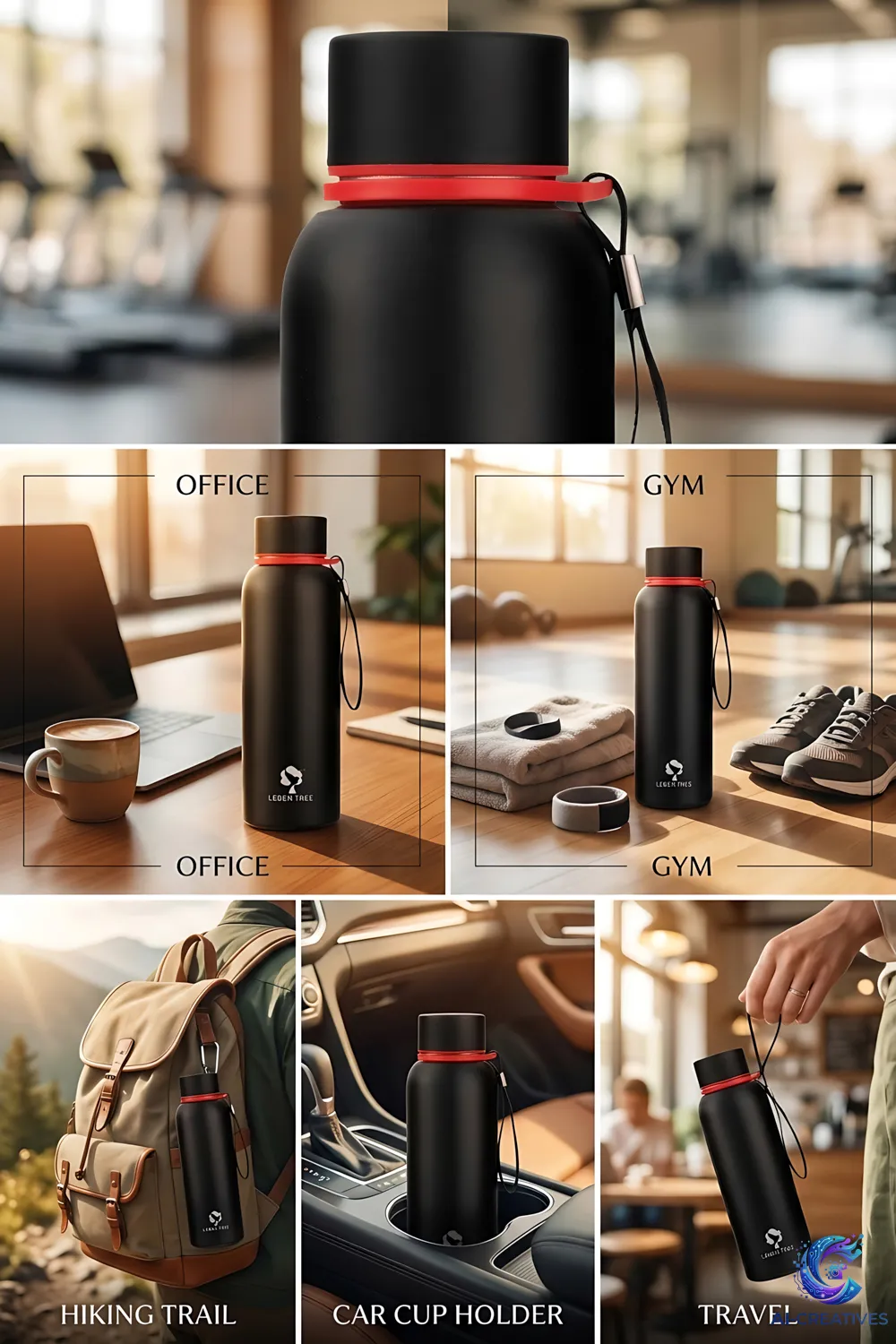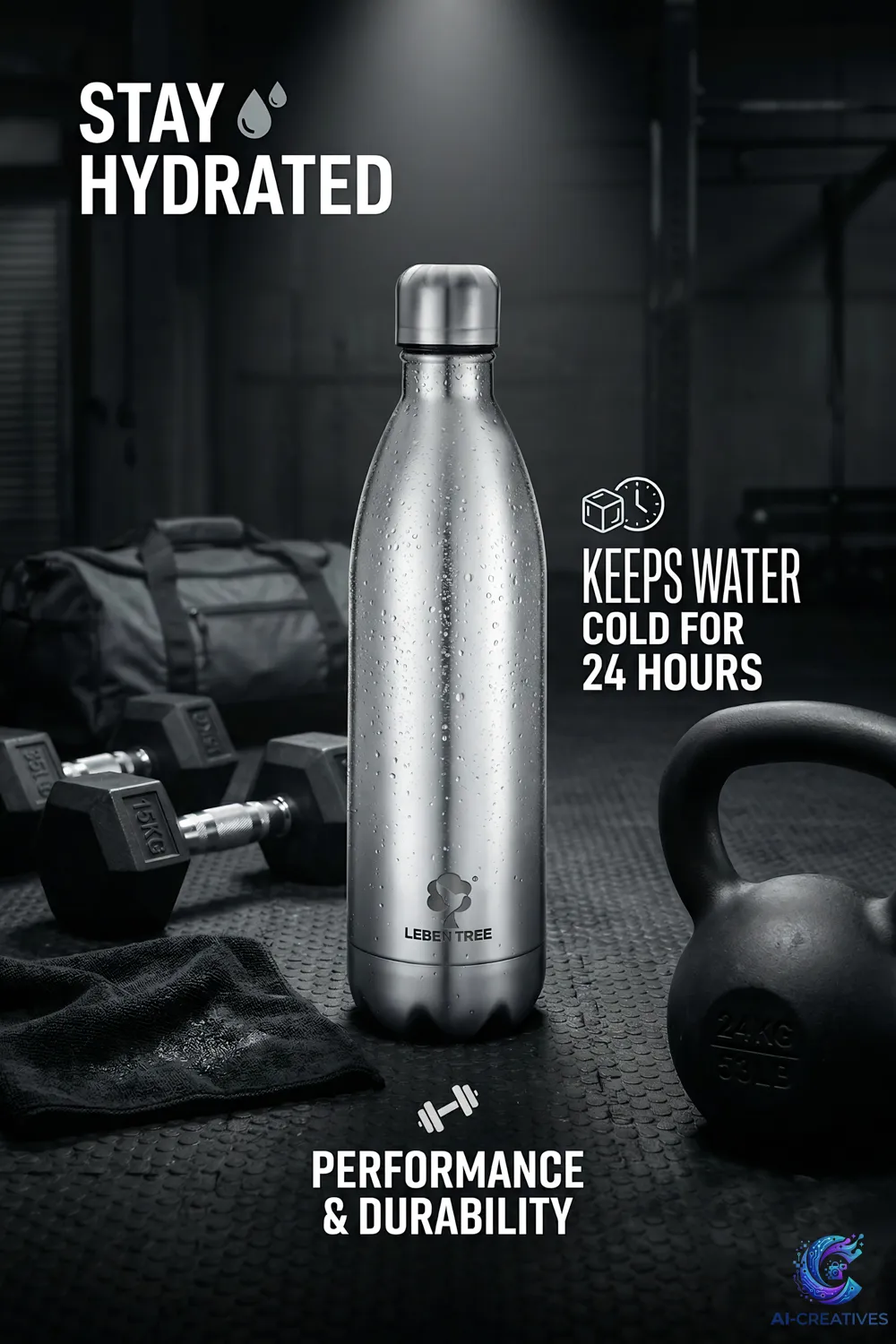
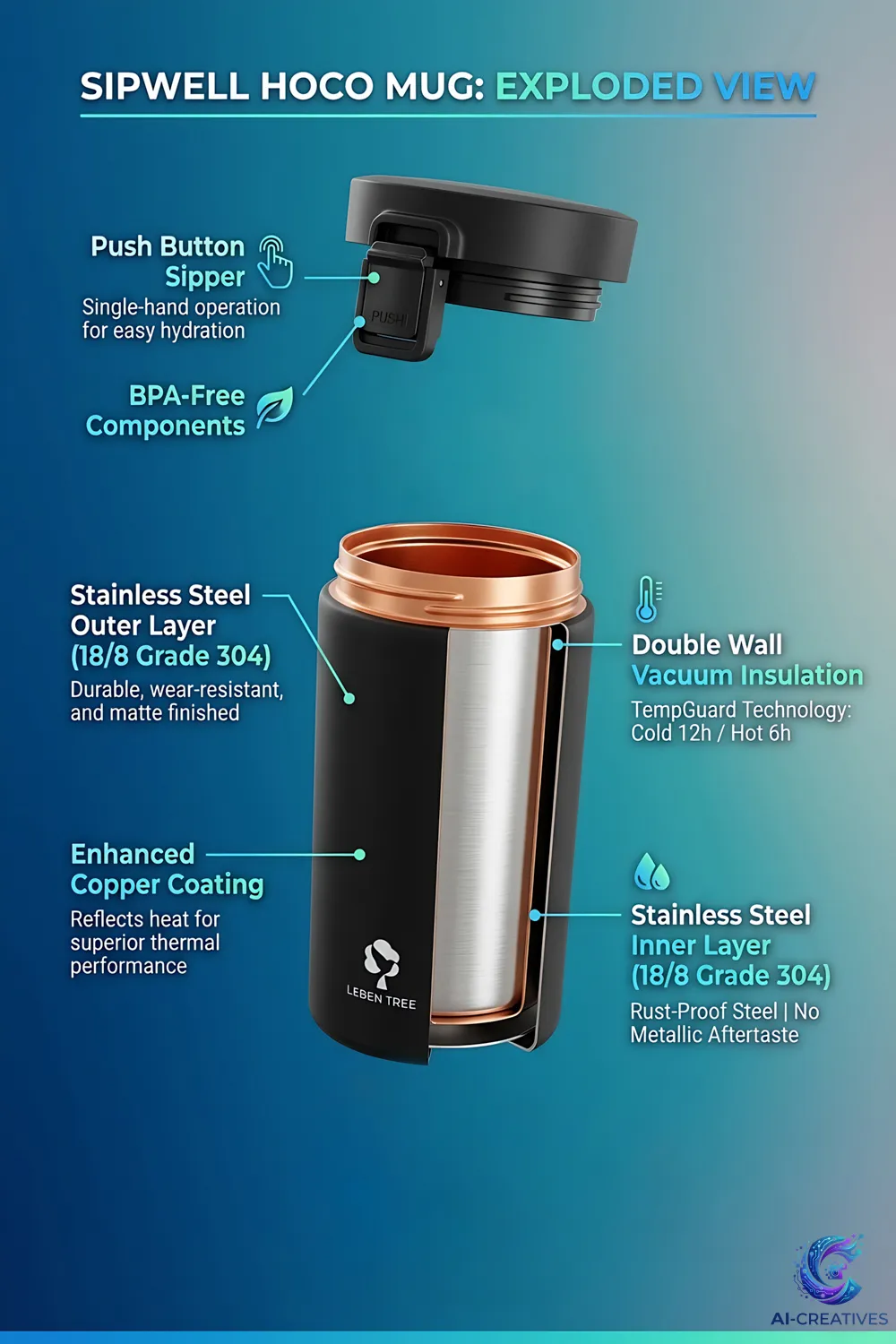
AI product photography sits at the intersection of commercial photography, image editing and generative technology. For an e-commerce brand, its purpose is not simply to create attractive pictures. The images must communicate the real product clearly and fit the context in which customers make purchase decisions.
This guide brings together the major considerations: what AI product photography means, how production works, where it can help, where it can fail and how to build a controlled workflow.
What Is AI Product Photography?
AI can generate, edit or extend commercial product imagery. The workflow may be fully generated or based on a real product photograph.
The Production Workflow
A strong workflow covers source photography, briefing, scene creation, perspective, lighting, product validation, retouching and export.
E-Commerce Applications
Use cases include product pages, secondary listing imagery, lifestyle scenes, catalog assets, social content and advertising.
Benefits
Creative variation, flexible environments and concept development are common reasons brands explore AI-assisted production.
Limitations
Text, logos, geometry, materials, reflections and consistency require careful review.
AI vs Traditional Photography
The two approaches have different strengths and can also be combined.
production scope Factors
production scope depends on product count, image count, source photography, complexity, revisions, turnaround and production requirements.
Quality Control
A final comparison with the actual product should be part of the workflow.
Choosing a Production Partner
Ask how the provider handles product accuracy, source assets, revisions, image specifications and commercial usage.
Conclusion
AI works best as a controlled creative-production tool. The goal should be accurate, useful commercial imagery rather than AI novelty.
Practical checklist
Before publishing or using the information from this guide, a brand should confirm the product reference, intended platform, required image dimensions, brand guidelines, product claims and final quality-control process.