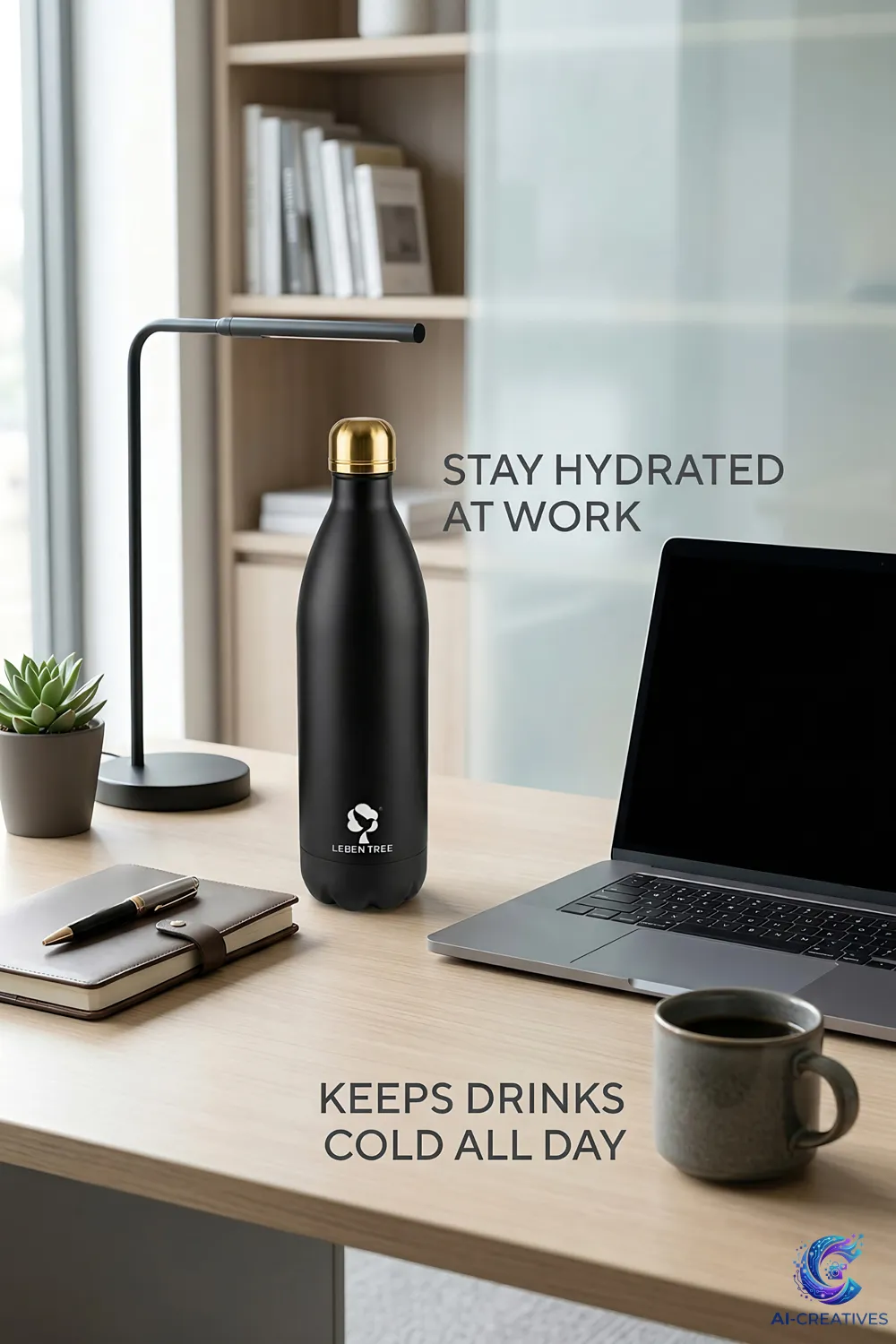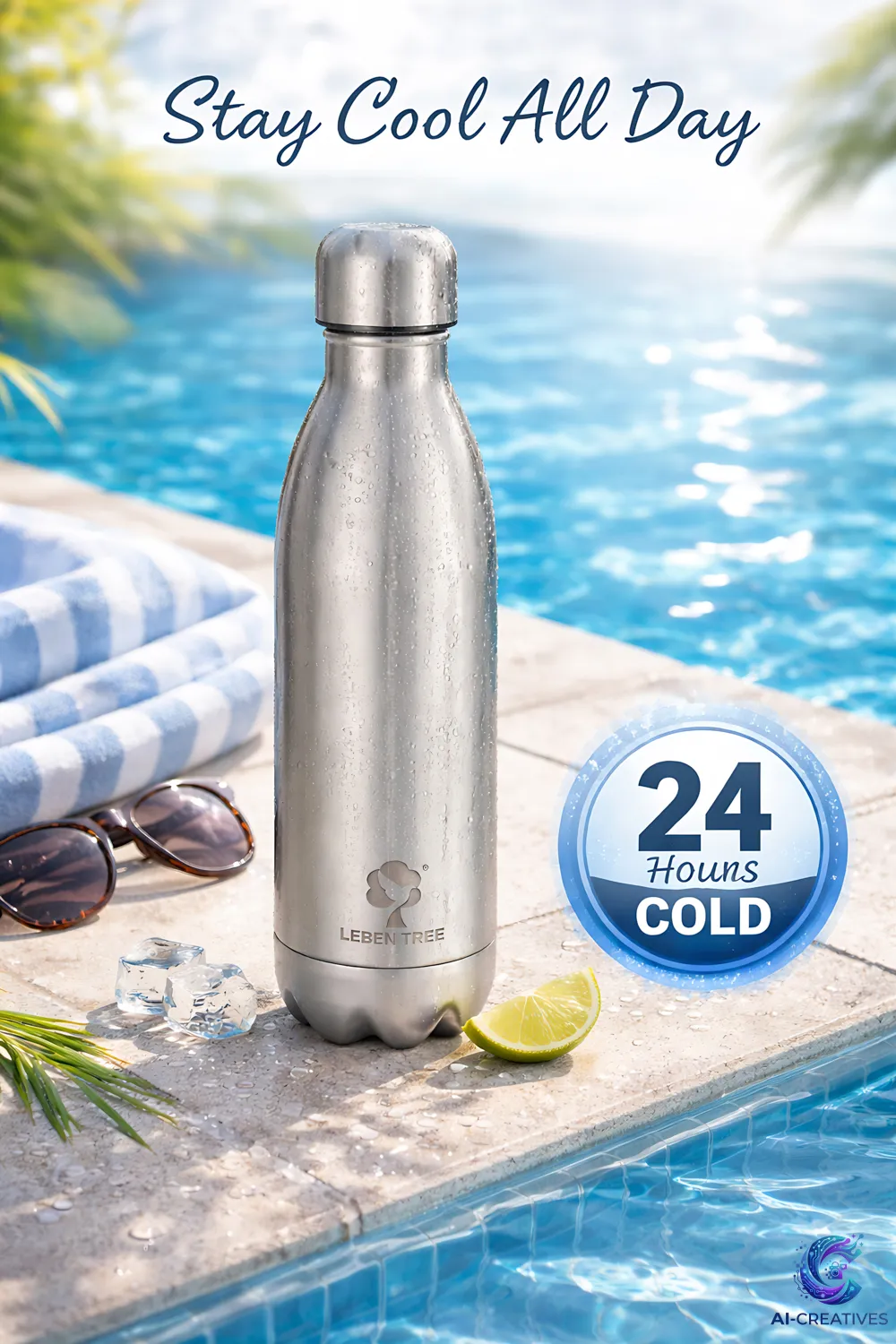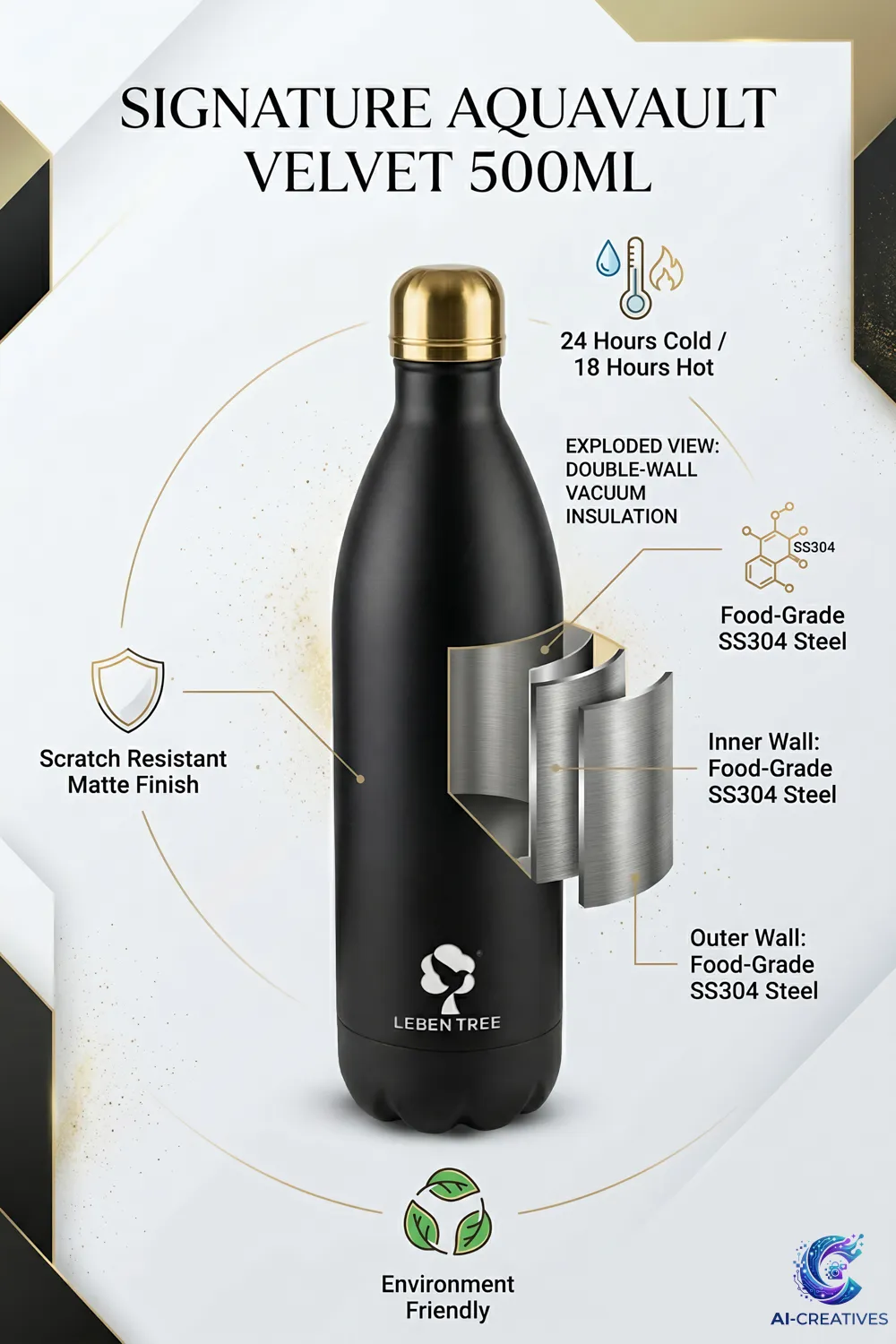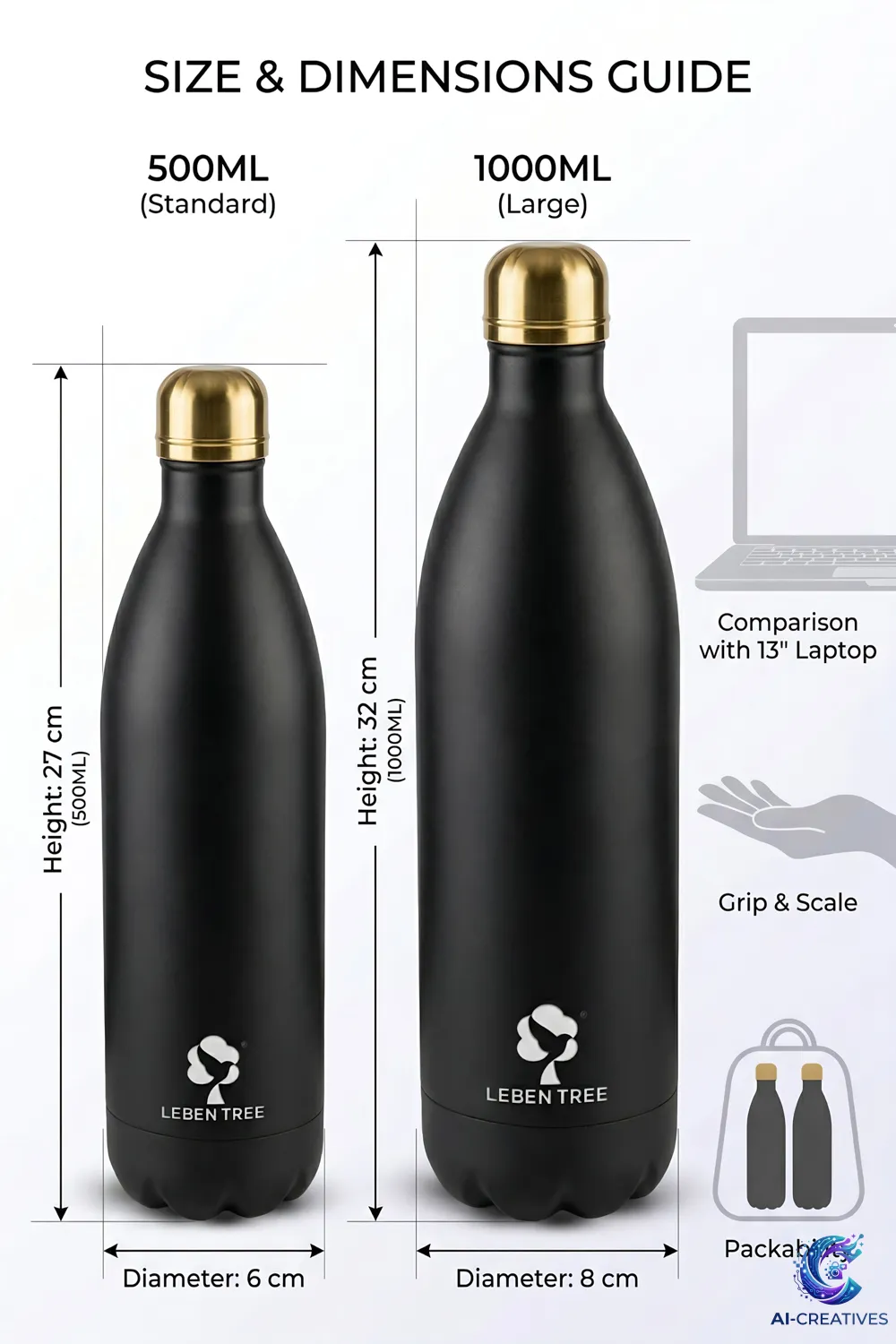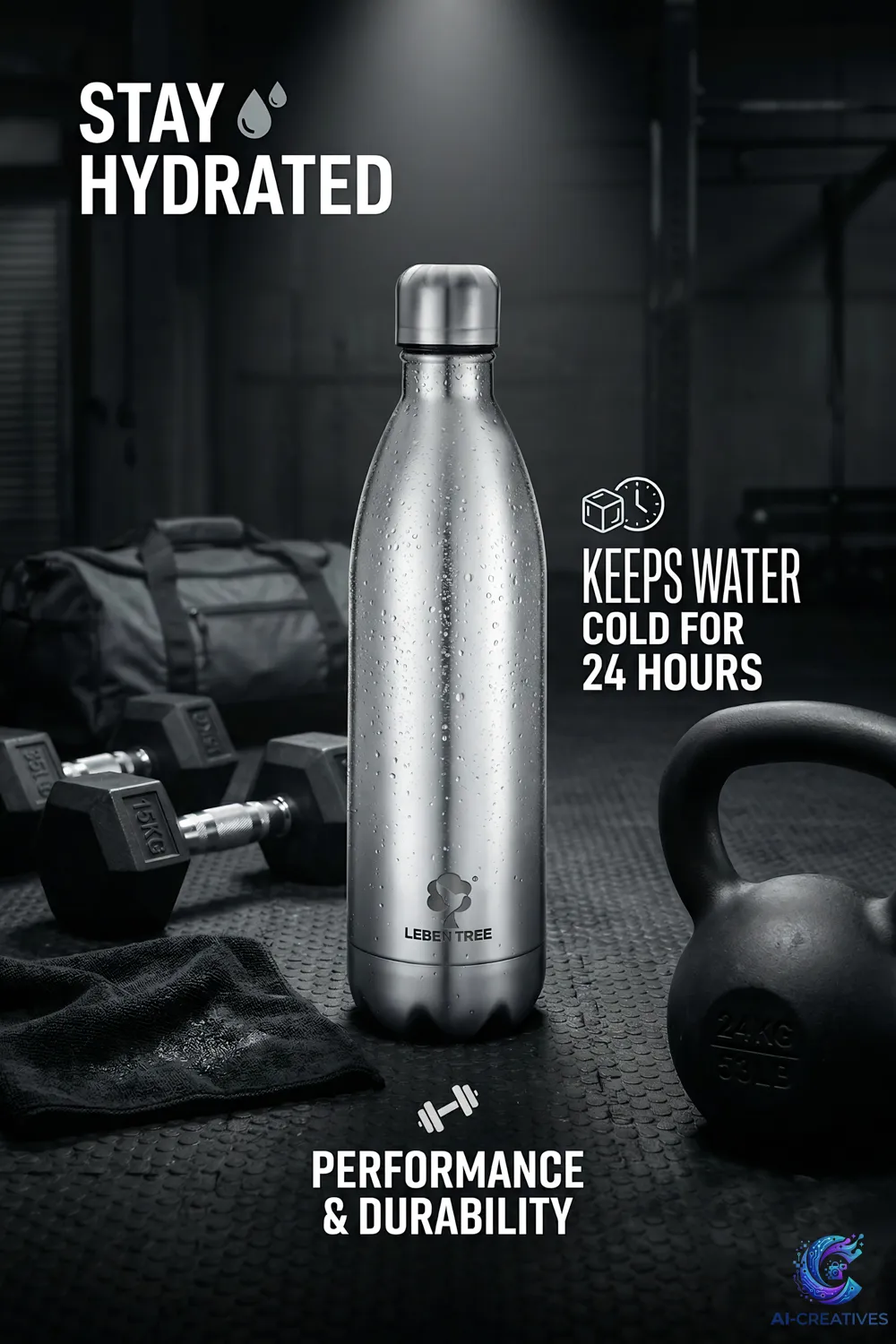
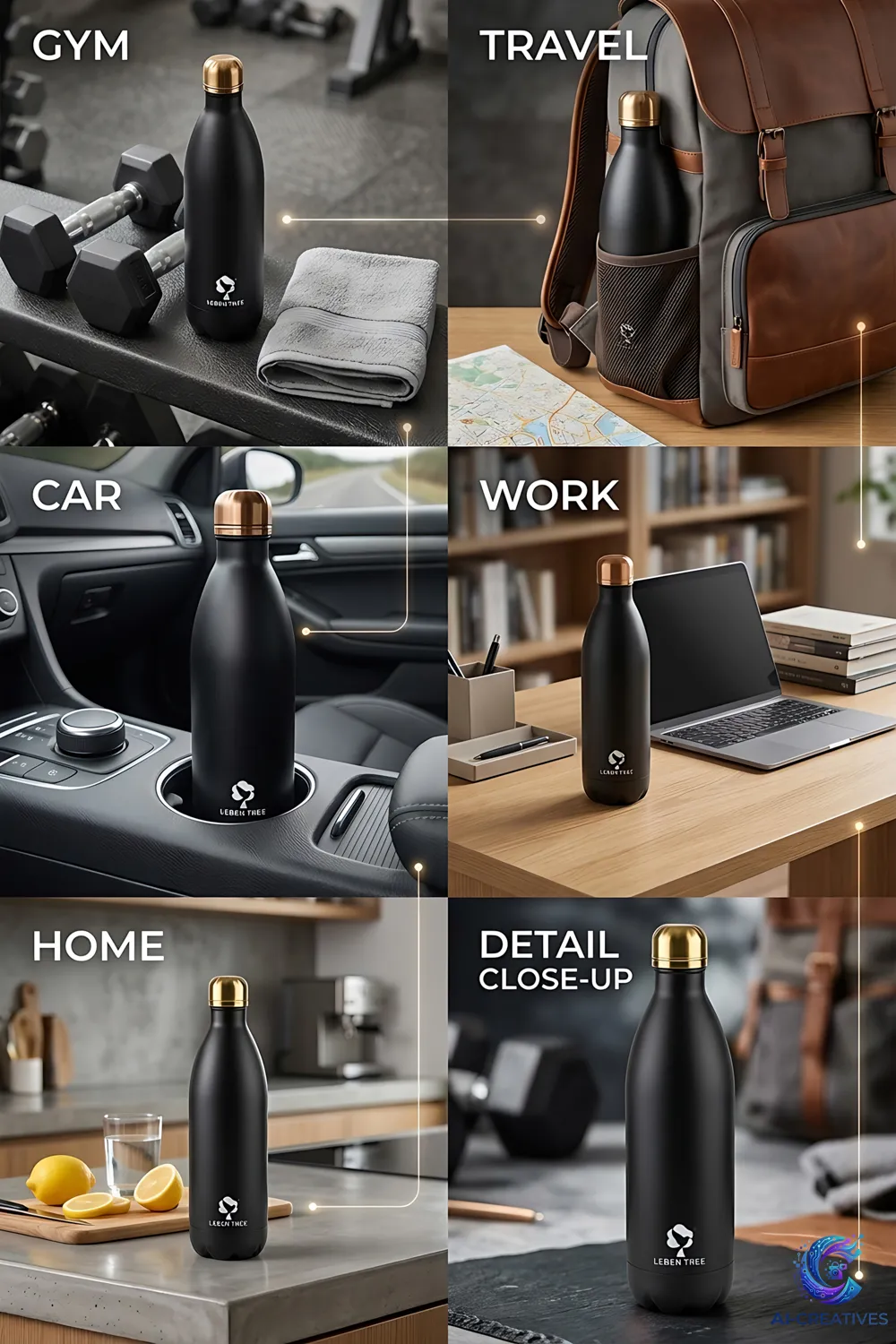
AI product photography and traditional product photography are not necessarily competing methods. Many commercial workflows can use both. Traditional photography is particularly strong at capturing a real object's exact physical characteristics. AI is particularly flexible when a brand needs additional environments, concepts or variations.
The right workflow depends on the product, image purpose, budget, timeline and required level of physical accuracy.
Traditional Photography Strengths
A physical camera records the actual product, materials, lighting and physical relationships. This is valuable when accurate representation is the primary objective.
AI-Assisted Photography Strengths
AI can provide flexible environments, creative exploration and additional variations without requiring every concept to be constructed physically.
Product Accuracy
Traditional capture provides a direct reference. AI-assisted workflows require review because generated elements can unintentionally change product details.
Lifestyle Production
Traditional lifestyle photography provides authentic physical interaction. AI can create or extend suitable environments for certain products.
Creative Iteration
AI can make early concept exploration faster, while physical shoots may require more preparation when every variation needs a new set.
Consistency
Both workflows require a defined visual standard. AI does not automatically guarantee consistency across a catalog.
Hybrid Workflow
A hybrid approach can photograph the actual product and use AI for selected environmental or creative elements.
Decision Framework
Choose the method based on accuracy, creative complexity, production volume, timeline, physical interaction and platform requirements rather than assuming one technology is universally better.
Practical checklist
Before publishing or using the information from this guide, a brand should confirm the product reference, intended platform, required image dimensions, brand guidelines, product claims and final quality-control process.