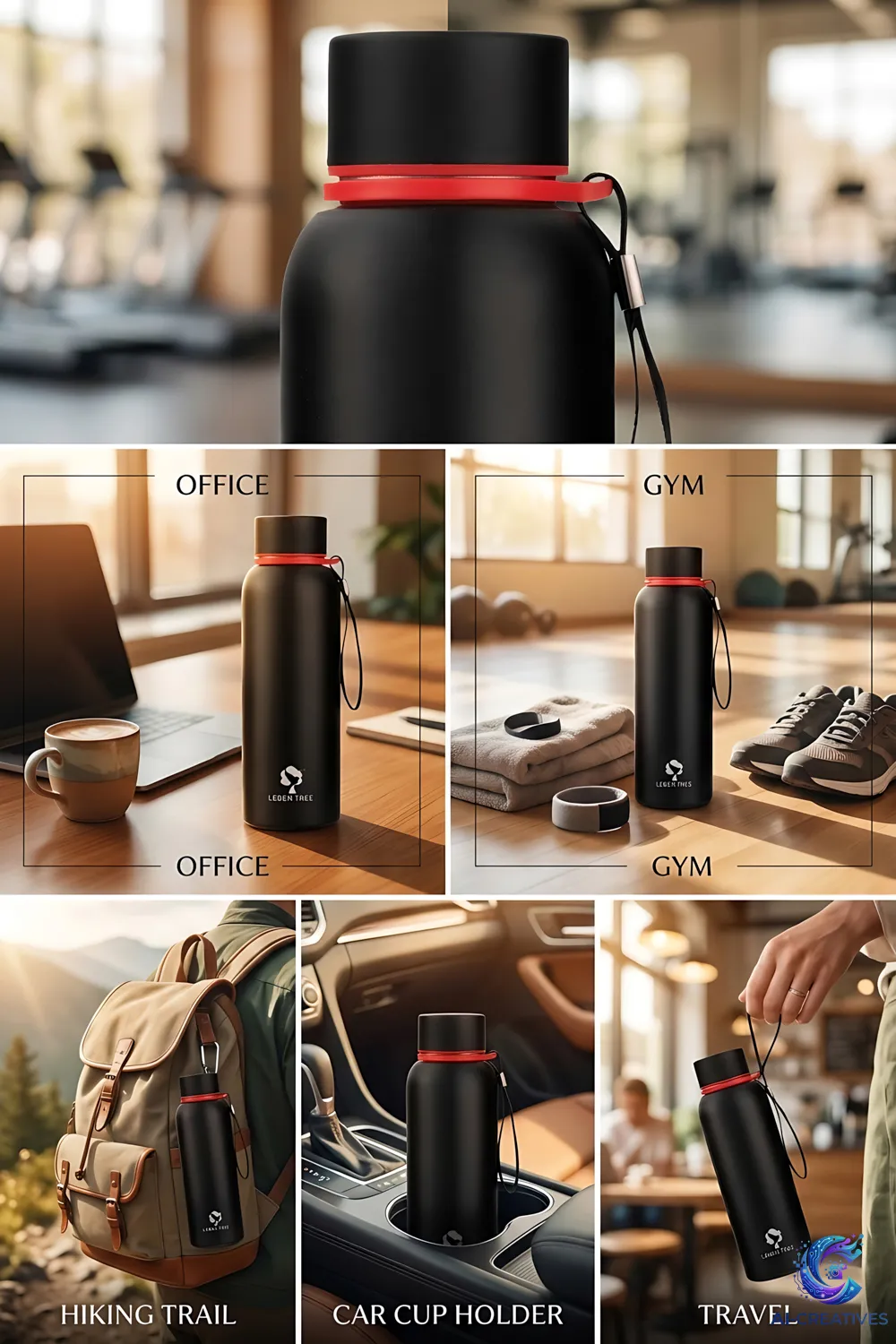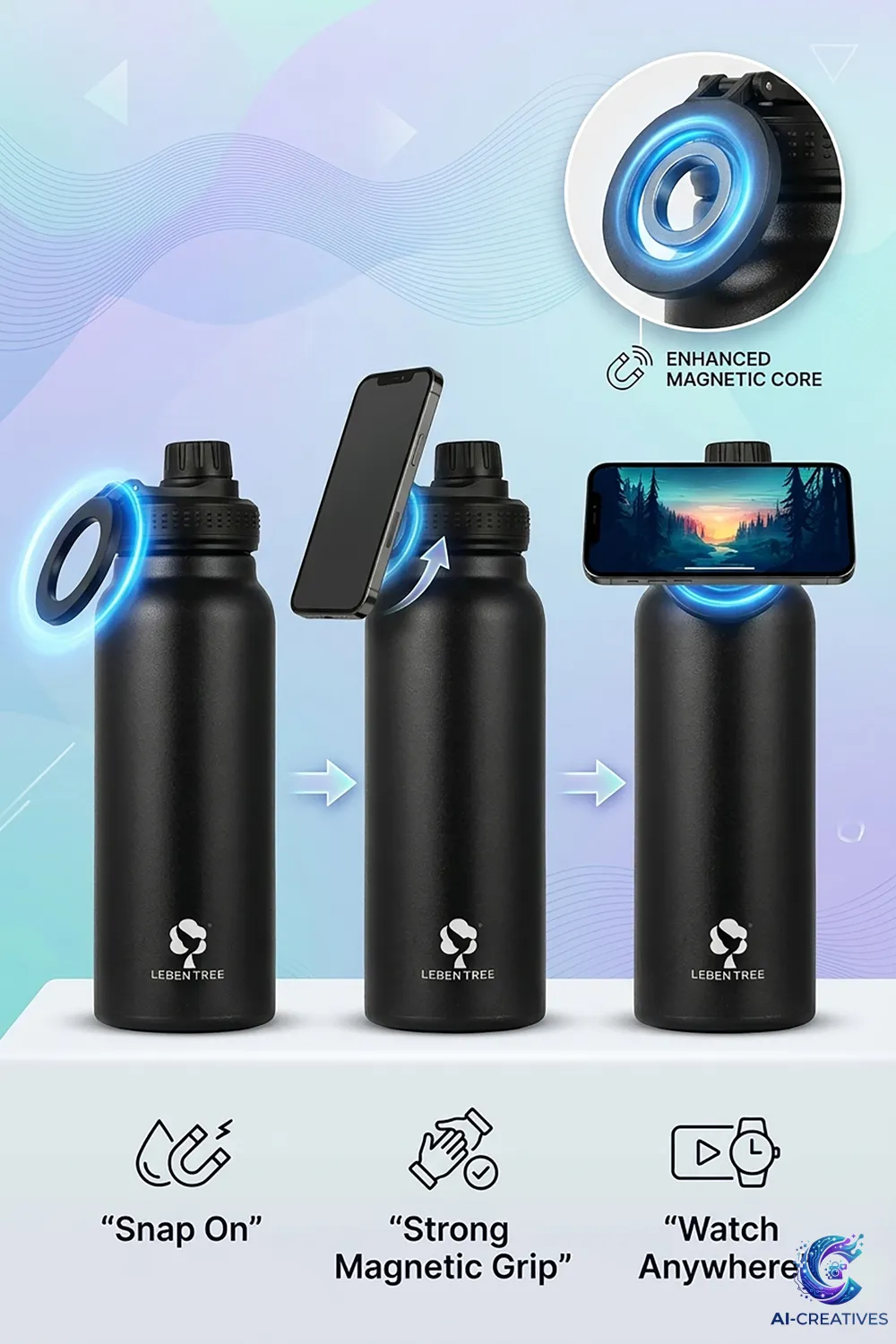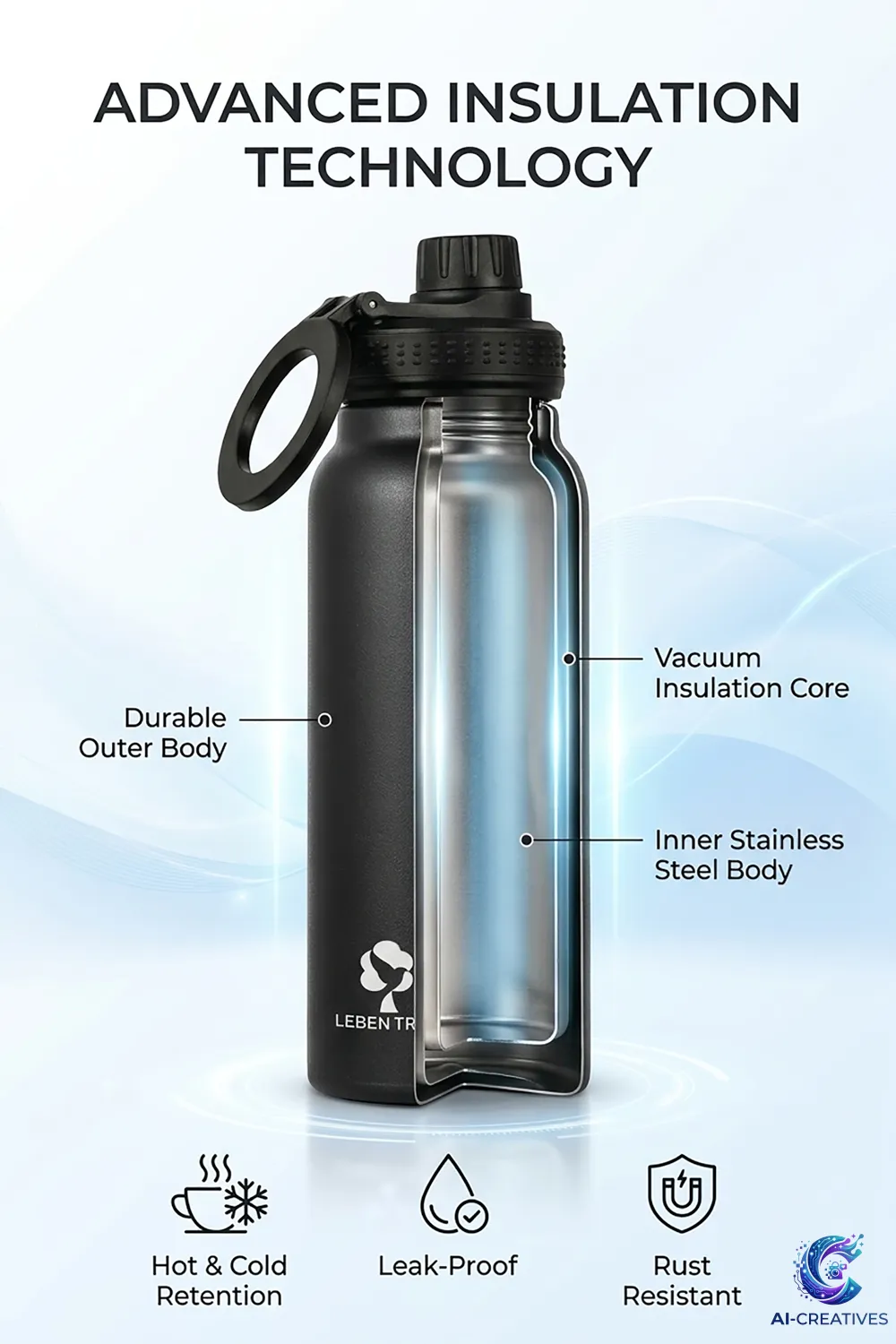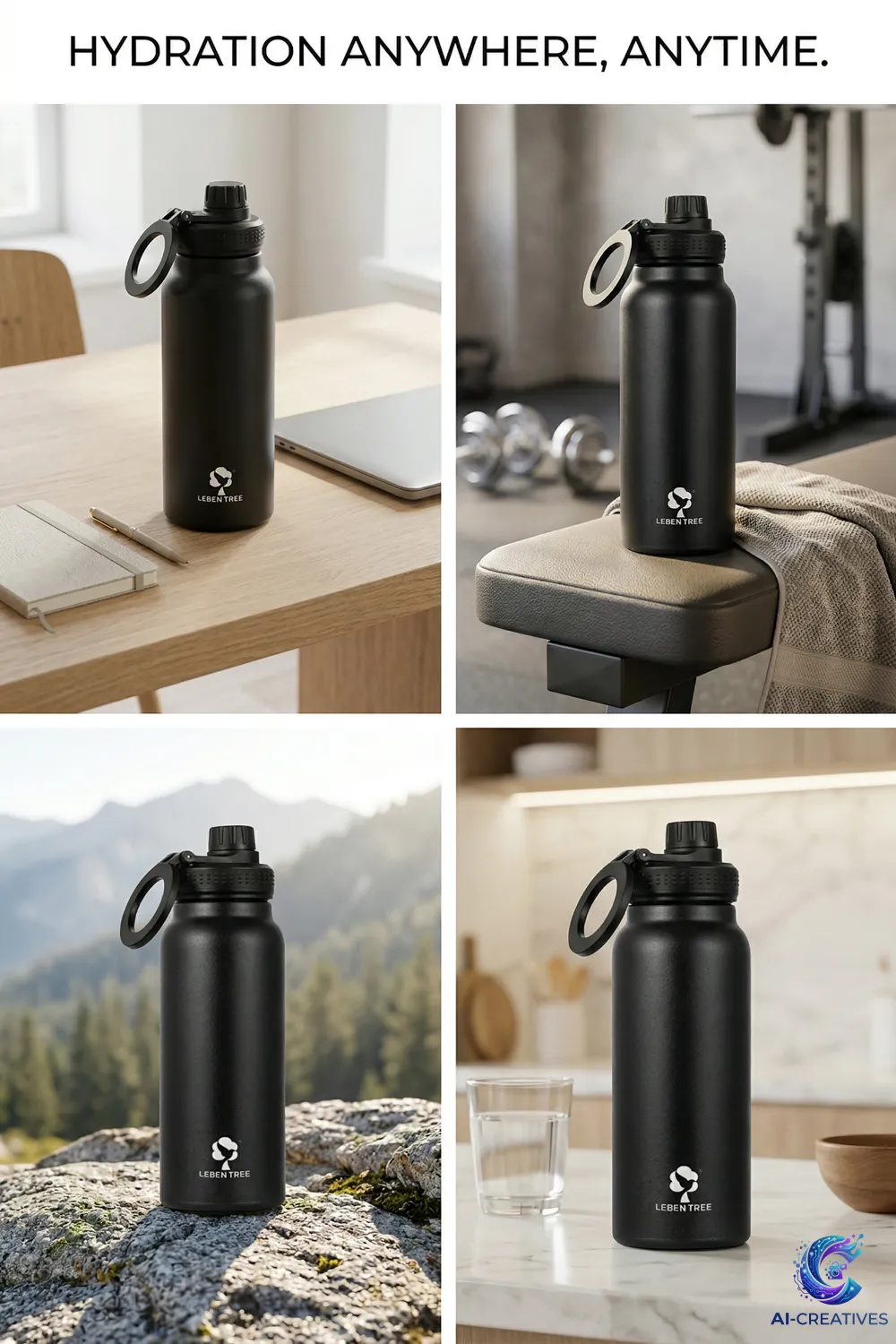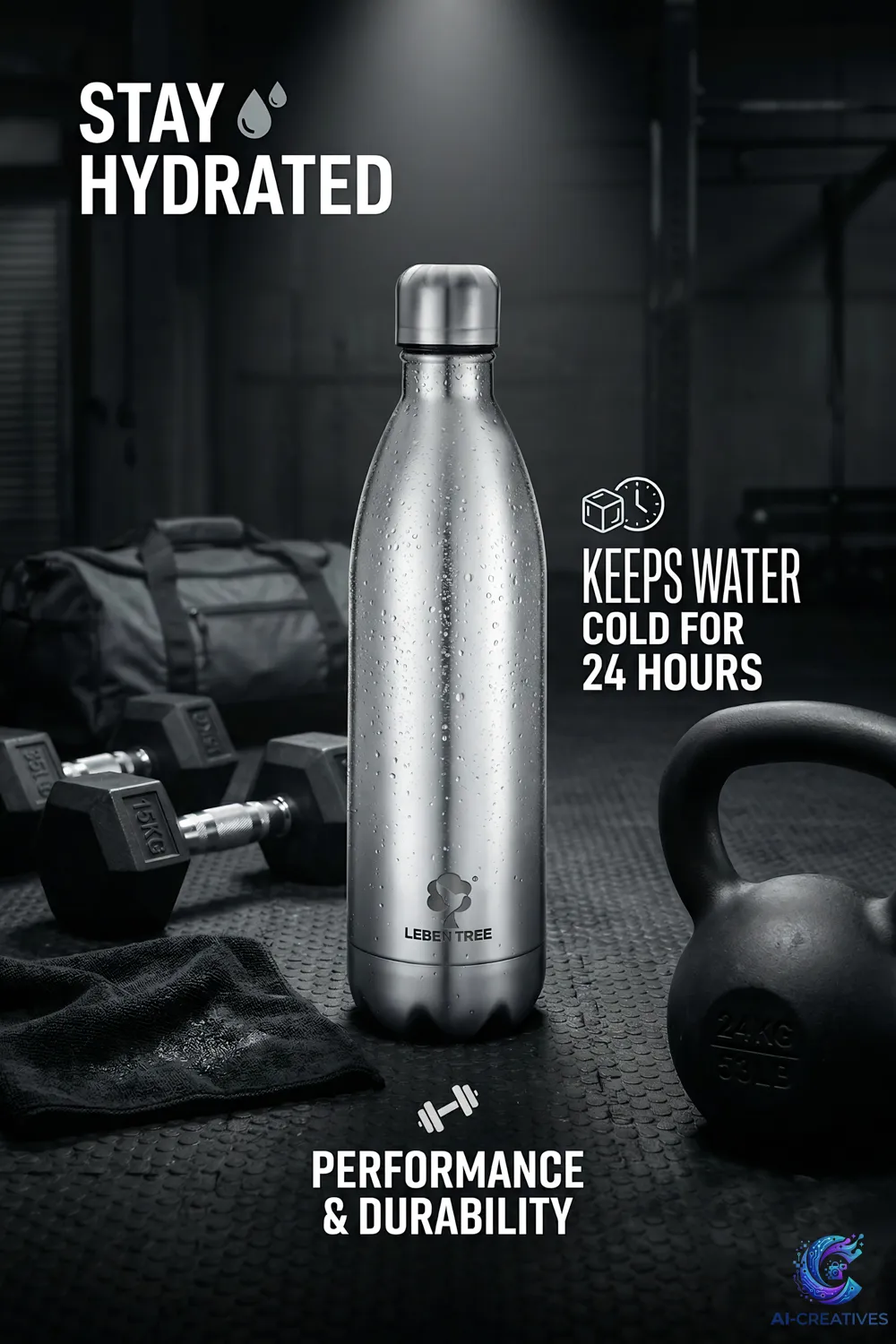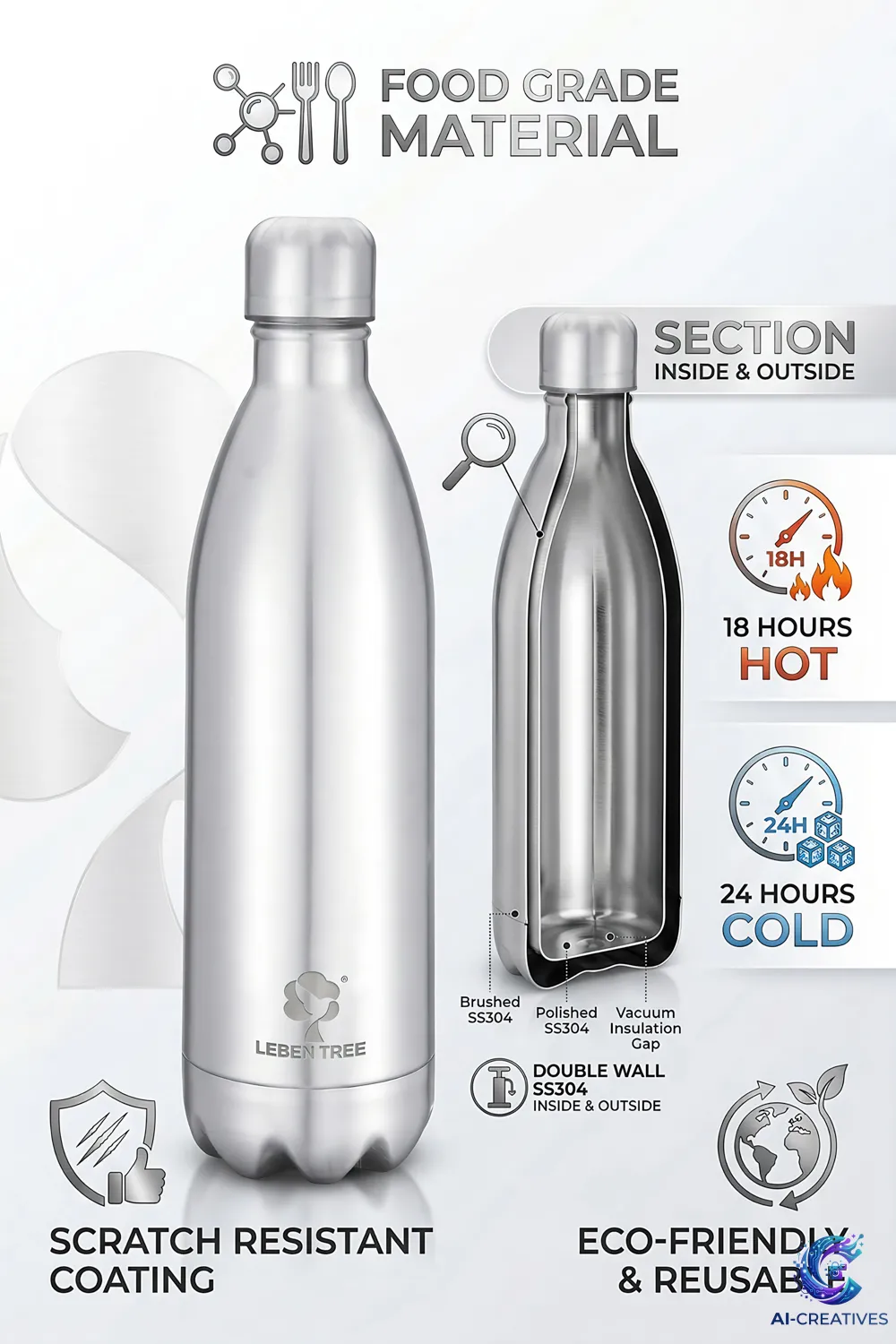
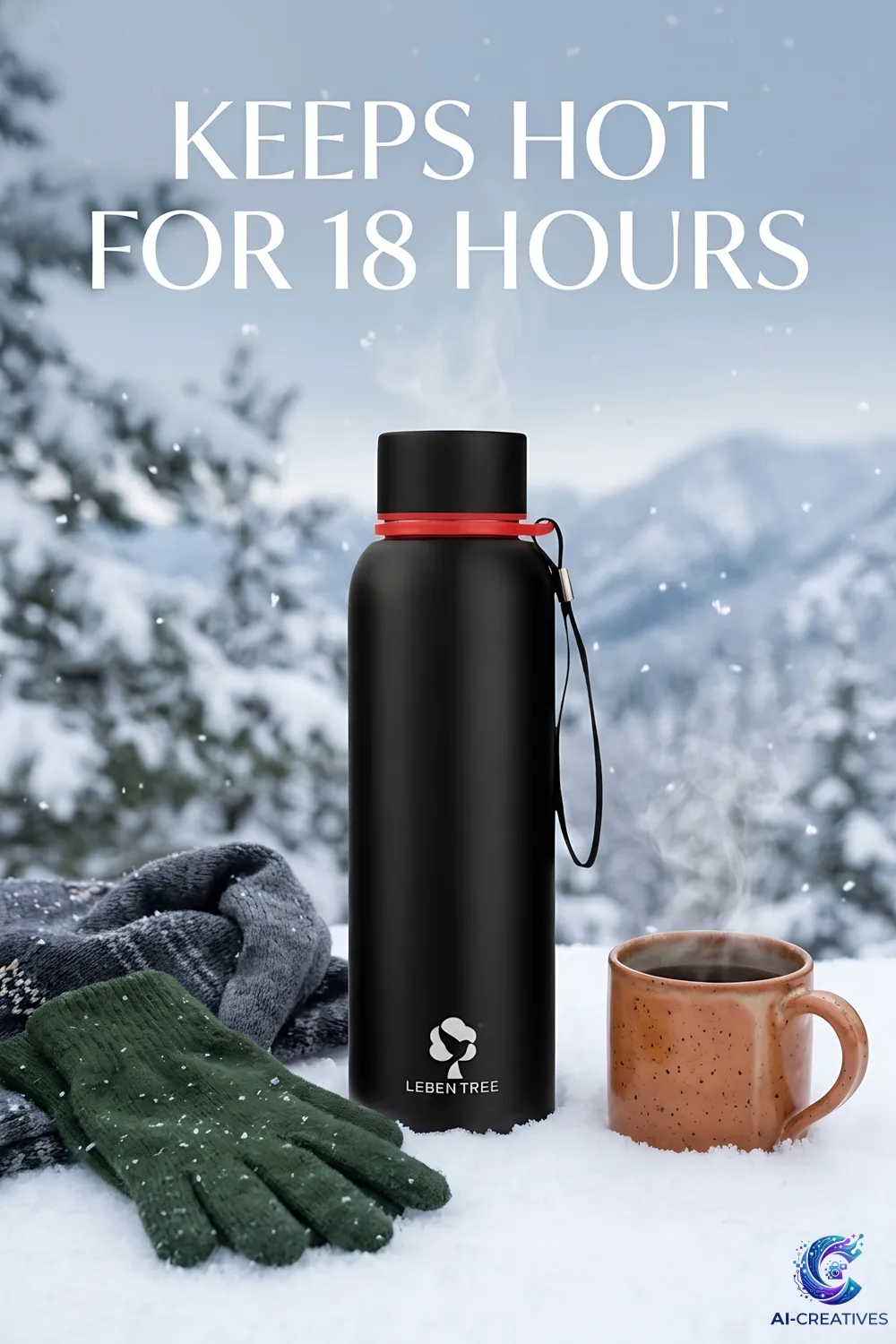
The phrase "AI-generated product photography" can describe several different workflows. A fully generated image may create both the product and its environment. Another workflow may photograph the real product and use AI only to generate the surrounding scene. These approaches have different accuracy considerations.
For commercial brands, defining the workflow clearly is useful because the final image should match the level of product fidelity required by its purpose.
Fully Generated Product Imagery
The product and environment are generated together. This can be useful for concept development but requires careful validation if the image represents a real item.
Real Product + AI Environment
A photographed product is preserved while AI creates or modifies the surrounding scene. This can offer a balance between physical accuracy and creative flexibility.
Real Photograph + AI Editing
AI can assist with background removal, extensions, cleanup or selected edits while the core product remains photographed.
Compositing Workflows
A photographed product can be combined with generated or photographed environmental elements.
Accuracy Requirements
The more an image is used as a factual representation of the product, the more important detailed review becomes.
Commercial Approval
Brands should establish who approves product accuracy, brand assets, claims and final usage.
Best Use Cases
AI-generated visuals can be particularly useful for concept exploration, campaign ideation, supporting lifestyle imagery and creative experimentation.
Risk Management
Keep original assets, maintain clear approval processes and avoid presenting invented features as real product characteristics.
Practical checklist
Before publishing or using the information from this guide, a brand should confirm the product reference, intended platform, required image dimensions, brand guidelines, product claims and final quality-control process.