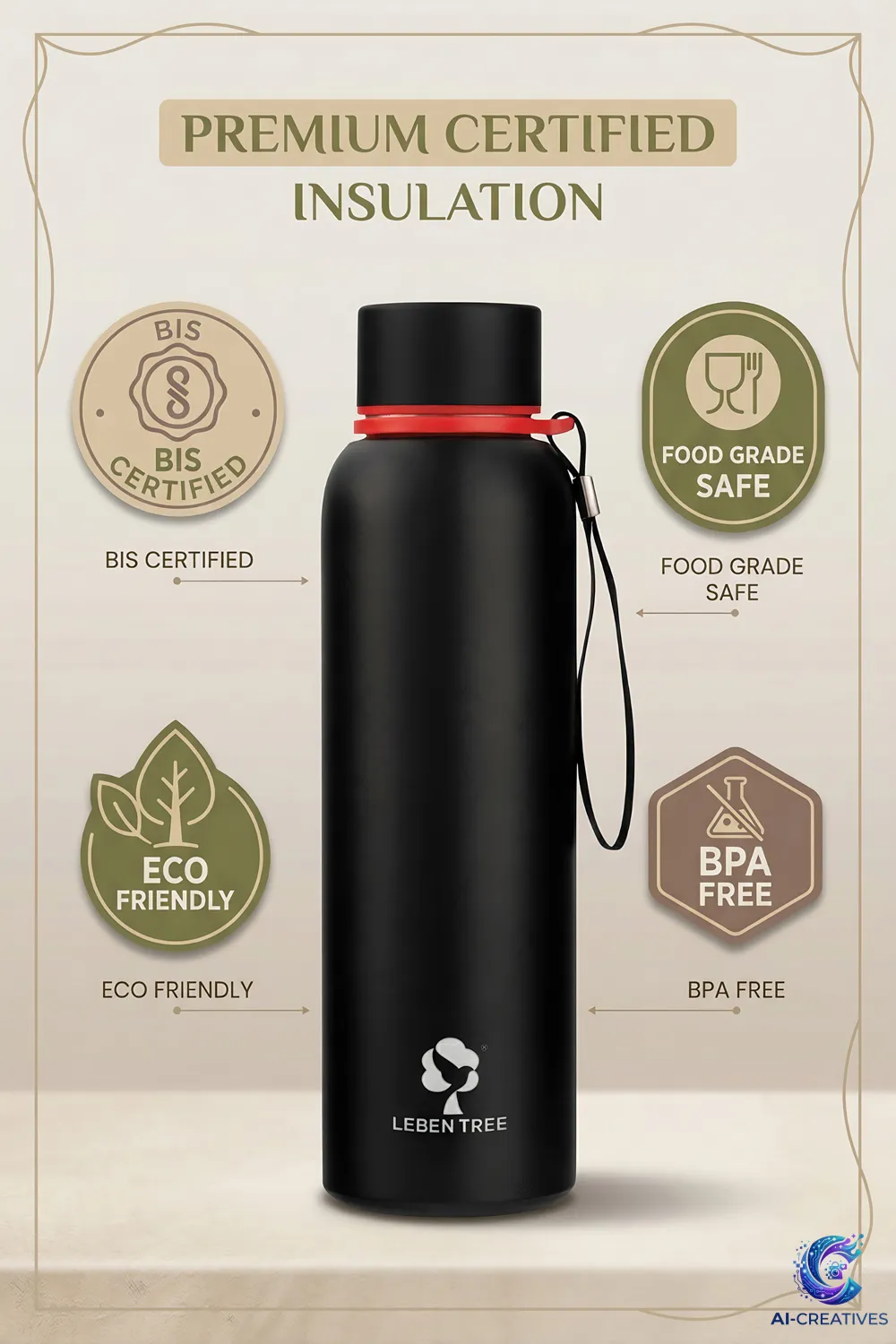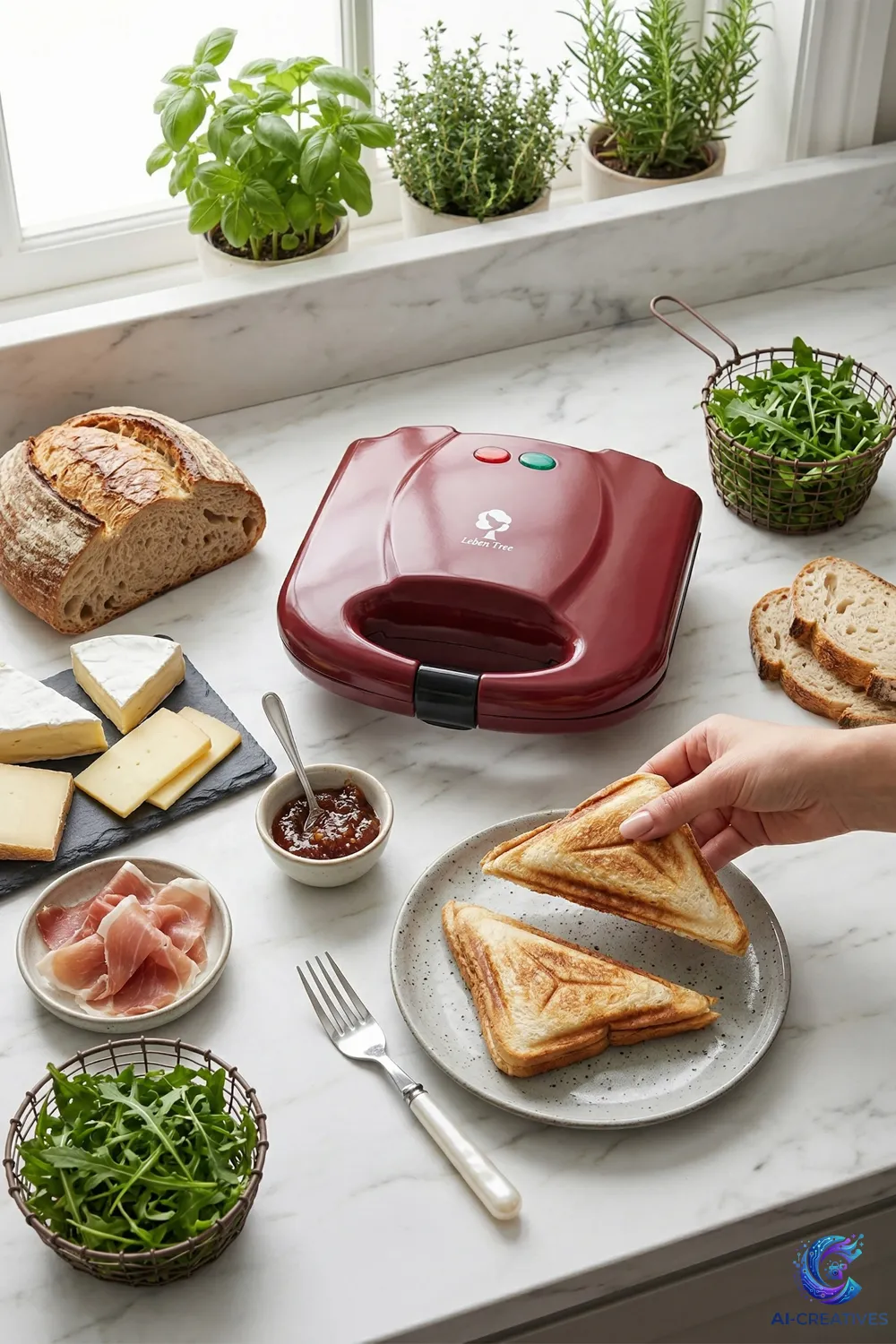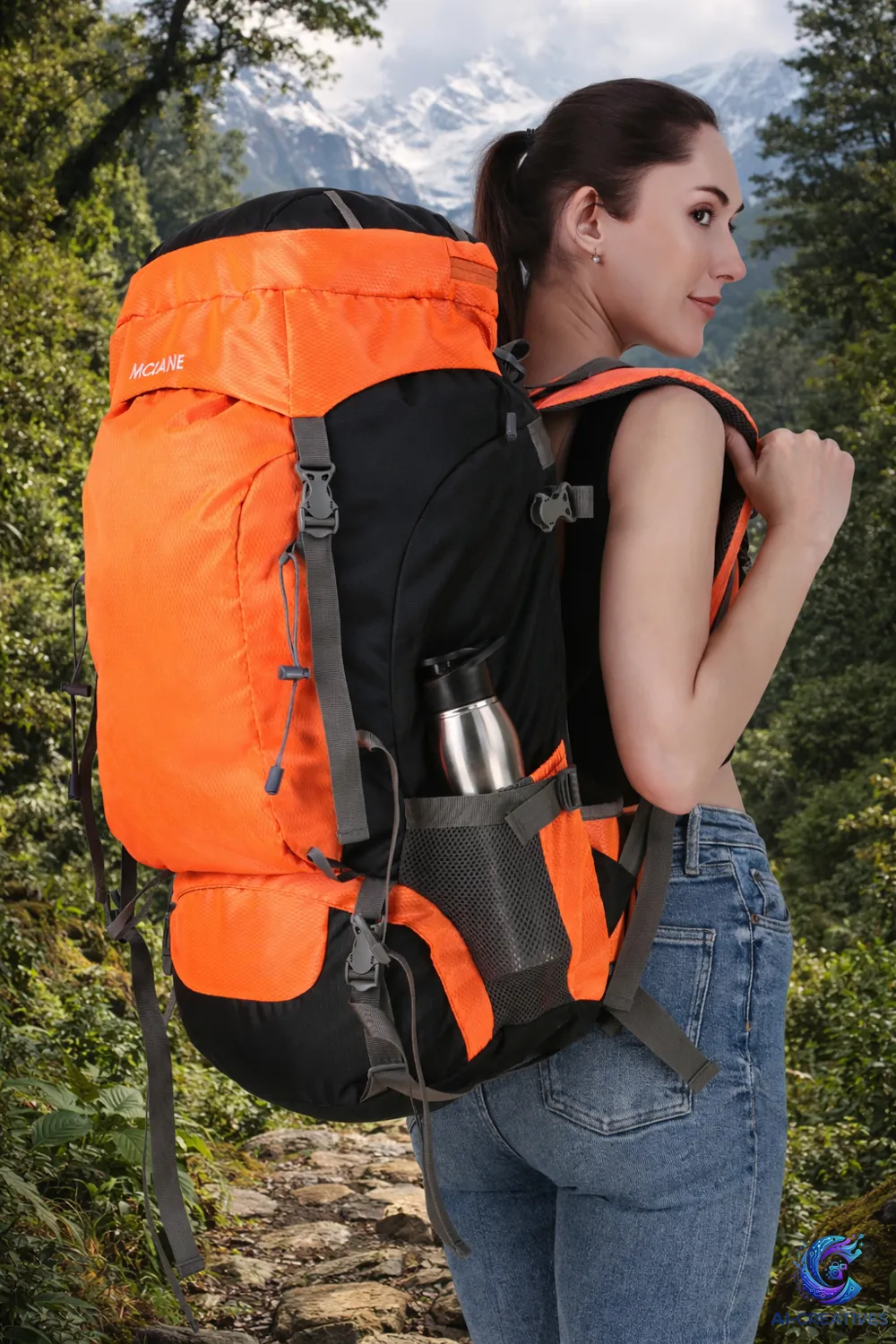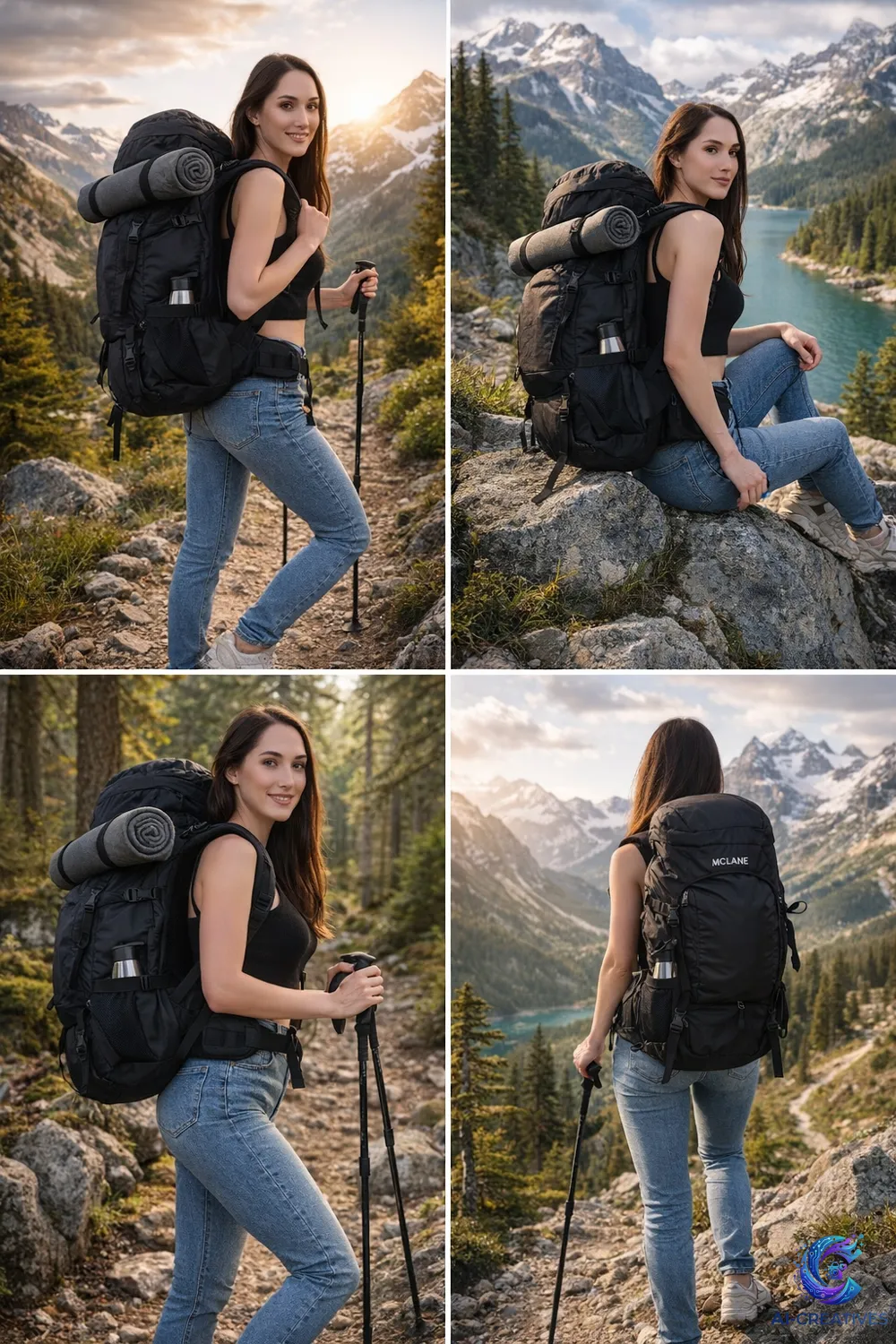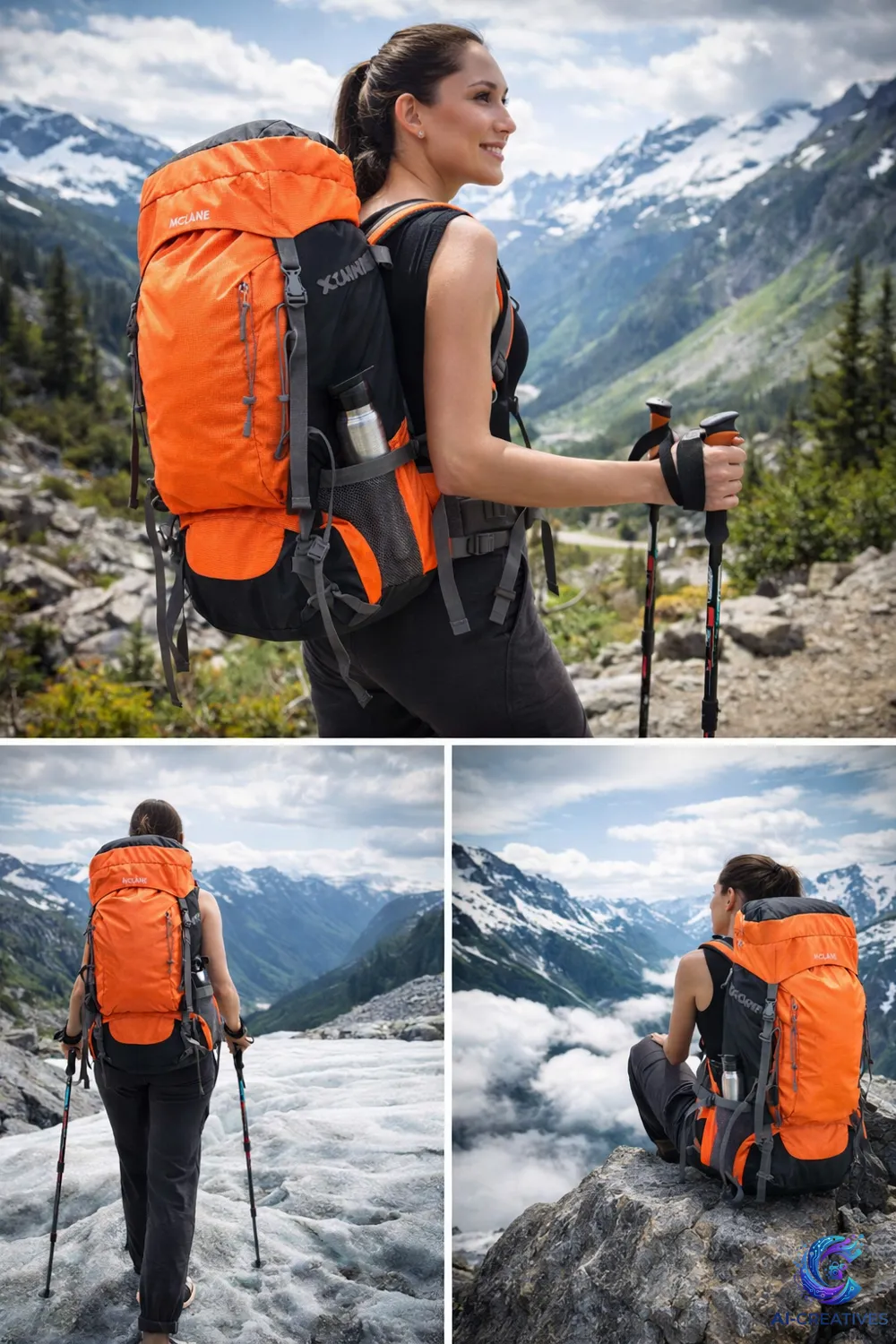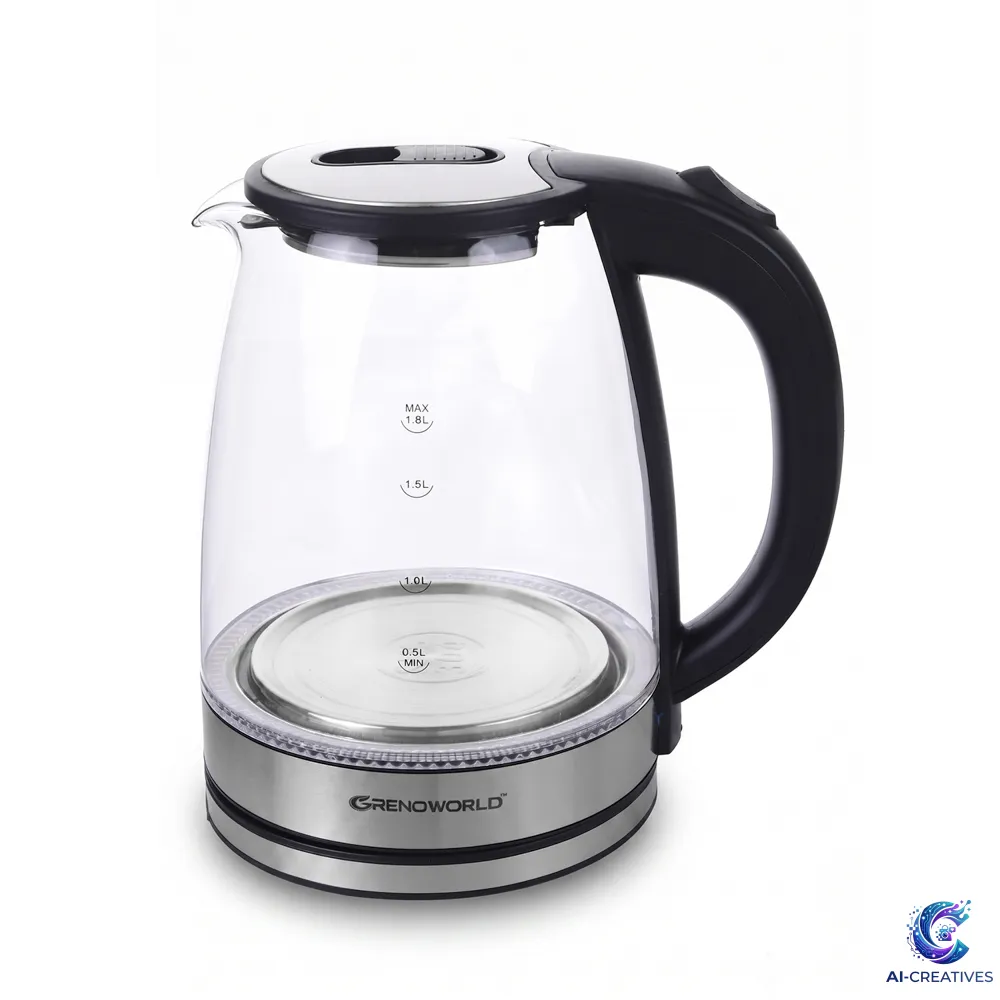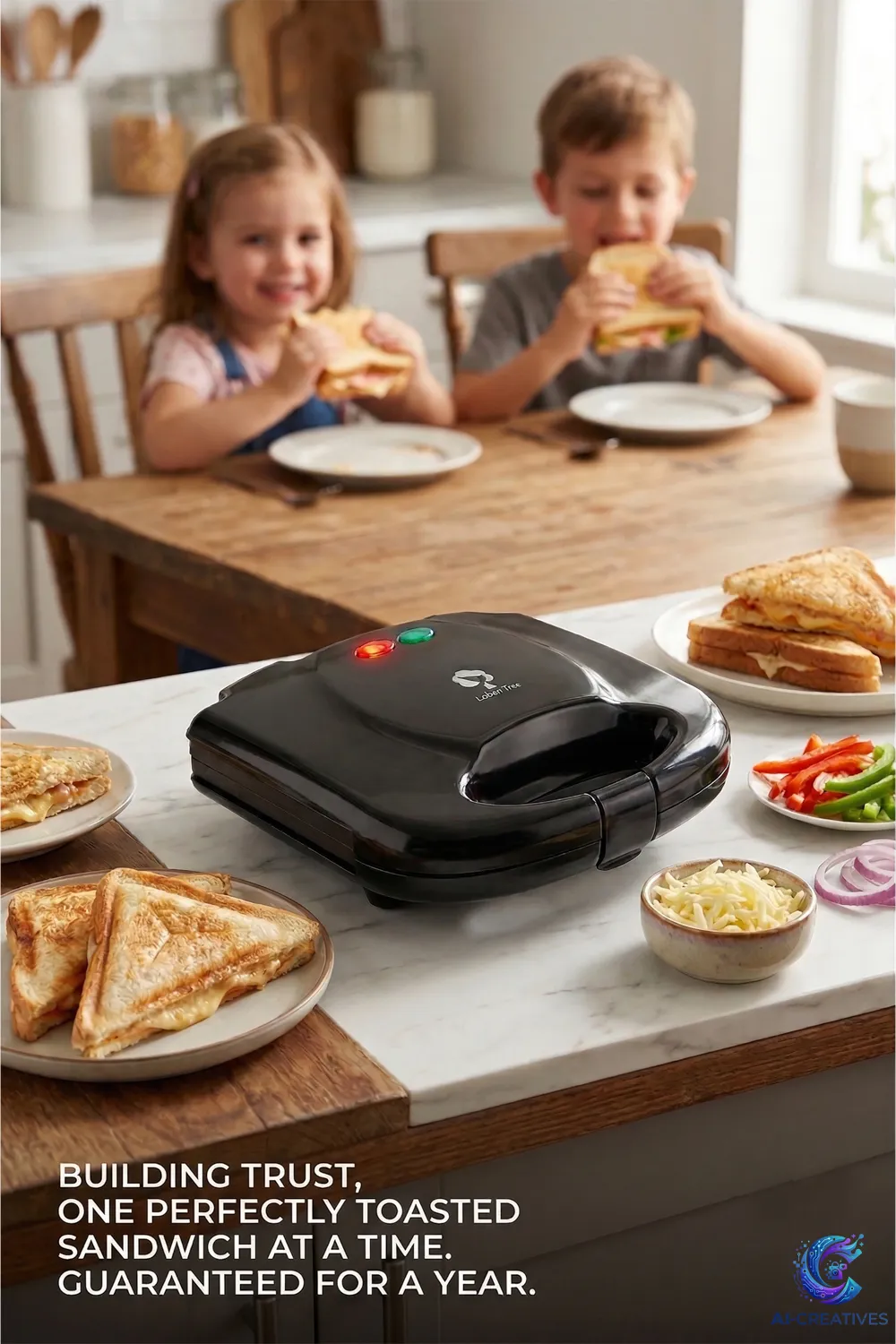

Lifestyle product imagery places an item in a context instead of showing it alone. The context can help customers understand scale, use, mood and the role of a product in everyday life.
AI can help create or extend these environments, particularly when a brand needs many creative directions. The scene still needs to respect the product's physical properties and the visual expectations of its audience.
Why Context Matters
A suitable environment can communicate use and audience faster than a product-only photograph.
Choose the Right Setting
The environment should reflect the product's use case and target customer.
Match Perspective
Camera height, lens perspective and product scale should be coherent.
Match Lighting
Direction, softness and color temperature should make the product feel part of the environment.
Use Props Carefully
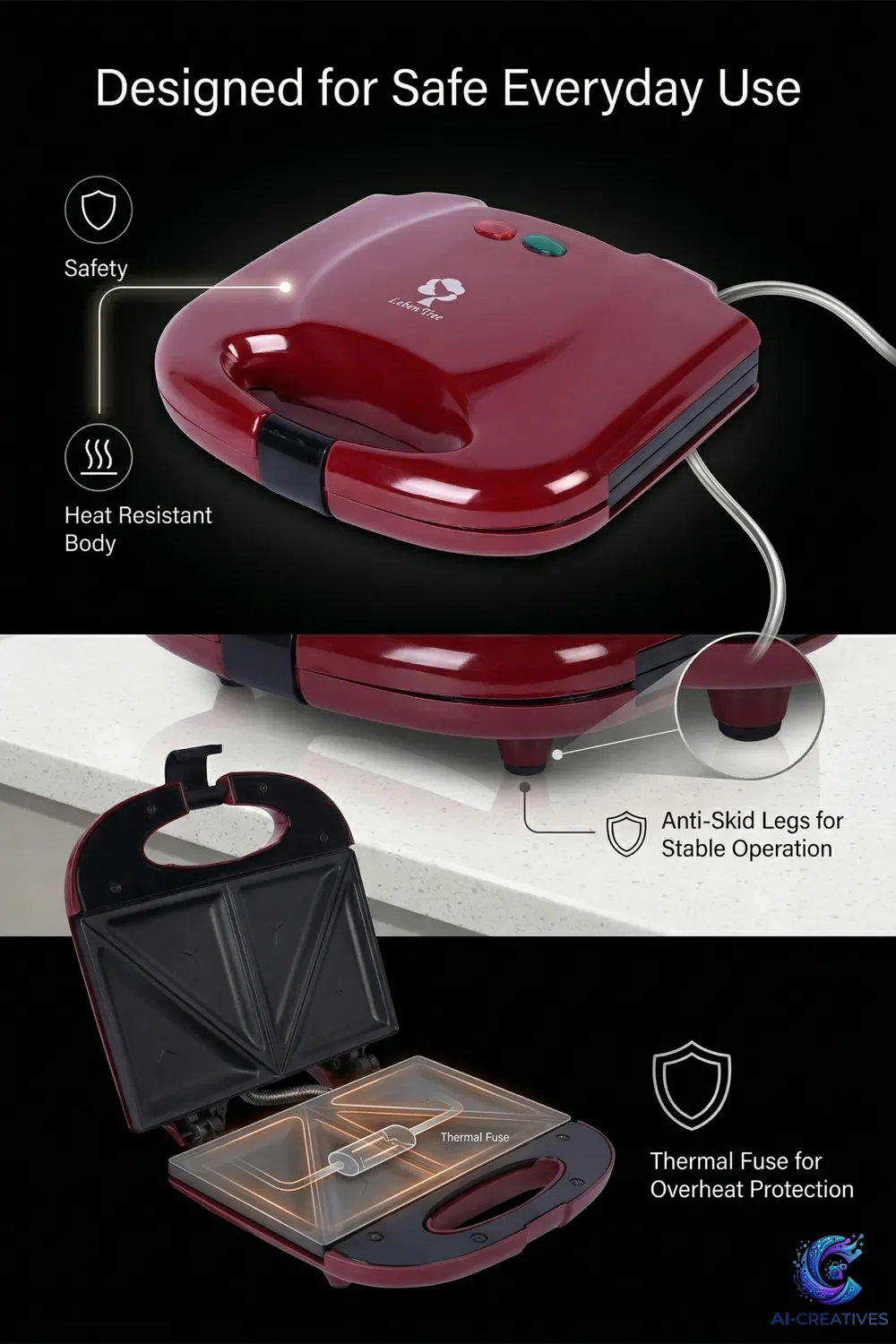
Props should support the story without distracting from the product or implying unsupported features.
Human Interaction
If people interact with the product, check hands, scale, grip and physical contact.
Brand Style
Create a repeatable visual language so different lifestyle images feel like one campaign.
Quality Review
Inspect the final image at full resolution and compare it with the real product.
Practical checklist
Before publishing or using the information from this guide, a brand should confirm the product reference, intended platform, required image dimensions, brand guidelines, product claims and final quality-control process.