
Scaling E-Commerce Baby Products: Merging Real Photography with AI Backdrops
How merging high-quality studio photography of baby rompers, feeding pillows, and banner layouts with generative AI solves the massive challenges of child model shoots.
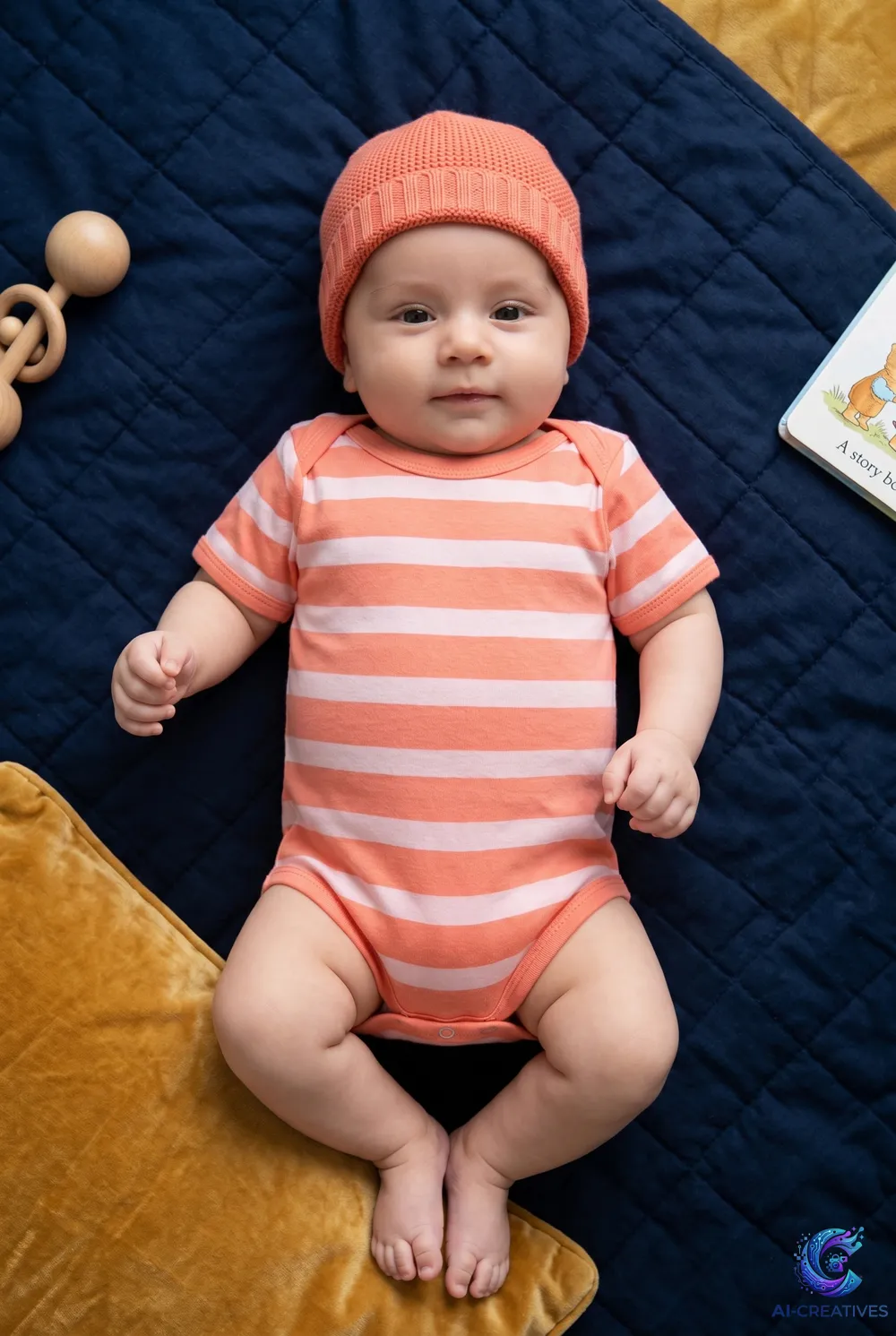
Marketing baby products online presents a unique paradox. Parents buy with their hearts, meaning they demand highly emotional, photorealistic, and lifestyle-oriented visuals to trust a brand. However, producing these lifestyle images is one of the most expensive and complex bottlenecks in e-commerce photography. From baby rompers to nursery feeding pillows, showcasing these items in context requires child models, outdoor locations, and perfect lighting—variables that are notoriously difficult to control.
At our studio, we resolved this conflict by developing a hybrid workflow. By combining high-resolution physical product photography with advanced generative AI, we create premium marketing visual assets without the high costs, delays, and scheduling headaches of traditional catalog shoots. Here is an in-depth breakdown of how we achieved this for baby apparel, feeding pillows, and promotional banner layouts.
The Immense Challenges of Traditional Baby Photography
Any photographer who has worked with children will tell you that kids do not follow direction. Booking baby models comes with severe hurdles:
- Availability & Child Labor Regulations: Finding baby models through agencies is extremely time-consuming. Legal guidelines strictly limit the number of hours an infant can spend under hot studio lights.
- High Production Costs: If you only have a small batch of products (e.g., 3-5 romper SKUs), booking an entire agency model shoot, a baby wrangler, and specialized styling assistants makes the cost-per-product astronomically high and financially unviable.
- Location Fees and Unpredictable Weather: Shooting a warm, sunny backyard scene or a premium sun-drenched nursery room requires renting expensive indoor studios or shooting outdoors. Outdoor shoots are at the mercy of unpredictable weather, sudden cloud cover, rain, and shifting light temperatures, which ruin catalog consistency.
Why Real Photography is the Essential Starting Point
With the rise of AI tools, some brands attempt to generate product imagery completely from scratch using text prompts. This is a critical mistake for e-commerce. A purely AI-generated image cannot guarantee the exact physical dimensions, seam lines, logo placements, or fabric textures of the actual product you sell.
To preserve absolute brand integrity, we always choose to integrate real photography. We place the physical baby romper, feeding pillow, or banner layout under controlled studio lighting and capture it at ultra-high resolution. We capture every detail: the soft cotton ribbing of the romper, the exact print pattern on the feeding pillow, and the true color shades of the fabric. This real product photo serves as the solid mathematical anchor for the generative process.
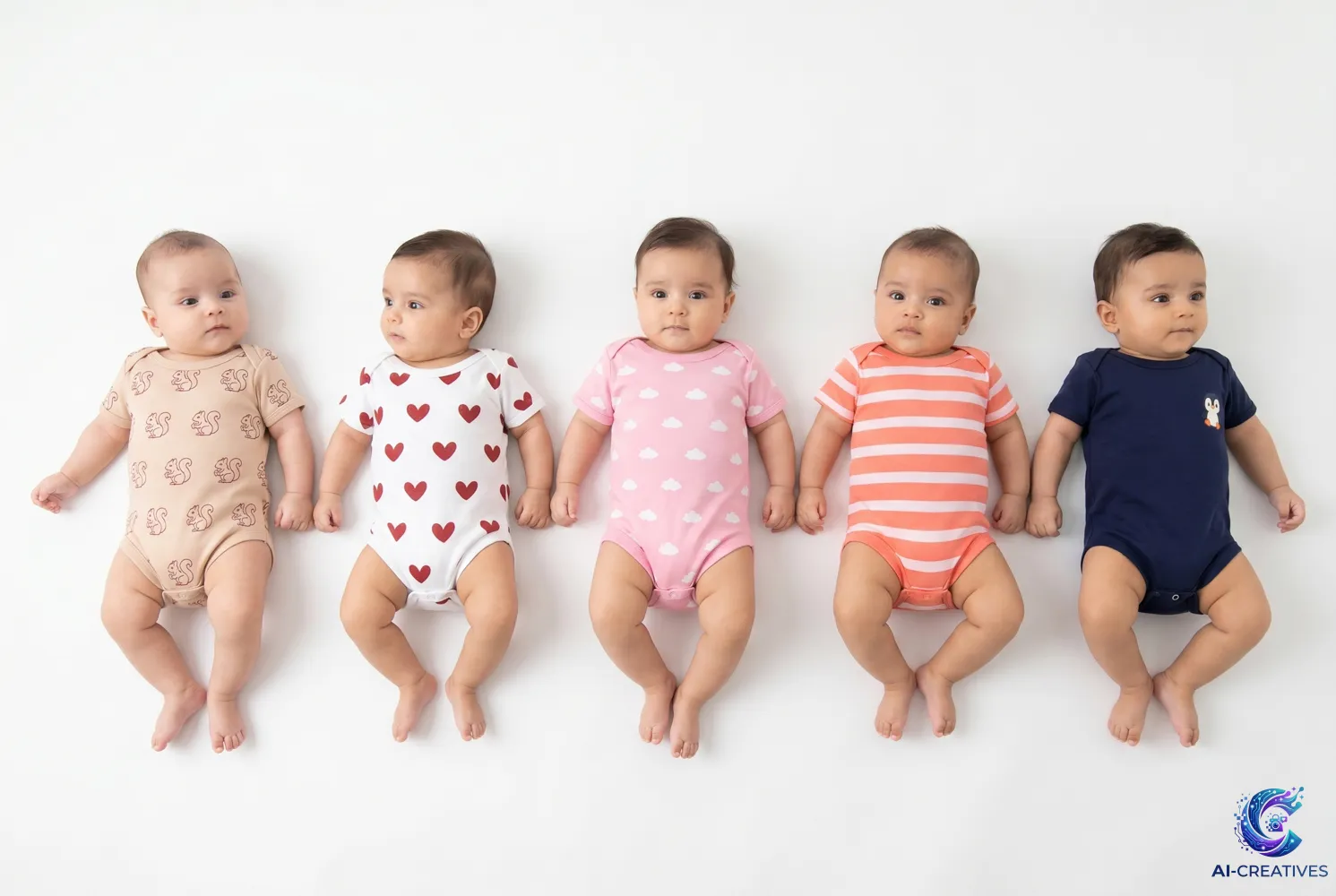
How High-Quality Input Drives Better AI Results
Generative AI tools rely heavily on the input data they are fed. If you provide a blurry, low-resolution, or poorly lit photo of a product, the AI model will misinterpret the borders, distort the textures, or warp the branding labels.
By capturing the initial product using professional macro lenses and color-calibrated strobe lights, we feed the AI model a clean, noise-free input. This ensures that when the AI tool processes the image—whether it's rendering a soft nursery background, placing a virtual model into the scene, or adapting the lighting to look like golden hour—the product itself remains perfectly sharp, recognizable, and realistic. The fabric folds hang naturally, the tags are legible, and the stitching is crisp.
The Blended Workflow: Creating the Final Asset
Once the real product photography is locked, our creative team uses AI models to construct the lifestyle context. For example, with a baby feeding pillow, we place the high-res product photo into the system and instruct the AI to generate a cozy, high-end neutral bedroom backdrop with soft, diffused morning light coming through a window. The AI seamlessly blends the product into the generated scene, matching the shadows, reflections, and color grading perfectly.
For rompers and clothing banners, we can generate a photorealistic child model wearing the garment, maintaining the clothing's true texture while placing the child in a beautifully styled setting that would otherwise cost thousands of dollars to rent. The final result is a premium, high-conversion visual asset that builds parent trust while keeping catalog production fast and cost-effective.
Related Campaign Gallery
Click on any image to view details in the lightbox overlay.
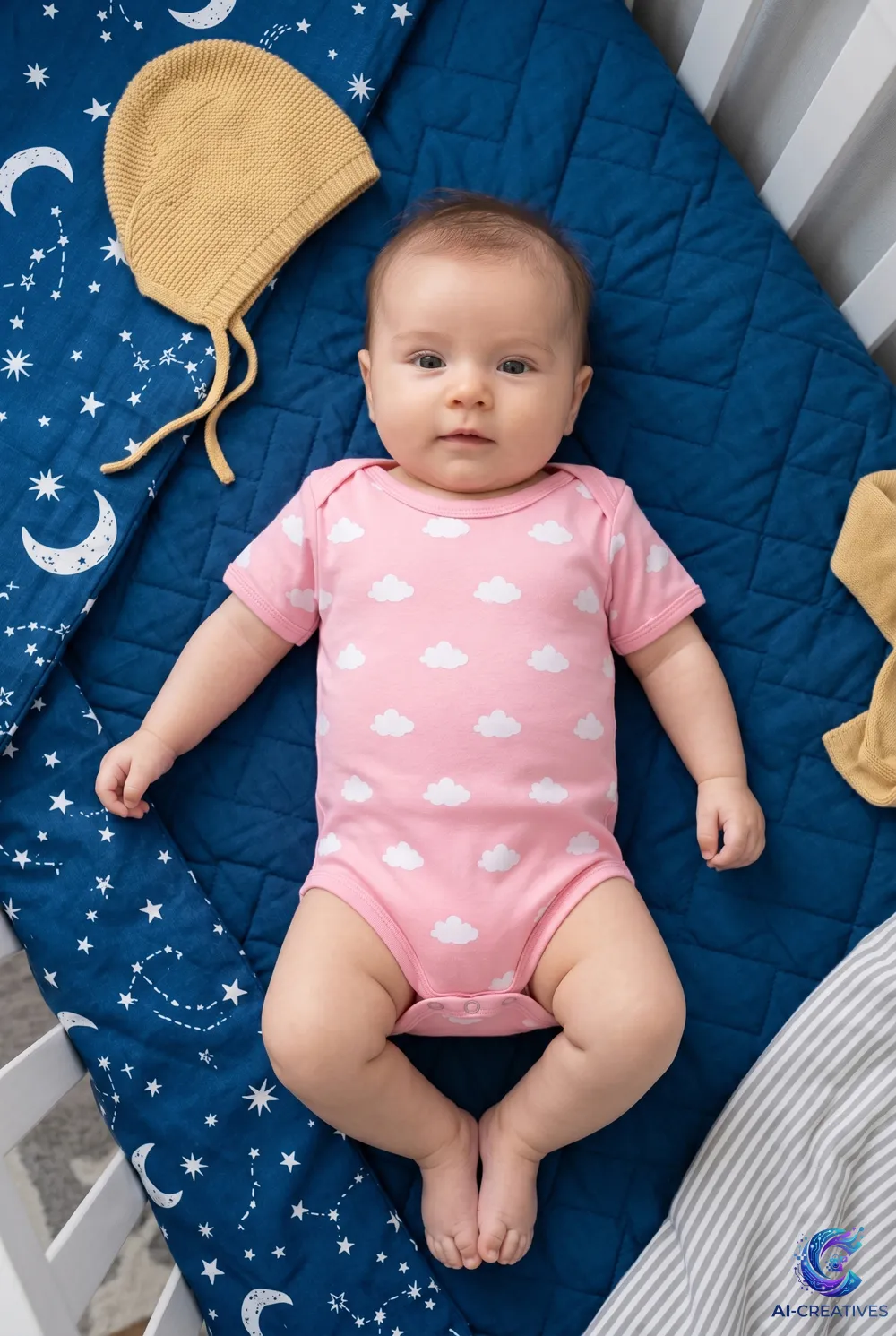
Infant Apparel 4
Cozy Neutral Bedroom Layout
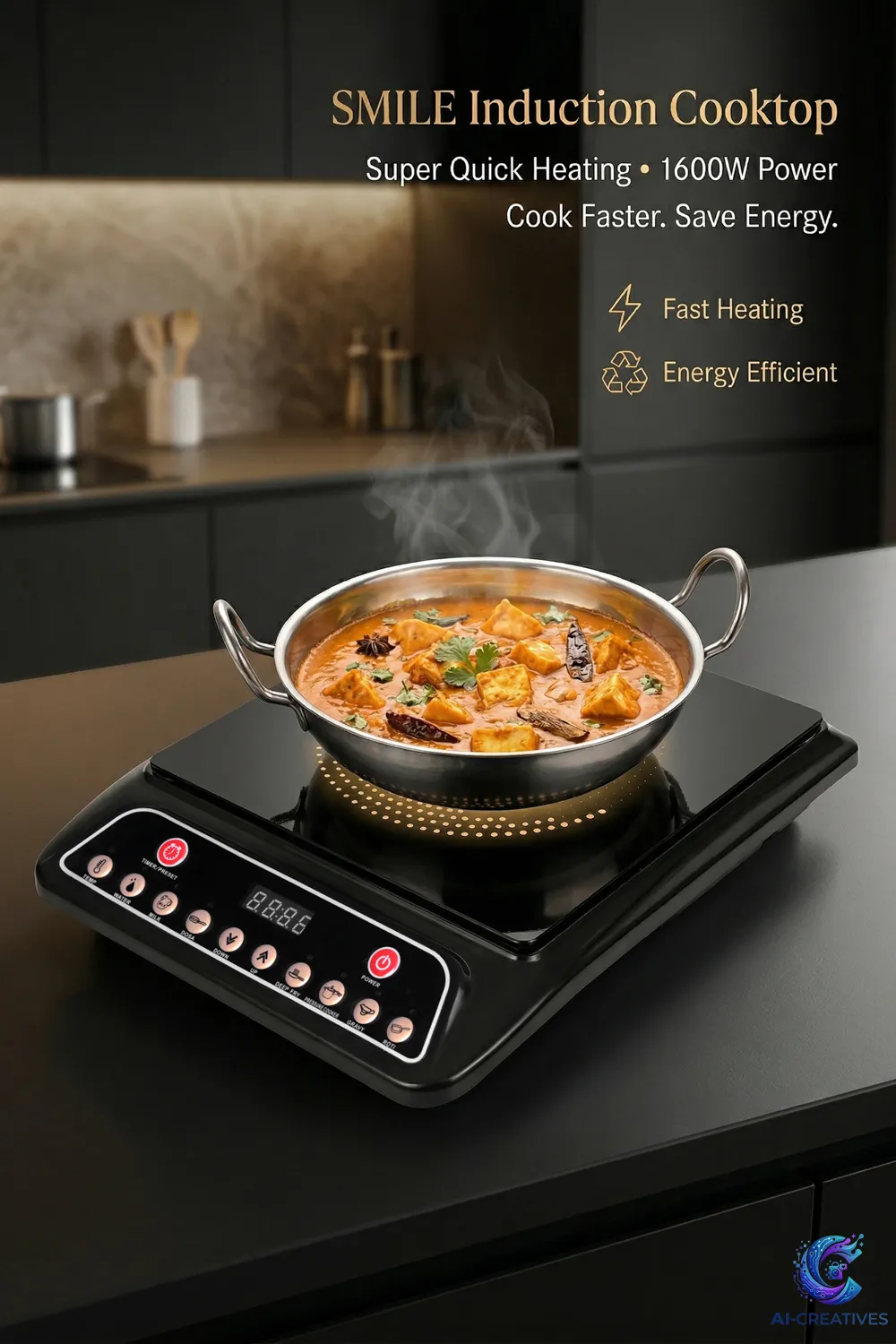
Infrared Cooktop 12
Modern Kitchen Setting
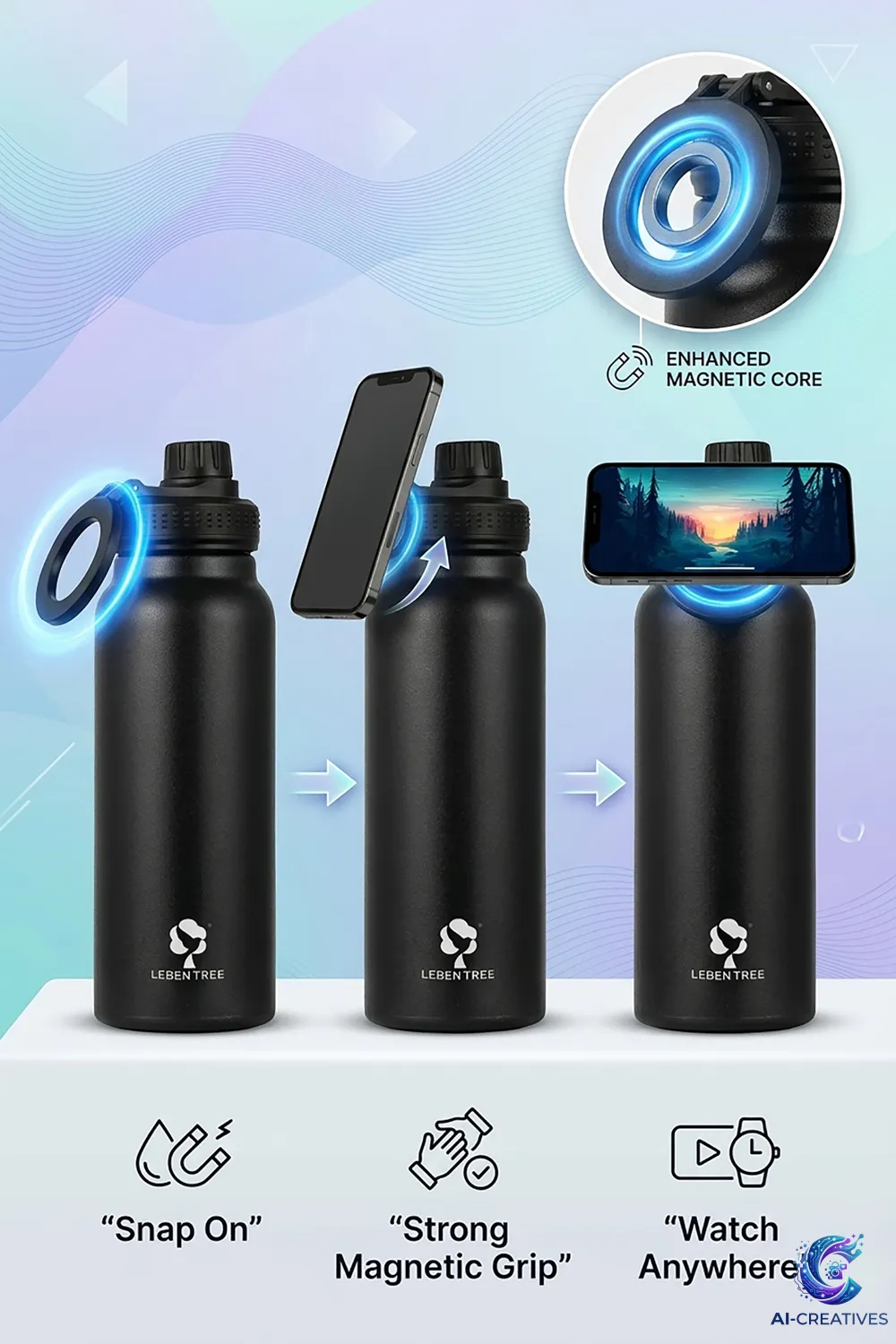
Designer Beverage Bottle 3
Studio Product Display
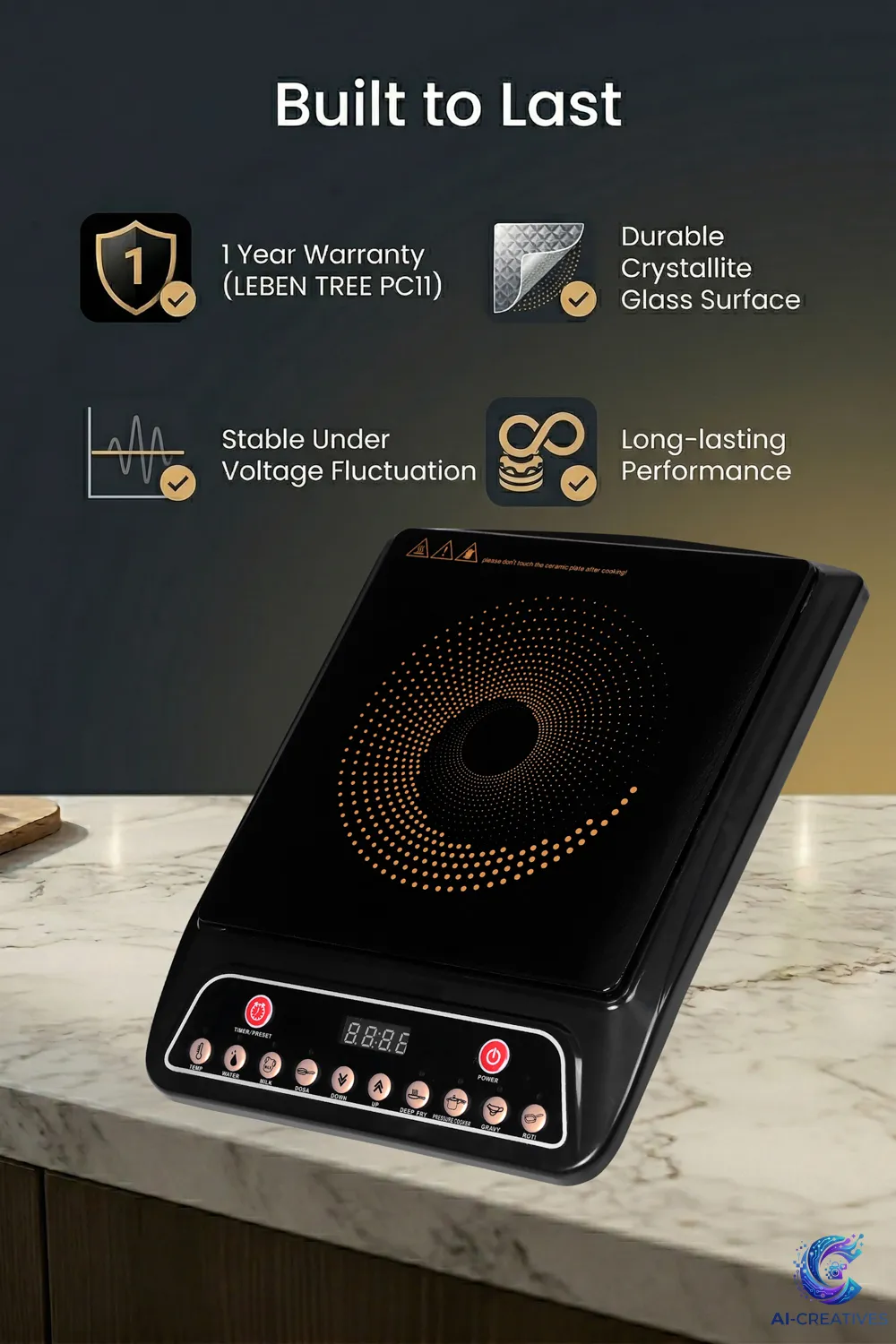
Infrared Cooktop 7
Modern Kitchen Setting
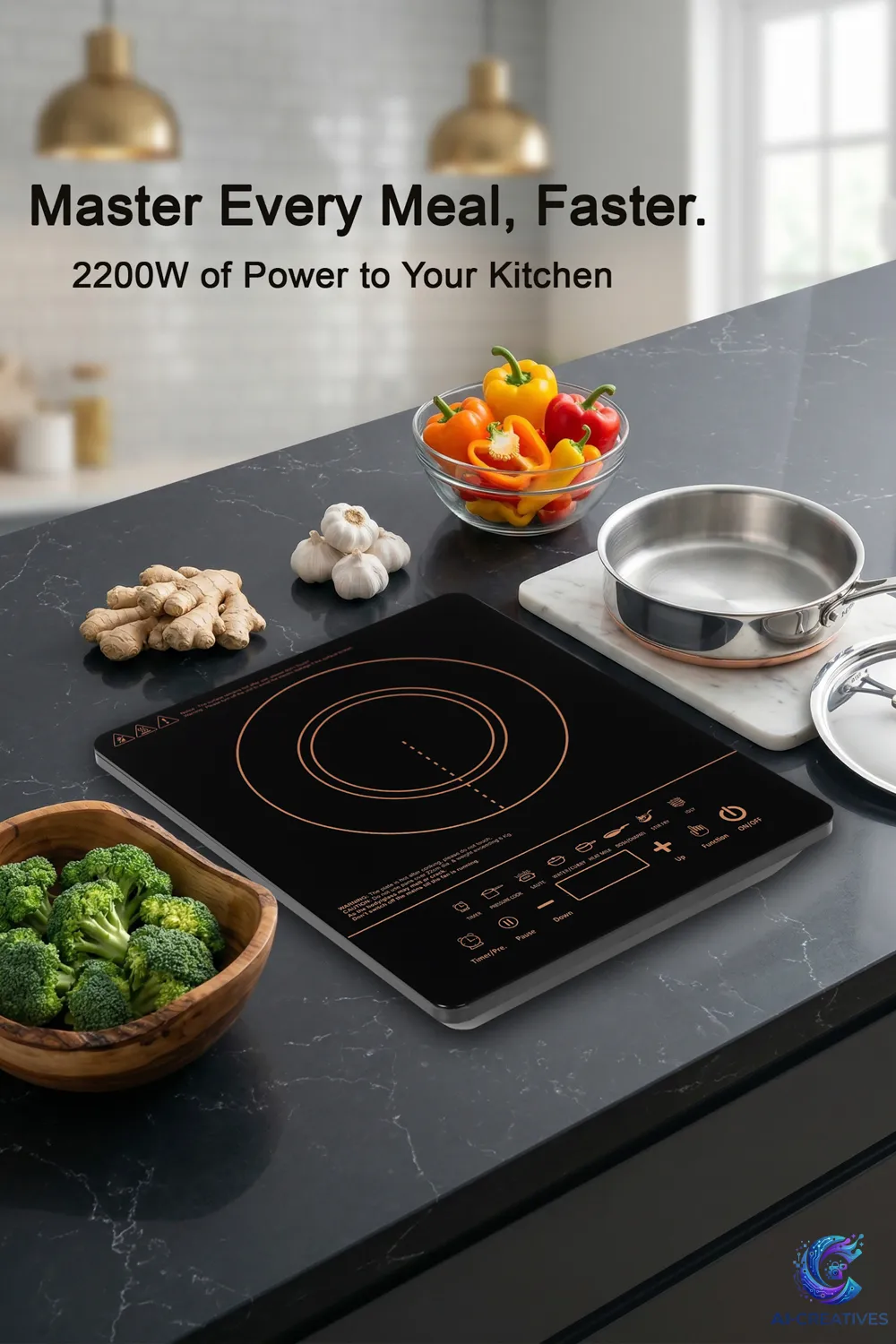
Infrared Cooktop 14
Modern Kitchen Setting
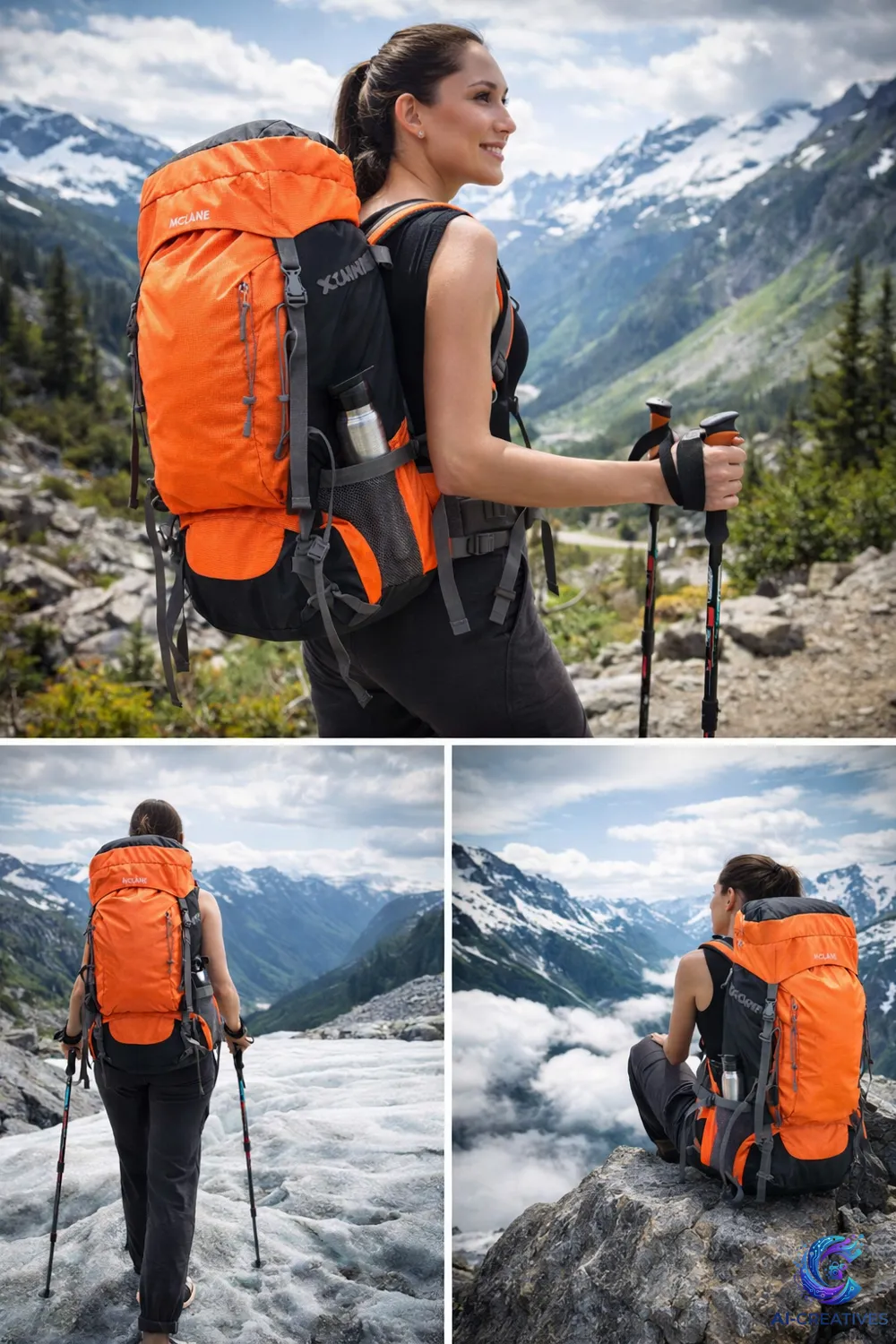
Adventure Backpack 7
Misty Mountain Peak Environment
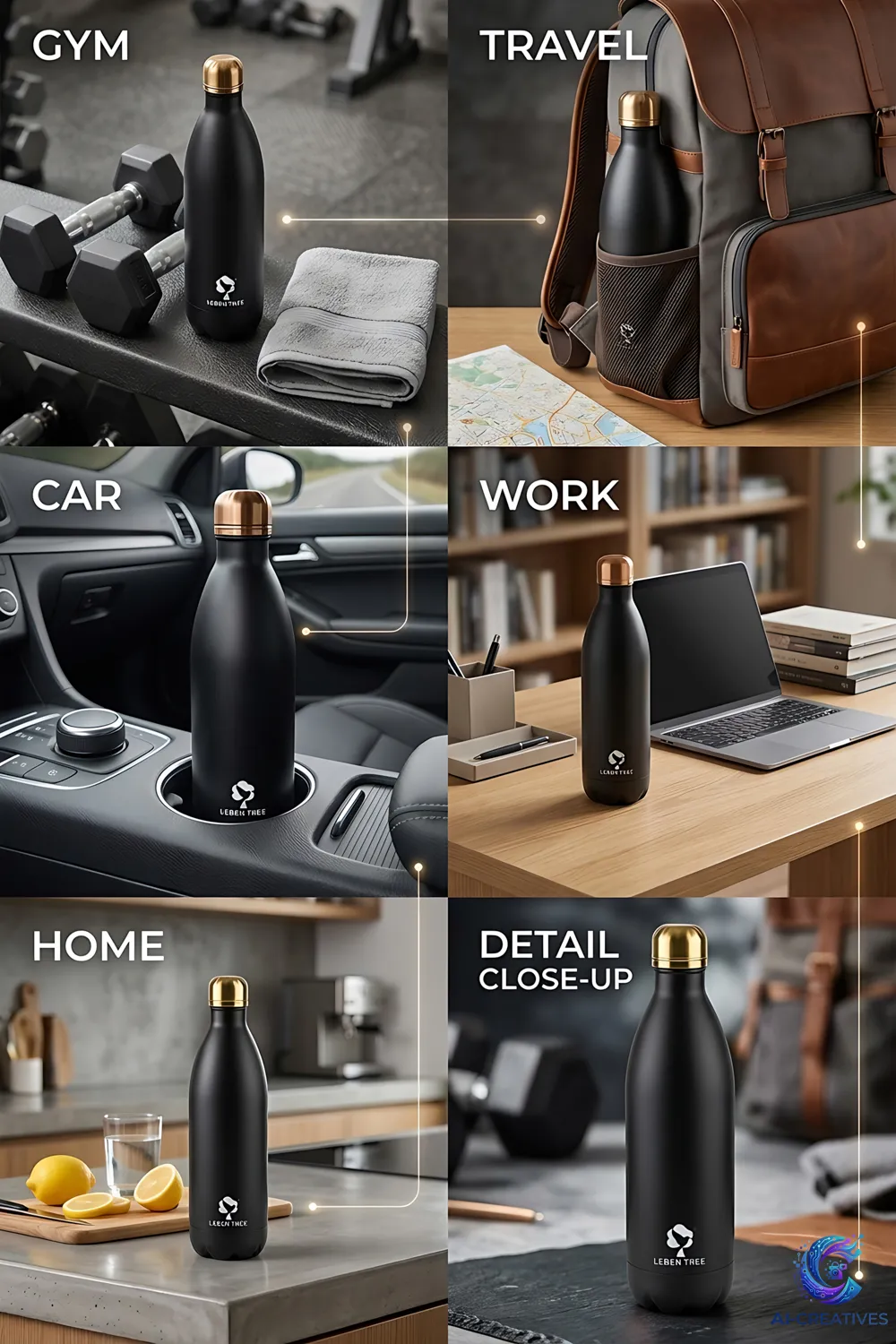
Designer Beverage Bottle 16
Studio Product Display

Fine Jewellery & Accs 1
Earthy Slate Pedestal Placement